SHAH ALAM, June 4 — As rising medical costs continue to pressure Malaysians seeking treatment, Selgate Corporation Sdn Bhd remains focused on its core mission of narrowing the affordability gap between public and private healthcare.
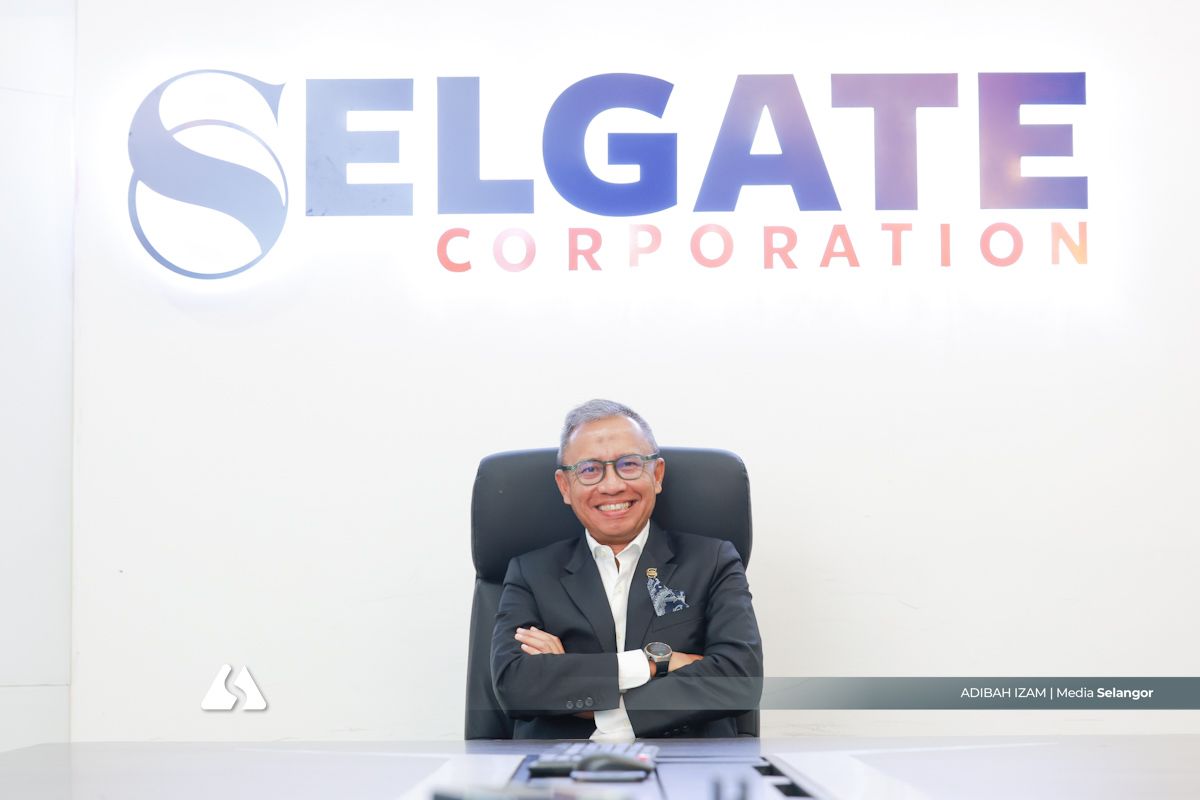
Its group chief executive officer Datuk Noor Hisham Mohd Ghouth said rising private hospital costs, insurance premiums, and accessibility challenges have widened the divide between patients relying on government hospitals and those able to afford private healthcare.
“Affordability is not simply about offering cheaper prices. It is about making quality healthcare realistically accessible to more people.
“That is the gap we are trying to close, the gap between those who depend on government hospitals and those who are able to access private hospitals,” he said in a recent interview with Media Selangor at Selgate’s headquarters in Section 14.
Hisham added that the rising cost of healthcare has become one of the biggest structural challenges facing the industry, especially as insurance premiums continue to increase.
“Today, the issue surrounding both public and private hospitals is ultimately about cost. To seek treatment at private hospitals, people usually need insurance coverage, premiums continue to rise, and many people simply cannot afford them,” he said.
Hisham emphasised that Selgate’s objective is not to compete aggressively on pricing, but to improve accessibility while maintaining healthcare quality.
Overcrowding in government hospitals has further highlighted the need for more accessible alternatives within the healthcare system.

“At the end of the day, we want more people, especially Selangor residents, to be able to access private healthcare services without compromising on quality.
“It is not that government hospitals are not good. In fact, many are very good, but they are overcrowded,” he said.
To manage costs without compromising standards, Selgate is prioritising operational efficiency, preventive healthcare and technology integration.
Hisham noted that Selgate, established in 2015, is expanding its use of artificial intelligence (AI) and digital tools within its healthcare ecosystem to improve patient management and service delivery.
AI applications are being incorporated into hospital operations and Selgate’s digital platforms to support faster decision-making and encourage preventive healthcare practices among patients.
He said that digital healthcare tools can help improve medication adherence, appointment management, and patient awareness through automated reminders and health-monitoring features.
Meanwhile, when asked about the company’s preparedness amid the West Asia conflict and inflationary pressures, Hisham said that healthcare demand remains resilient despite broader economic uncertainties.
“Healthcare is inflation-resistant because people will always need healthcare services. What we need to do is ensure our operations remain efficient so costs do not escalate excessively,” he said.