
SHAH ALAM, June 4 — From a modest state-linked clinic network to a broader healthcare ecosystem, Selgate Corporation has expanded its role within Selangor’s health sector as part of long-term efforts to improve access, infrastructure, and service delivery.
The transformation marks a gradual shift from operating standalone primary care facilities to building an integrated healthcare network encompassing clinics, hospitals, and supporting healthcare services.
Selgate’s development reflects how a government-linked entity is attempting to scale beyond traditional models while navigating the financial, operational, and credibility challenges of the healthcare industry.
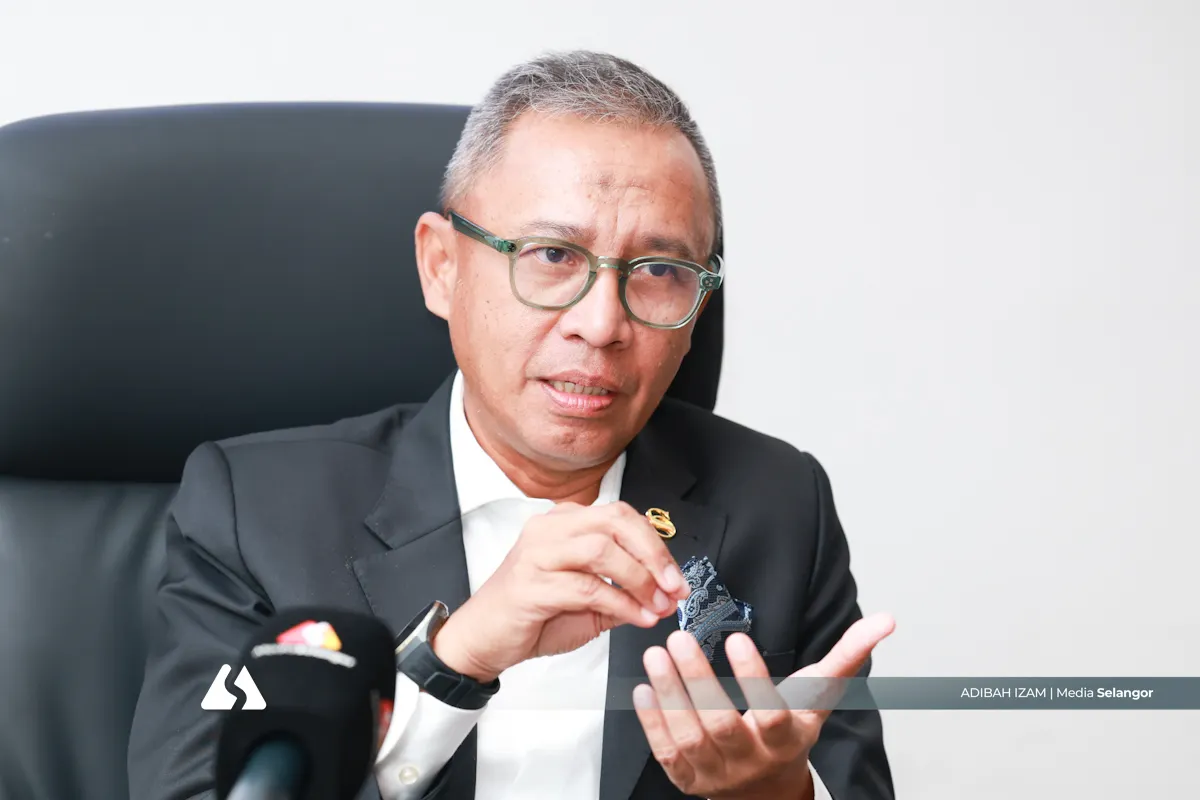
Its group chief executive officer Datuk Noor Hisham Mohd Ghouth said the group’s journey began in 2015 with its establishment under the Selangor State Development Corporation (PKNS), initially as a subsidiary tasked with exploring healthcare-related ventures.
Yet its groundwork was laid earlier in 2013, when PKNS convened 11 subsidiaries to review their direction and future.
“At that time, Selgate had not yet been established. Among the companies involved was PKNS Holdings, which was on the verge of closure as it no longer had staff,” he told Media Selangor during a recent interview at Selgate’s headquarters in Section 14.
PKNS Holdings originally served as PKNS’ marketing arm, employing private-sector personnel to deliver contracted services, including the promotion and marketing of housing projects and assets for sale.
Hisham, who was tasked with outlining PKNS Holdings' future direction during the presentation in 2013, said the company faced two options: closure or repositioning into a new business area.
“At that time, I proposed to PKNS management that PKNS Holdings should venture into a sector that did not exist within PKNS or in Selangor.
“I thought it was a legitimate idea because Johor already has KPJ (Healthcare Berhad), and Terengganu has KMI (Healthcare). They have entities that manage or serve as flagship healthcare providers for their respective (state) governments.
“Even though KPJ has been around for 30 years, I felt it was not too late for Selangor to start something similar, because this was still a new business for us. From there, I took the initiative to propose that PKNS Holdings venture into healthcare, which eventually led to the formation of Selgate,” he said.
Overcoming early scepticism
The group later expanded its ambitions beyond clinic operations, including the acquisition and rebranding of a chain of clinics into what became Selcare Clinic, marking its first step into service delivery.
Hisham added that the transition was not without challenges, particularly in securing the confidence of financial institutions and building credibility in a sector where Selgate had no prior track record.
“When we started, people doubted us because we had no healthcare experience, no connections, and no track record,” he said, noting that early expansion efforts required rebuilding trust with financial stakeholders.
Hisham, who has served PKNS for over two decades, said Selgate’s early years focused on building a solid and sustainable foundation, including securing financing, establishing operational systems, and identifying sustainable healthcare assets for expansion.
“Bank confidence was very important. We had to build our brand and a five- to 10-year storyline so financial institutions would believe in our projections,” he said.
Over time, Selgate expanded its operations into a broader healthcare ecosystem, including diagnostic services, pharmaceutical supply, and integrated healthcare support systems.
The group’s long-term strategy is to develop a fully integrated model that combines clinics, hospitals, and supporting healthcare services into a single ecosystem.
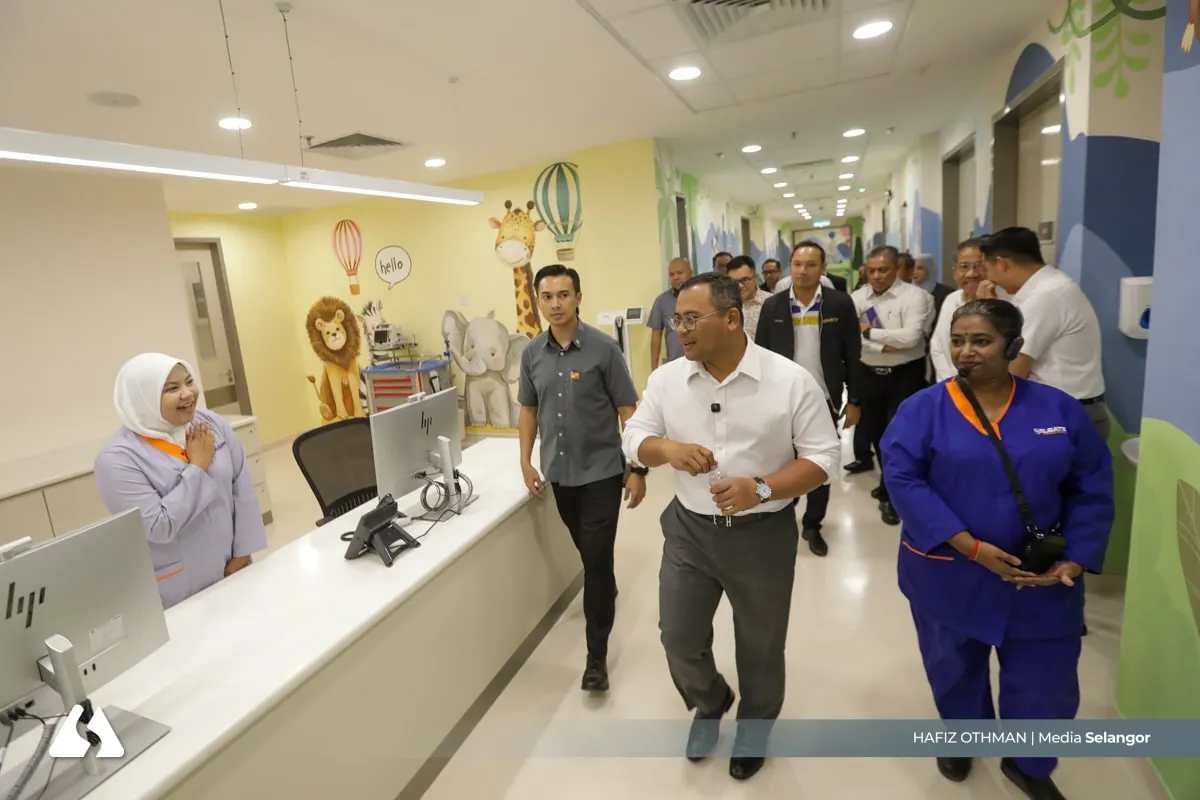
“In the end, we are building a healthcare ecosystem. Before the hospitals are completed, we are already developing supporting services such as pharmacies, laboratories, and care management systems,” Hisham said.
Selgate’s development is also guided by its objective of improving healthcare access, particularly in bridging the gap between public and private healthcare services.
“We know that the public needs faster access to and better continuity of healthcare, which improves patient experience.
“At the same time, they are also concerned about the cost of treatment. That is the challenge: how do we design healthcare without compromising quality? That is why we are very focused on integration, technology, preventive care, and operational efficiency,” he said.
Hisham acknowledged that healthcare affordability remains a key challenge due to rising private hospital costs and the financial burden associated with insurance-based access.
“Private healthcare is largely dependent on insurance, and many people struggle with premiums. That is the gap we are trying to address,” he said.