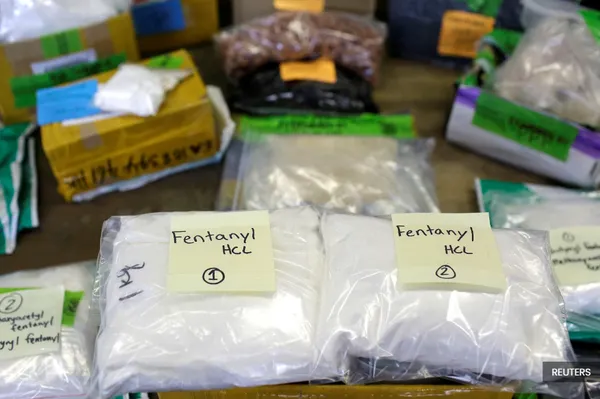
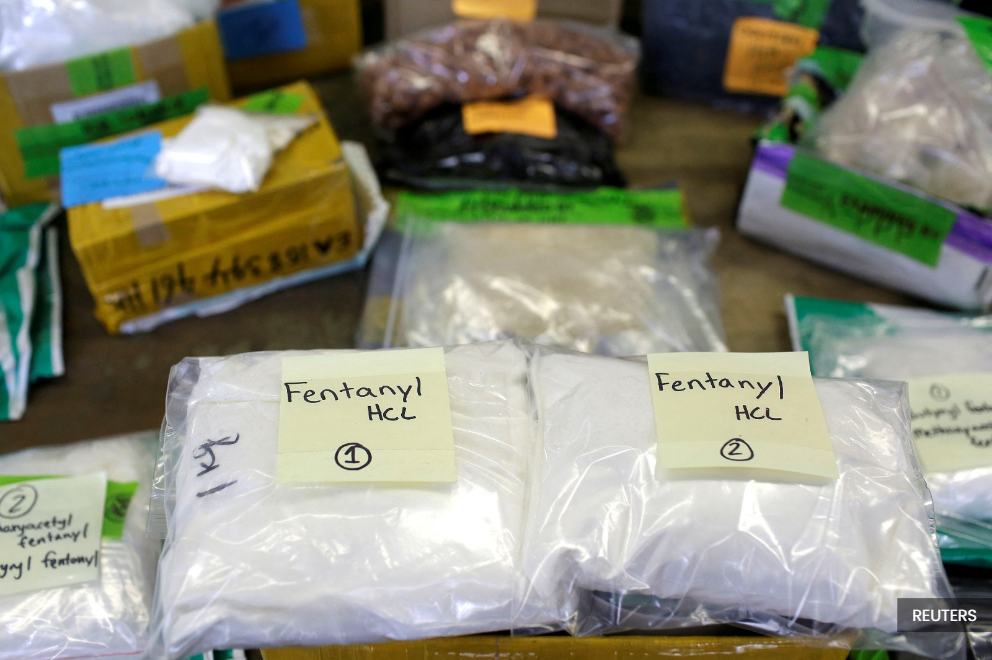

SHAH ALAM, May 24 — The synthetic drug fentanyl, better known as the ‘zombie’ drug, can cause users to lose self-control, behave aggressively, and experience extreme hallucinations, making them appear like the ‘living dead’ due to its severe effects on the brain and body.
Universiti Kebangsaan Malaysia's Social Sciences and Humanities Faculty criminology programme head Dr Azahah Abu Hassan Shaari said it is far more dangerous than conventional drugs because fentanyl is synthetically produced in laboratories using specific chemical compounds.
Its use, especially when mixed into vape liquids, can lead to serious addiction within a short period while also increasing the risk of overdose and death.
She said the drug’s effects on users’ physical and mental health are deeply worrying, as some individuals become highly aggressive, lose awareness of themselves, and are unable to control their actions.
“There are also users whose bodies simply shut down, leaving them appearing unconscious due to the drug’s extremely powerful effects,” Dr Azahah told Media Selangor.
She was commenting on growing concerns over the spread of vapes mixed with prohibited substances such as fentanyl, ketamine, and hallucinogenic compounds among teenagers.
The trend of synthetic drug use is becoming increasingly alarming because such prohibited substances can be produced cheaply in illegal laboratories before being distributed widely.
Drug trafficking syndicates also employ various tactics, including mixing foreign substances into vape liquids to increase users’ addiction levels.
“Many synthetic drugs are available on the market because production costs are low and they can easily be manufactured in illegal laboratories.
“Dealers mix various foreign substances to heighten addictive effects, causing users to undergo extreme behavioural changes,” Dr Azahah said.
She added that the sale of drug-laced vapes is becoming harder to detect because most transactions are conducted online without any physical exchange.
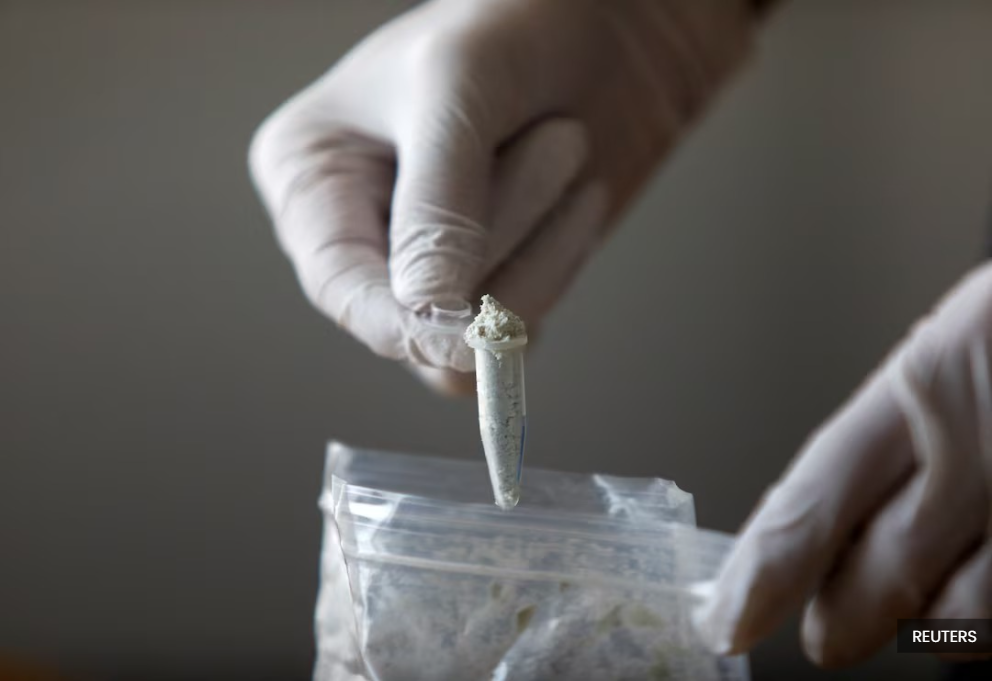
Teens are the group most easily influenced due to their strong curiosity and tendency to experiment with things perceived as new and enjoyable.
“Sometimes users themselves do not realise the vape products they purchase contain prohibited substances because the contents are not clearly displayed,” Dr Azahah said.
She noted that fentanyl is among the world’s most dangerous drugs because even a very small dose can cause severe addiction and prove fatal due to overdose, as the substance is estimated to be 50 to 100 times more potent than heroin.
“There have also been cases overseas where police officers suffered overdoses merely from exposure to pure fentanyl. That is why we are extremely concerned if this substance is mixed into vape products and sold to teenagers,” Dr Azahah said.
Although Malaysia has a good control system, the authorities face major challenges as syndicates constantly seek new routes to distribute prohibited substances.
“When one route is shut down, they will open another because these syndicates move very quickly and creatively,” she said.
Dr Azahah emphasised that efforts to curb synthetic drug abuse cannot rest solely on the authorities, but instead require cooperation from schools, parents, and the wider community.
Training and exposure for teachers and parents should be enhanced to help them identify modern vape devices that resemble ordinary electronic gadgets, such as USB drives.
She also proposed installing closed-circuit television cameras in schools and implementing periodic urine tests in high-risk schools to detect drug abuse activities at an earlier stage.
Dr Azahah observed that the misuse of drug-laced vape products could have major implications for the country, as the use of prohibited substances at a young age risks impairing brain development, thereby increasing problems such as psychosis, violence, and crime linked to synthetic drug addiction.