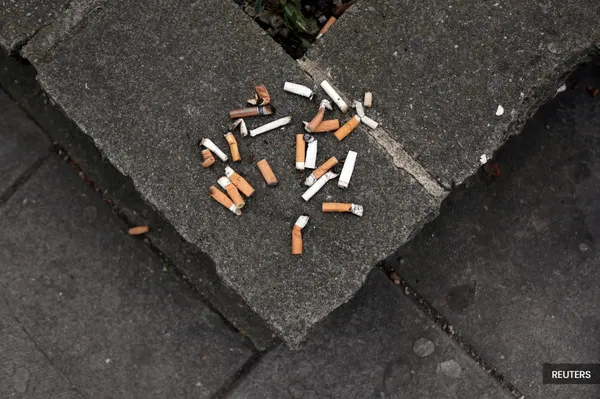
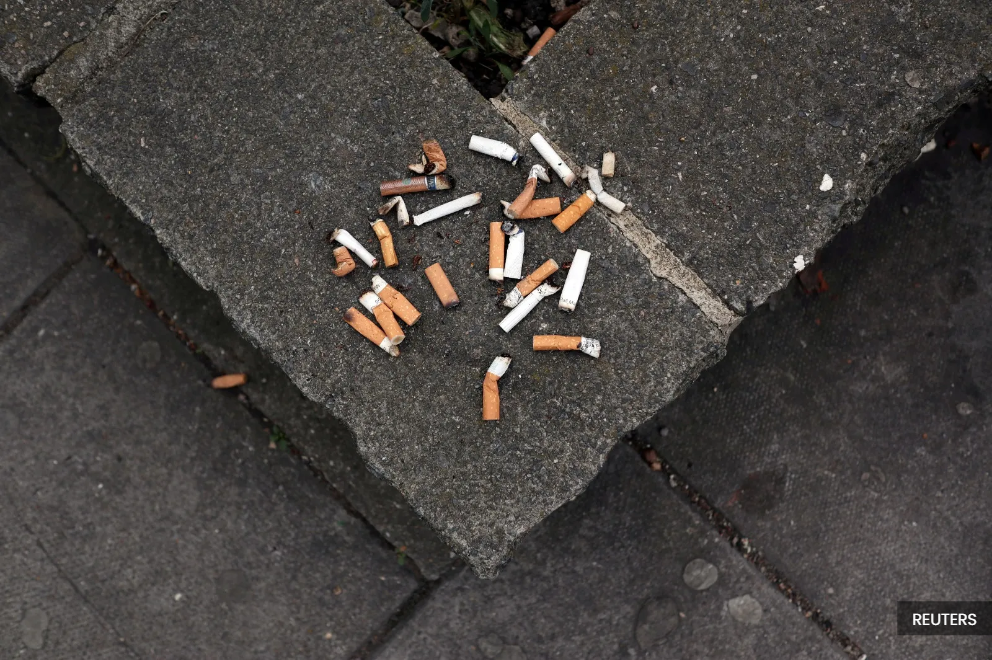
SHAH ALAM, May 21 — The act of discarding cigarette butts into drains, roadsides or public areas is often seen as trivial, but experts warn that its effects can return to humans in a more dangerous form — microplastics in the body.
The habit not only affects cleanliness but also risks contaminating water sources as chemicals and fine plastic particles from cigarette filters are carried by rainwater into drains, rivers and eventually the food chain.
Environmental activist Amlir Ayat said cigarette butts contain semi-synthetic plastic materials that take a long time to decompose and are made up of various hazardous substances.

He explained that the chemicals include tar, nicotine, cadmium, lead and arsenic, which can pollute water sources and threaten aquatic life.
“When it rains, these chemicals are carried into drains and rivers before contaminating aquatic life. When fish, prawns or crabs are consumed by humans, the pollutants eventually return to our bodies,” he told Media Selangor.
Amlir said cigarette butts can also generate microplastics when they break down over a long period before being ingested by marine life and re-entering the human body through seafood consumption.
“In reality, it has a major impact because it can produce microplastics. These microplastics are eaten by aquatic life and eventually enter the human body when we consume fish or seafood,” he said.
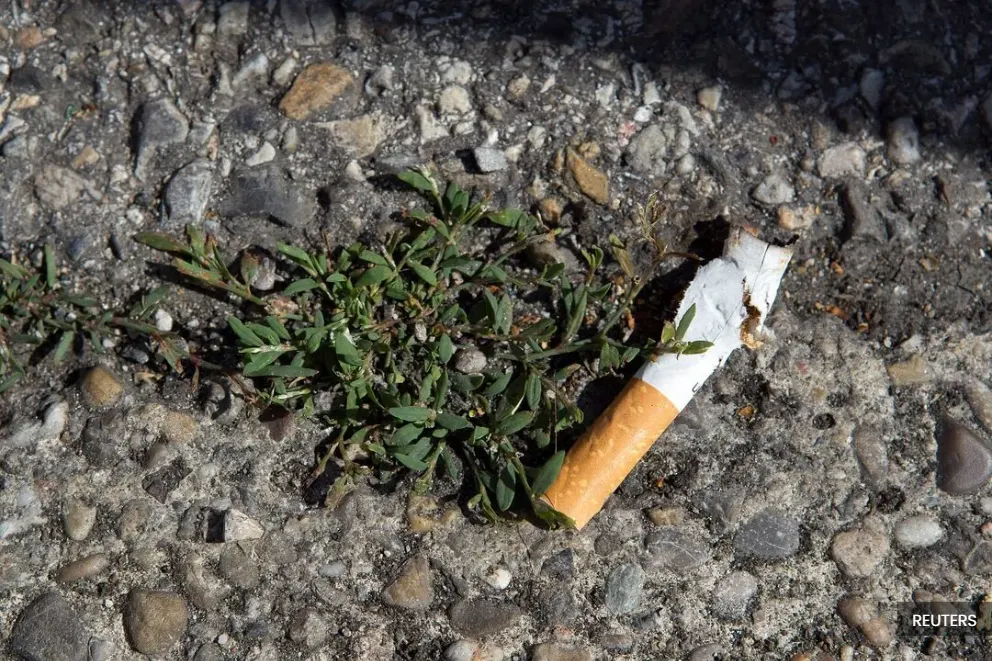
The EcoKnights president added that indiscriminate disposal of cigarette butts can also clog drainage systems, trigger flash floods and pose fire risks if they are still smouldering when thrown away.
He said enforcement alone is not sufficient, as behavioural change must be built through education, awareness and continuous campaigns.
“We do not want people to only avoid throwing cigarette butts because of fines. We want them to understand that the act is wrong and affects others.
“If this awareness is built from an early stage, I believe we can see a change in behaviour within a few years,” he said.
He proposed continuous campaigns through social media, schools and the media to remind the public not to litter cigarette butts.
Amlir also urged smokers to be more responsible by keeping cigarette butts in small containers or temporary holders if no bin is available nearby.
“Do not throw cigarette butts everywhere. Keep them until you find a bin. This small action can prevent major pollution to the environment and human health,” he said.