SHAH ALAM, May 5 — Fishermen and farmers in Selangor have described as “timely” the state government’s RM300 to RM500 subsidy to support food producers amid rising operating costs caused by the West Asia conflict.
However, they urged details on how the aid would be distributed and a more structured and transparent mechanism to ensure it effectively reaches the intended recipients.
Those in the agriculture and fisheries sectors told Media Selangor that diesel and input cost hikes, including for packaging materials and equipment, have significantly strained daily operations.
Sekinchan Fishermen and Fish Traders Welfare Association chairman Datuk Chia Choon Theng said higher transport and raw material costs have caused fishing equipment prices to surge by up to 40 per cent.
“The increase in the prices of these goods is quite shocking, reaching around 30 to 40 per cent. Therefore, we hope the subsidy from the Selangor government can ease our economic burden to some extent.
“I will get in touch with local representatives and relevant parties to better understand how this subsidy will be distributed,” he said.
On April 16, the state government announced the RM131 million Selangor Resilience Enhancement Package Phase 1, aimed at addressing crises arising from tensions in West Asia.
The package focuses on boosting food security, lowering living costs, controlling inflation, encouraging greater public transport use, and providing targeted aid to vulnerable groups.
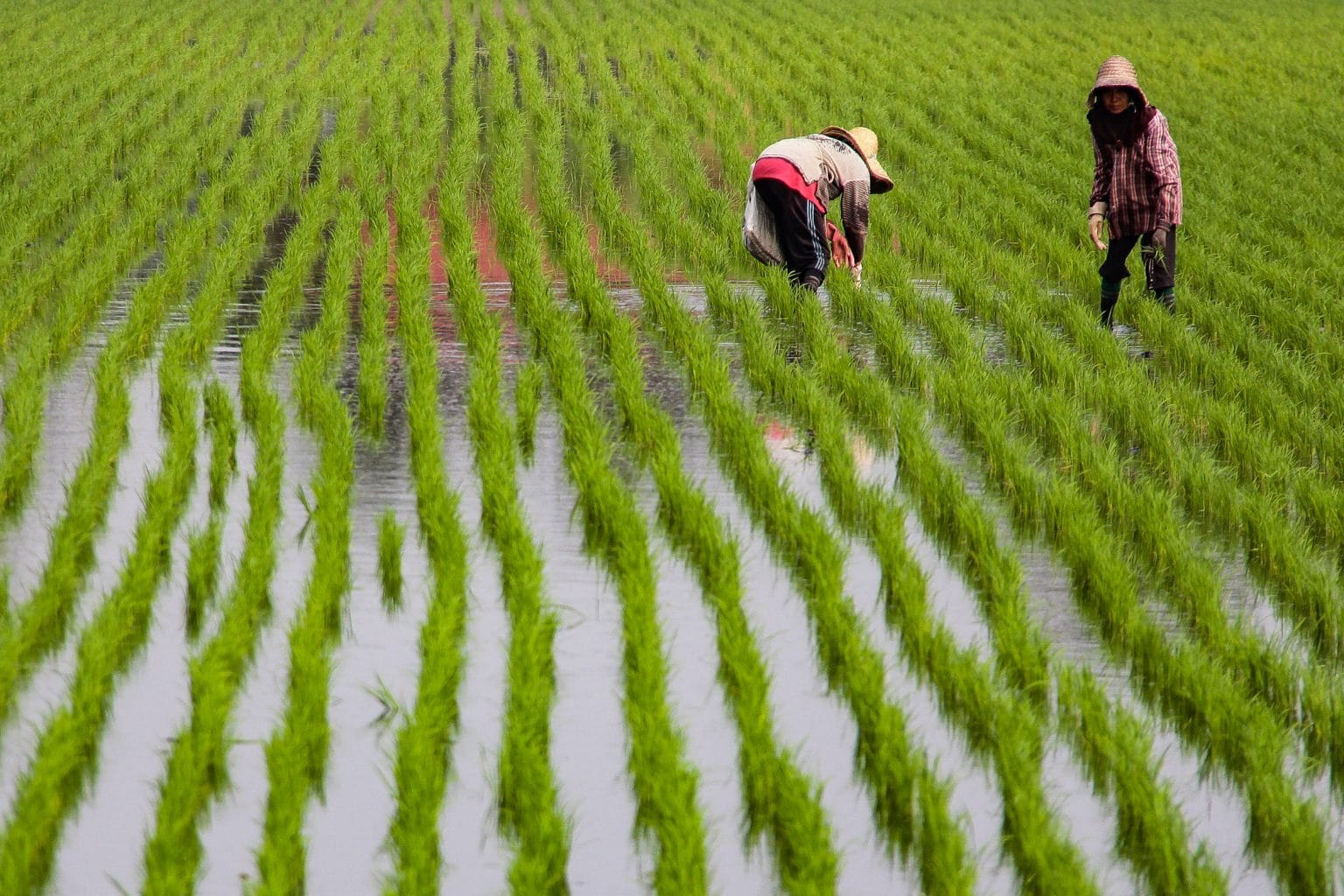
To support padi farmers, fishermen, agricultural workers, and livestock breeders impacted by rising fuel costs, RM25 million has been allocated to help cover fuel and agricultural input expenses.
Under this initiative, around 18,000 padi farmers will receive RM500 per hectare per season, while 2,000 fishermen will be given RM300 monthly for six months. Farmers, livestock breeders, and aquaculture operators will also receive RM450 monthly for six months to absorb rising costs and prevent food price hikes.
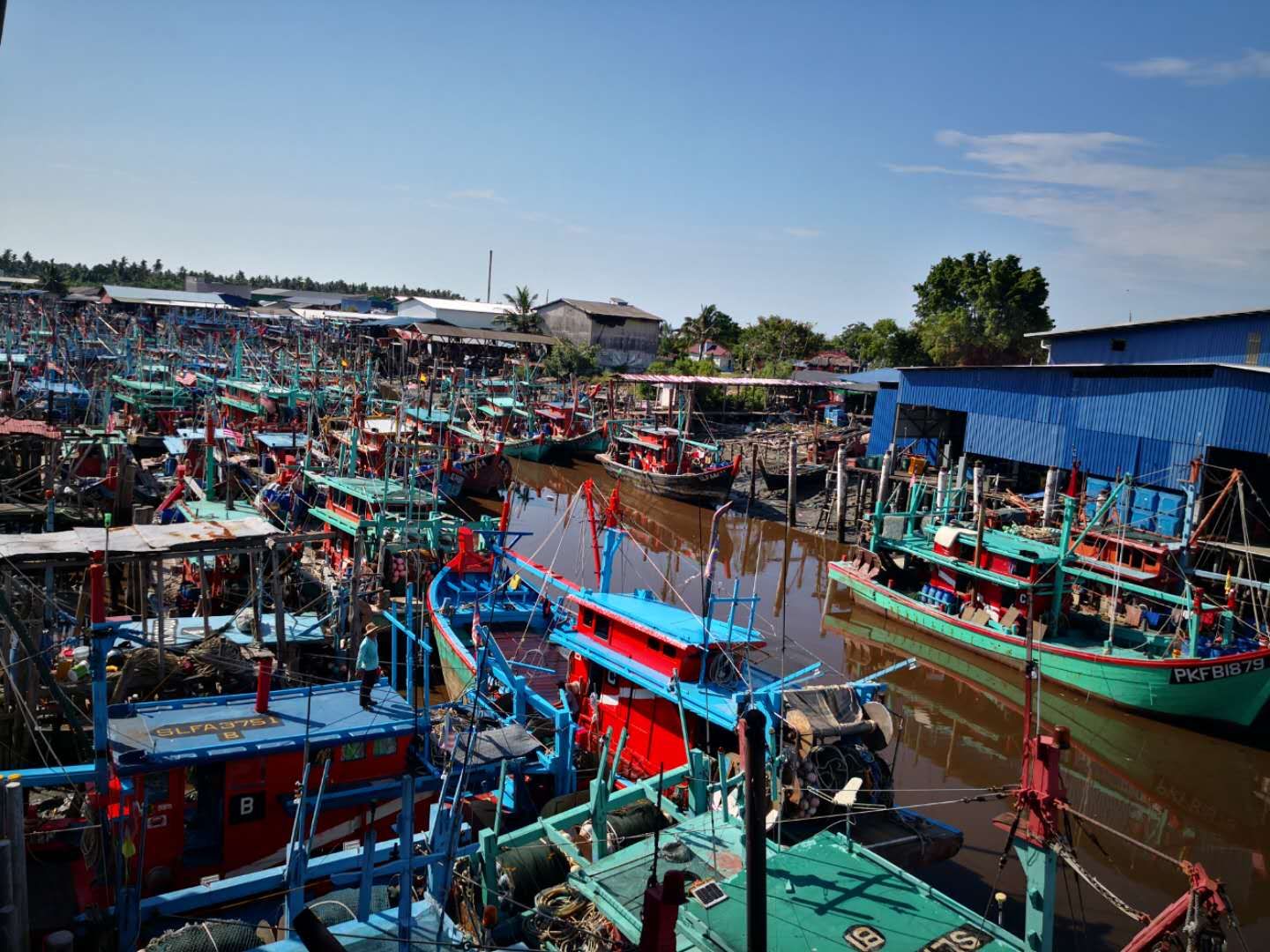
Rising equipment costs
Kampung Bagan Seri Sekinchan’s Village Development and Security Committee chief Chia Yeow Leong said although fishermen still receive federal diesel subsidies, the rising cost of equipment such as nets, wood, and packaging materials continues to place significant pressure on operators.
“Maintenance and repair costs for boats have also increased, so the state government’s subsidy helps to some extent in covering these expenses,” he said, adding that deep-sea fishing vessels in the C2 category are the most affected as they do not receive diesel subsidies.
Padi farmer Lee Eng Siong suggested subsidy distributions consider farmland sizes to ensure a fairer and more targeted approach.
“If the assistance is given as a lump sum, it may not be sufficient because some farmers only work on half a lot, while others manage up to 40 or 50 lots. Distribution based on land size would be fairer and truly help reduce the burden on farmers,” he said.
Another farmer, Wong Fock Ming, said the cost of diesel-powered machinery and harvesting has now doubled, while padi yields have become increasingly unpredictable each season due to the weather and pests.
“The harvest season is expected to begin in mid-May, so we will seek further information about the subsidy from the village head,” Wong said.