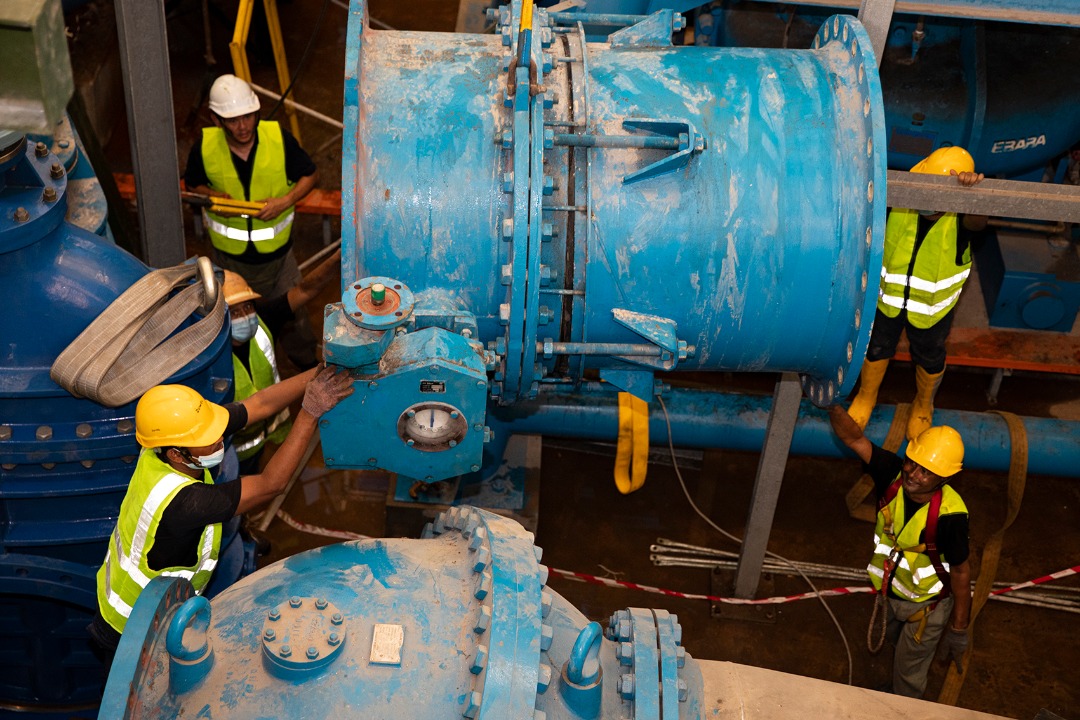
SHAH ALAM, April 29 — Selangor spent approximately RM800 million last year to replace 285km of pipes as part of efforts to reduce non-revenue water (NRW).
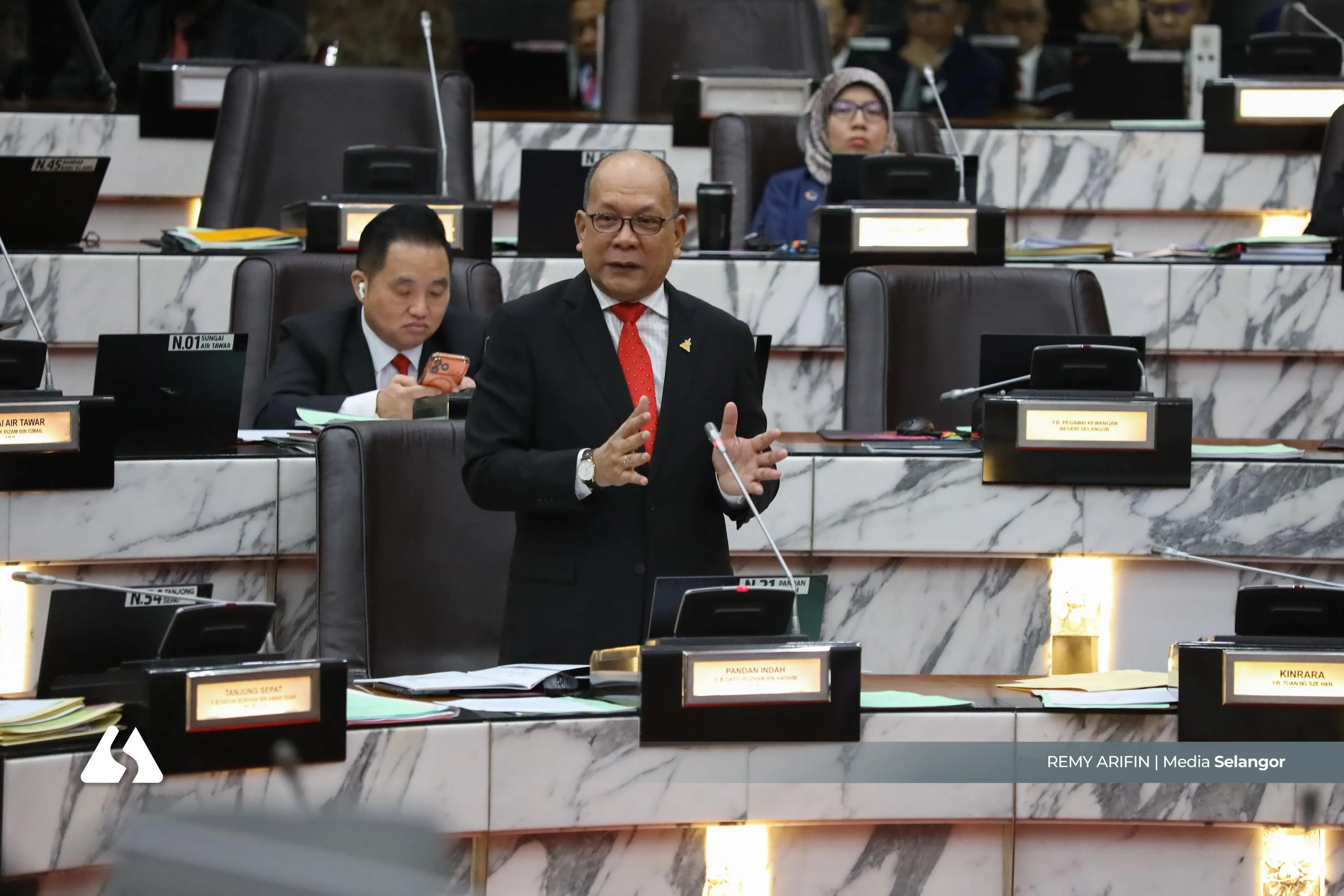
State executive councillor for infrastructure and agriculture Dato' Izham Hashim said the NRW rate has been reduced to 27 per cent, down from around 34 per cent in 2017-2018.
Pipe replacement efforts will continue this year, with an additional target of 300km. He said that the cost of reducing NRW is high, at about RM300 million per one per cent of reduction.
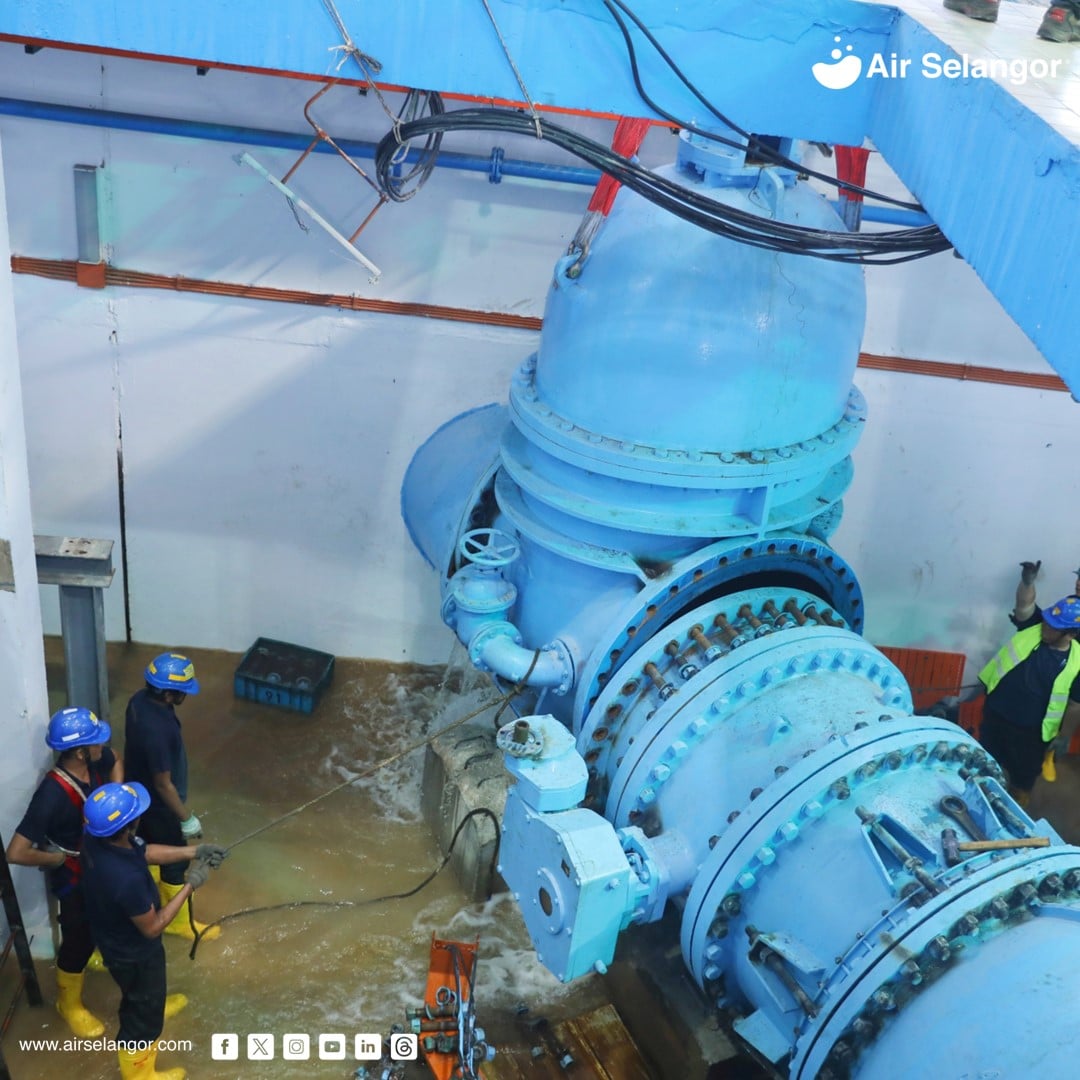
“NRW is not an easy issue to address because the cost of replacement is high. However, do not assume that replacing pipes alone will solve it; there are many other factors, such as tanks, water towers, valves, and other components, as well as issues like theft, that must be examined.
“That is why many are less interested and would rather build new water treatment plants in Selangor. It is not just about pipes, but also installation, which requires road closures, especially in densely populated areas,” Izham said.
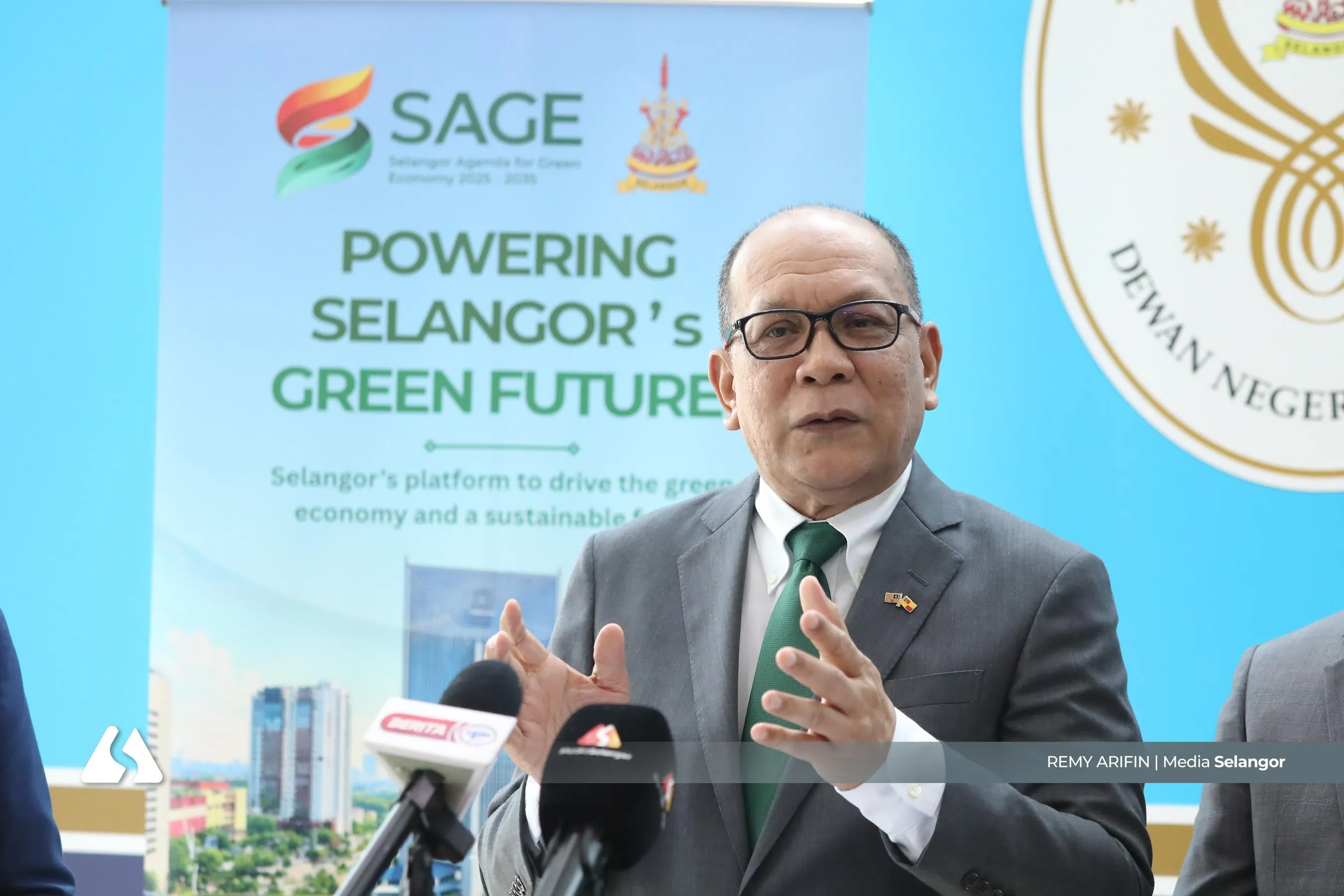
He was speaking during the official launch of the Selangor Agenda for Green Economy 2025-2035 (SAGE) website at the Selangor State Legislative Assembly today.
Izham added that the state government aims to reduce NRW levels to below 20 per cent through a plan to lower it by about one per cent annually.
“Each year, we have successfully reduced NRW, which now stands at around 27 per cent in Selangor. However, the lower the rate, the higher the cost required, which can reach RM400 million to RM500 million.
“Do not underestimate a one per cent reduction, as it involves approximately 6.5 billion litres of water,” he said.
Recent news reports indicate that Malaysia incurs losses exceeding RM4 billion due to an NRW rate of 33.4 per cent in Peninsular Malaysia and the Labuan Federal Territory.
This figure has more than doubled from 2008, when losses were about RM1.4 billion, largely because treated water does not generate revenue.