
SHAH ALAM, April 26 — The sustainability fee is not merely a new levy; rather, the revenue collected will be channelled back into upgrading public tourism facilities to enhance visitors' comfort and benefit local communities.
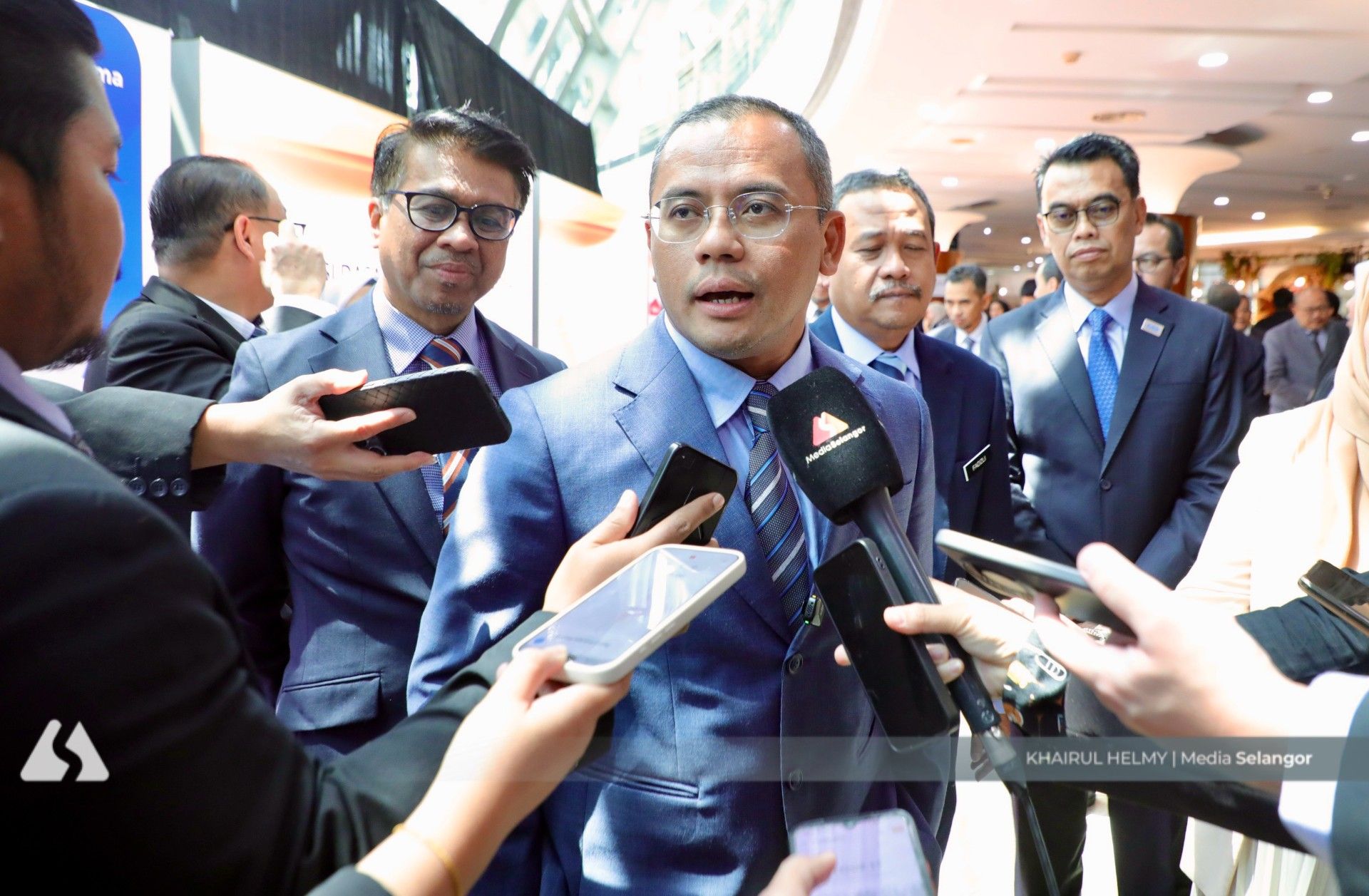
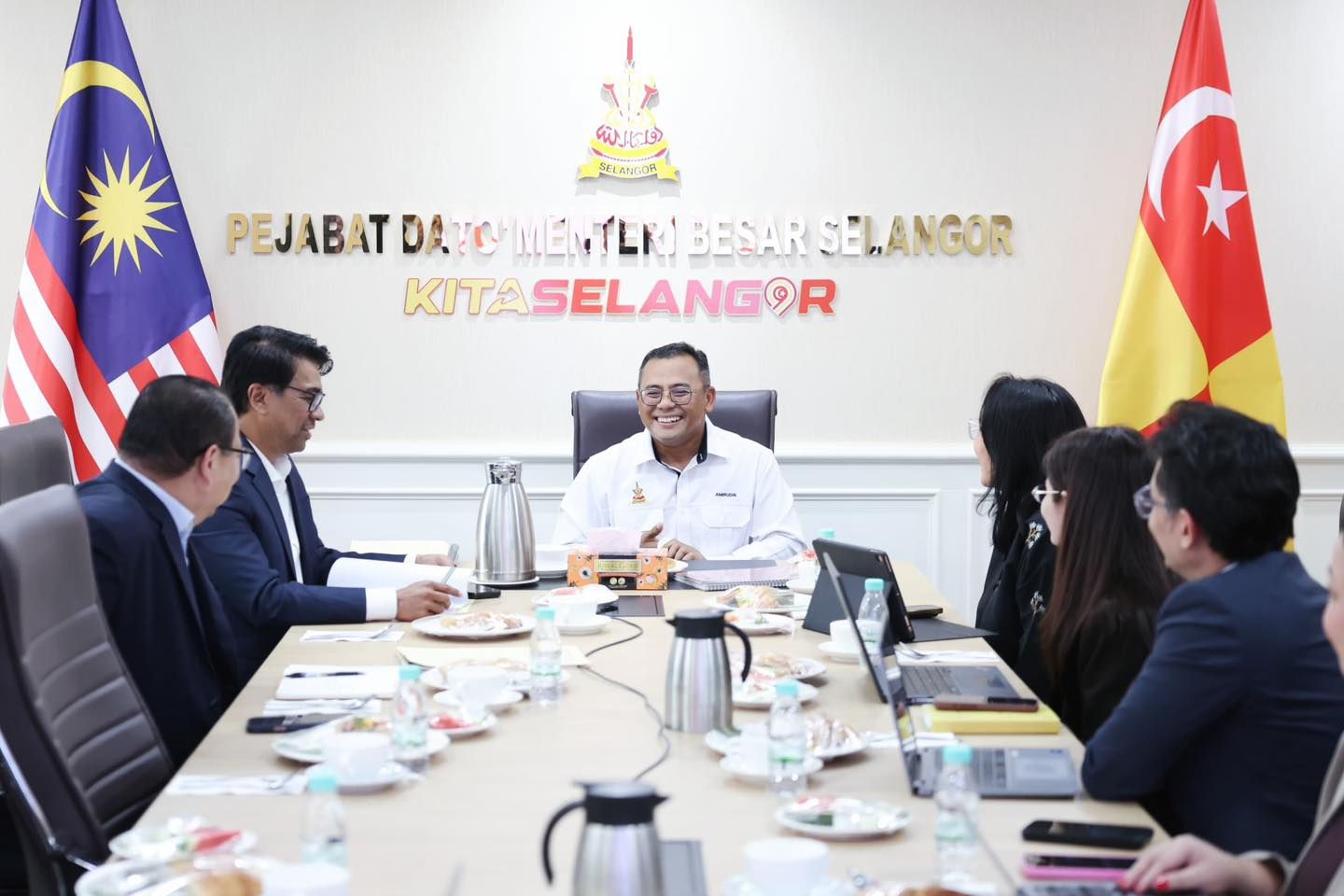
Menteri Besar Dato' Seri Amirudin Shari said the approach reflects the state government's commitment to developing a more sustainable and responsible tourism sector.
“This year, we introduced the sustainability fee, and in doing so, the proceeds will, in fact, be returned to improve tourism facilities in public areas.
“This includes amenities such as public toilets, as well as the redevelopment of areas that may have been somewhat neglected due to disasters such as floods and other factors.
“We will prioritise infrastructure development based on proposals from Tourism Selangor, district offices, and others,” he said.
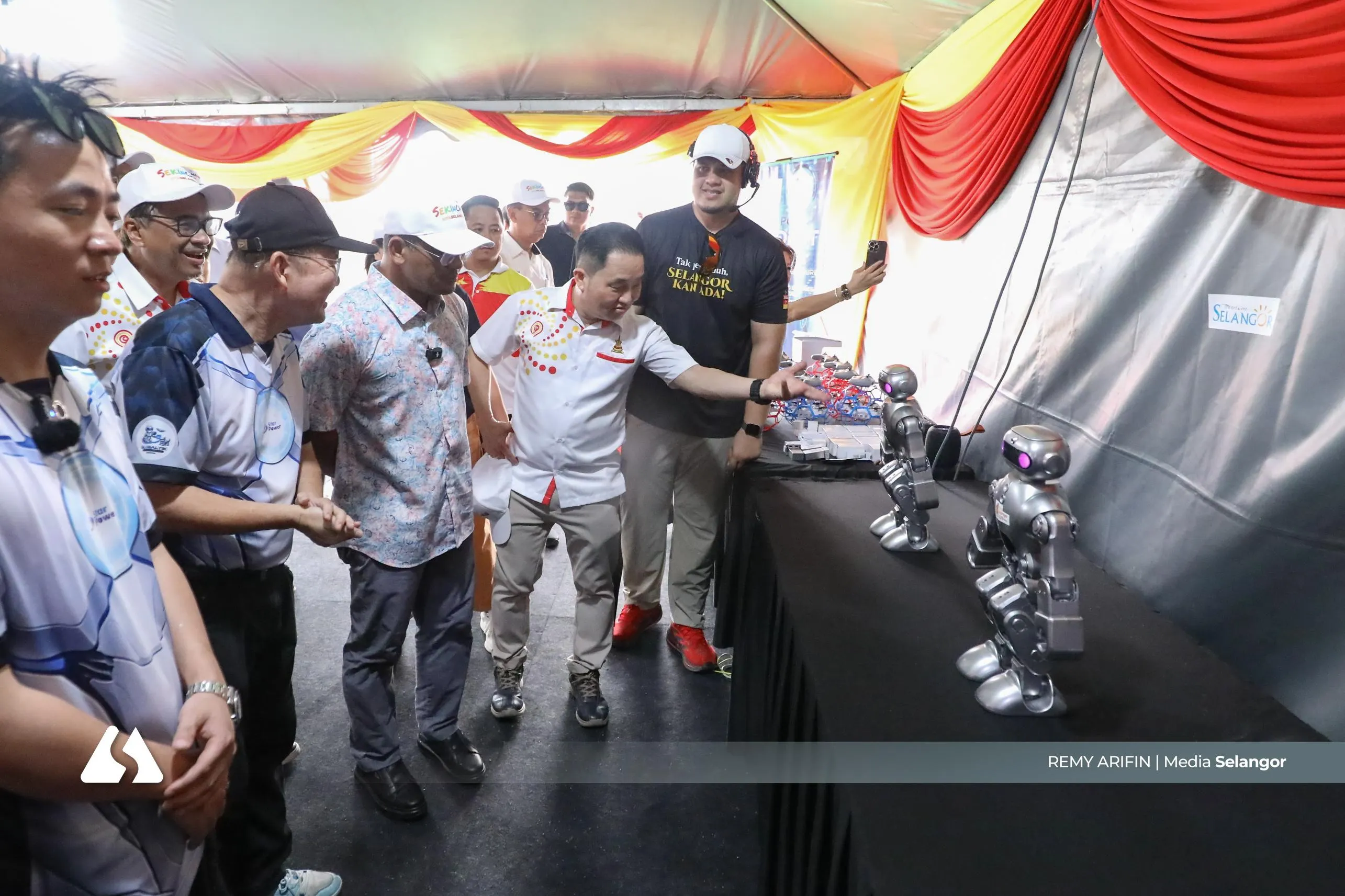
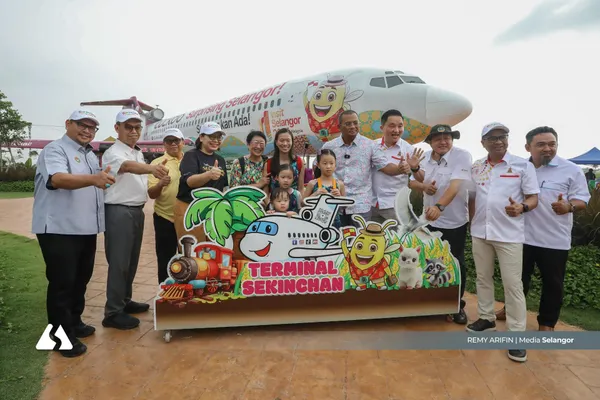
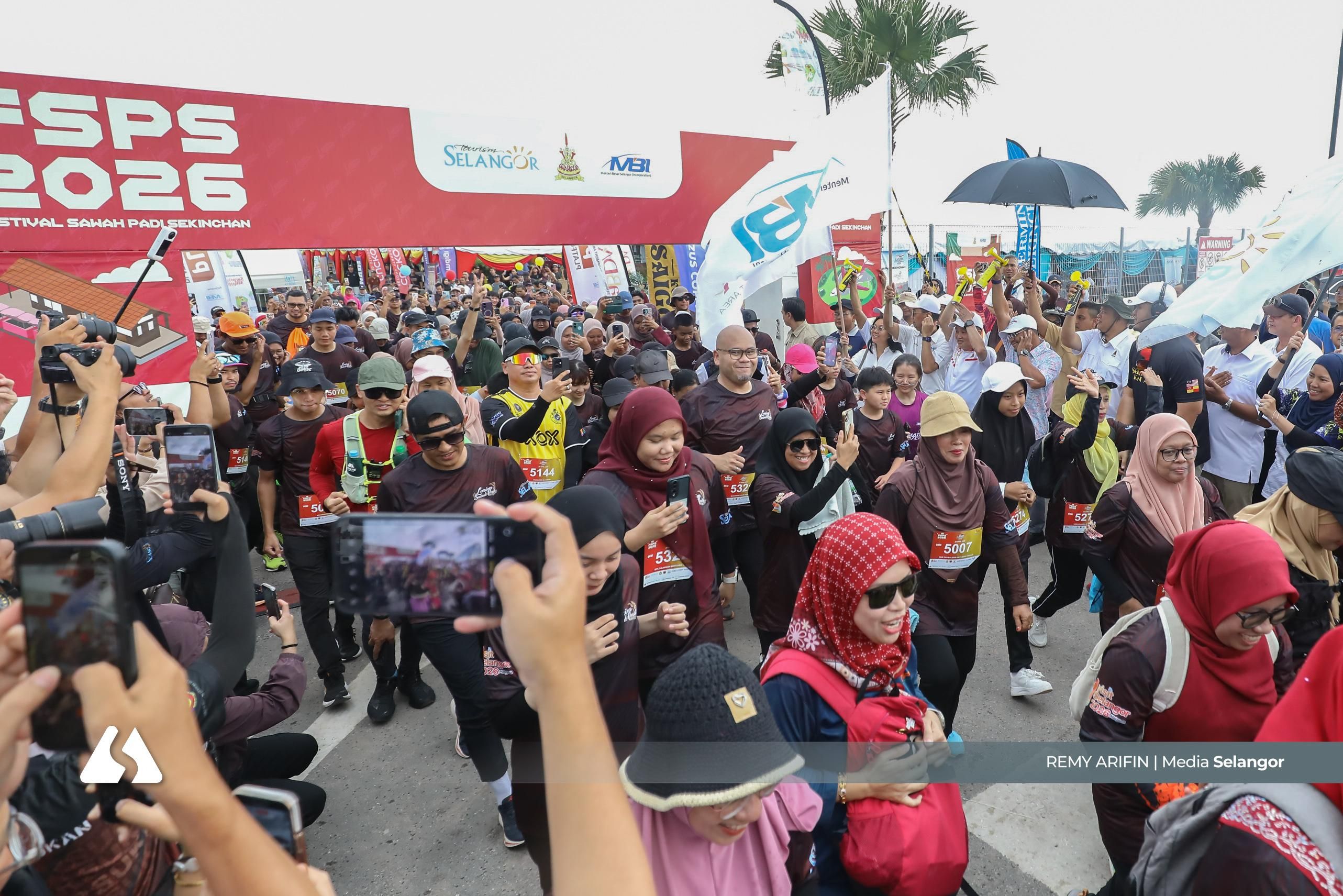
Amirudin was speaking while officiating the Sekinchan Paddy Field Festival 2026 at Terminal Sekinchan yesterday, which was also attended by state executive councillor for local government and tourism Dato' Ng Suee Lim.
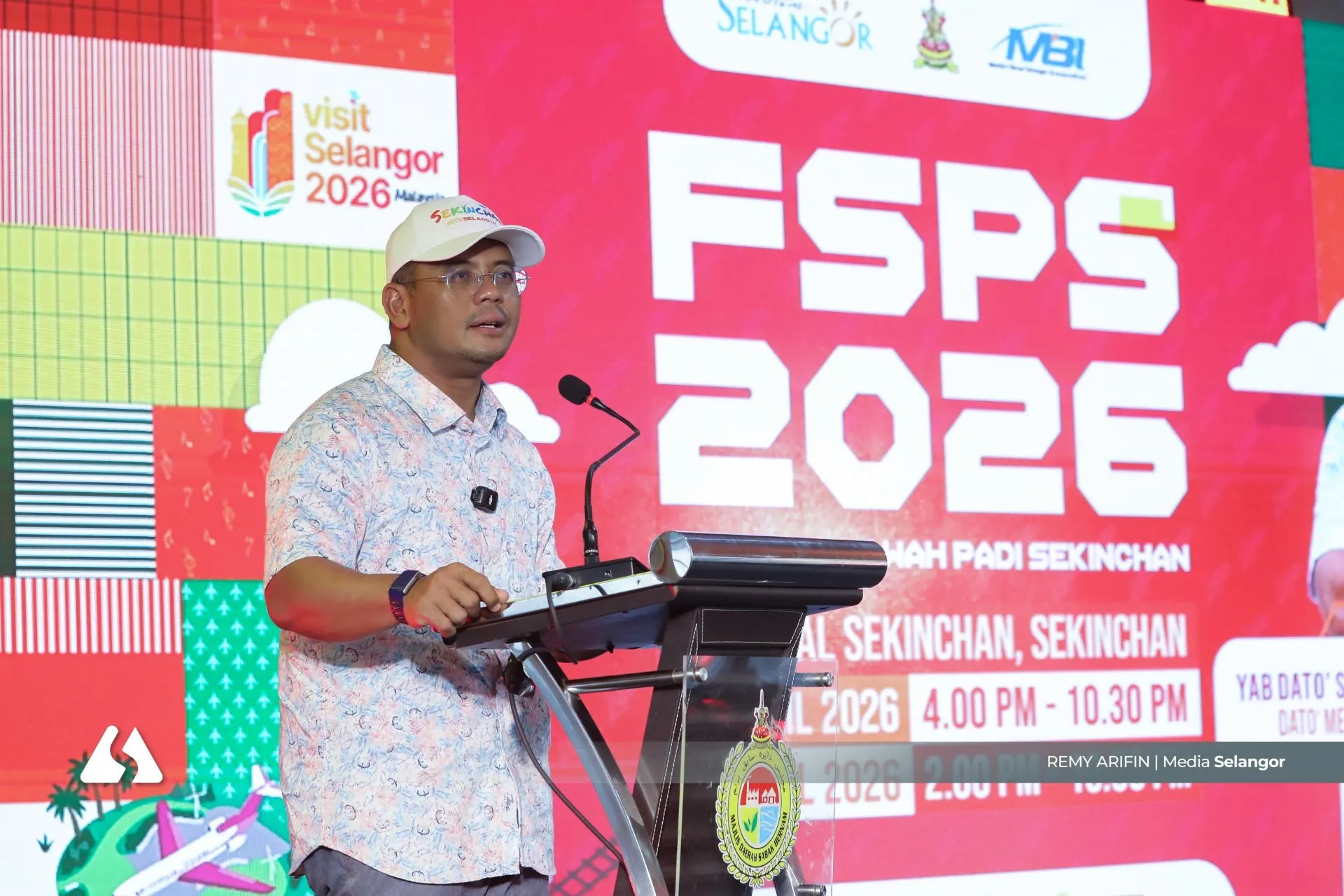
Also present were the state executive councillor for consumer affairs and cooperatives Datuk Rizam Ismail and Menteri Besar Selangor (Incorporation) or MBI chief executive officer Dato' Saipolyazan M Yusop.
He added that efforts to strengthen tourism facilities are in line with the state government’s broader aspiration to enhance regional economic competitiveness through the Second Selangor Plan (RS-2), which is expected to be tabled this year.
Achieving this target will require support from all parties, including tourism industry players, to attract more international visitors to Selangor.
“We are no longer aspiring to be champions within Malaysia; under RS-2, among our goals is to become a leading state in the Southeast Asian region.
“This is not an easy task, but at the same time, we must rise to the challenge, including making this place an ideal destination for tourism and for the community,” Amirudin said.
Previously, Ng said the sustainability fee would be imposed on visitors starting on January 1 to ensure the continued preservation of heritage and the environment.
The fee is collected by hotels and homestay operators before being channelled to local authorities, with a small portion allocated to the state government.