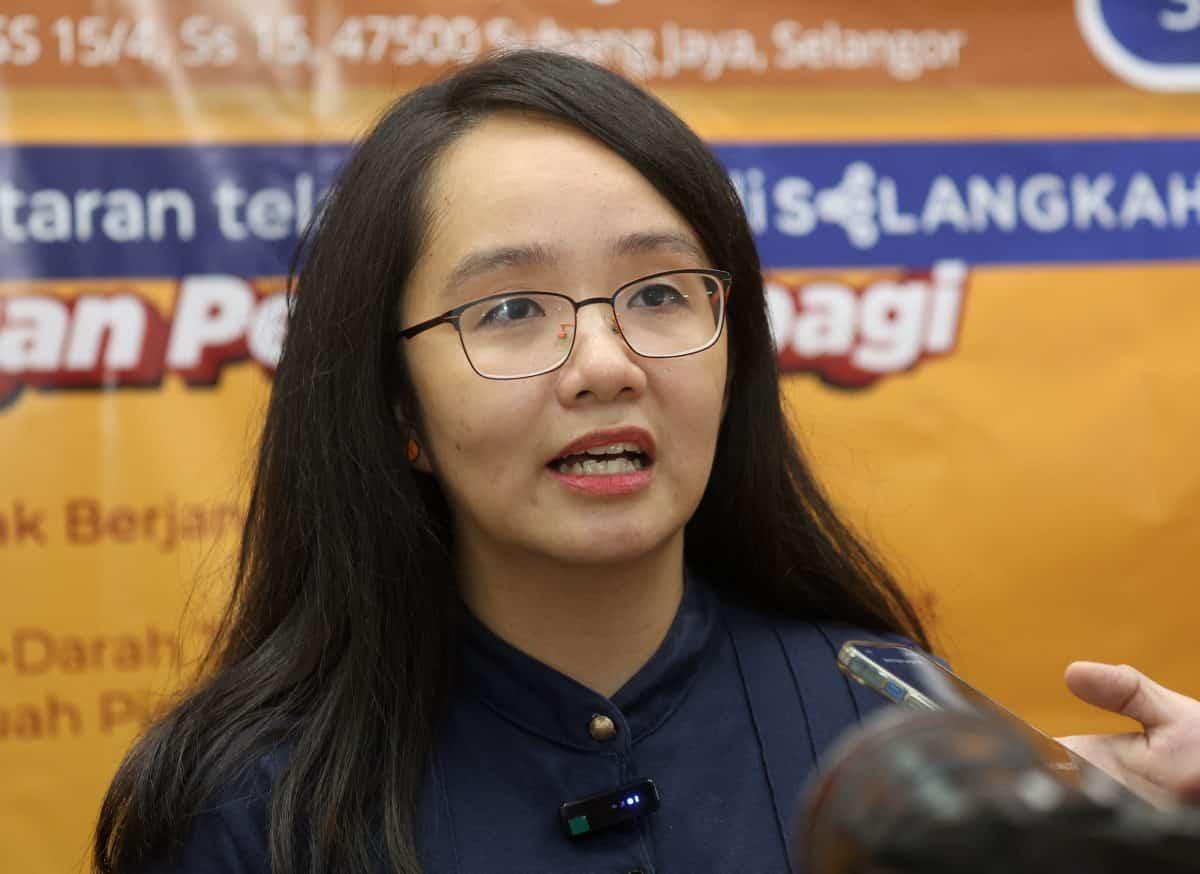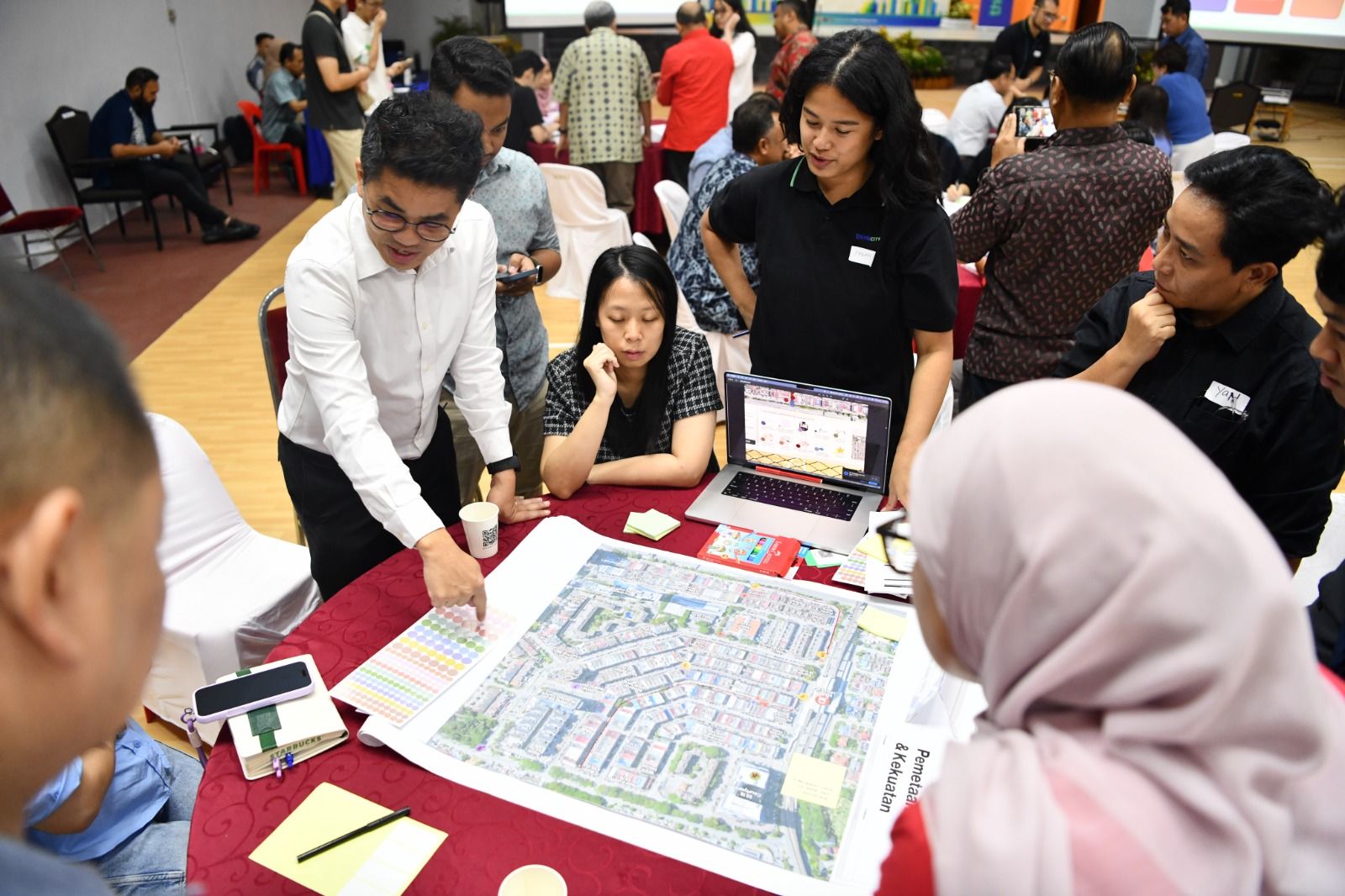
SHAH ALAM, June 5 — The vibrant commercial hub of SS15 in Subang Jaya is set to undergo a comprehensive placemaking exercise aimed at making the area more accessible and liveable for residents, businesses and visitors, said Subang Jaya assemblyman Michelle Ng Mei Sze.
She added that the initiative goes beyond repairing ageing infrastructure, and instead seeks to reimagine the future of SS15 as a people-centred urban space.
“The vision is to (develop) a neighbourhood that prioritises safety, accessibility, cleanliness and community participation.
“We want SS15 to be a place that is safe for vulnerable groups, including women, children, persons with disabilities, and senior citizens, so they can walk, cycle and move around comfortably,” she said during an engagement session with stakeholders for the SS15 Placemaking Survey yesterday.
According to the Subang Jaya City Council (MBSJ), the engagement session was held in collaboration with urban regeneration group Think City to gather feedback from stakeholders on SS15’s future development.
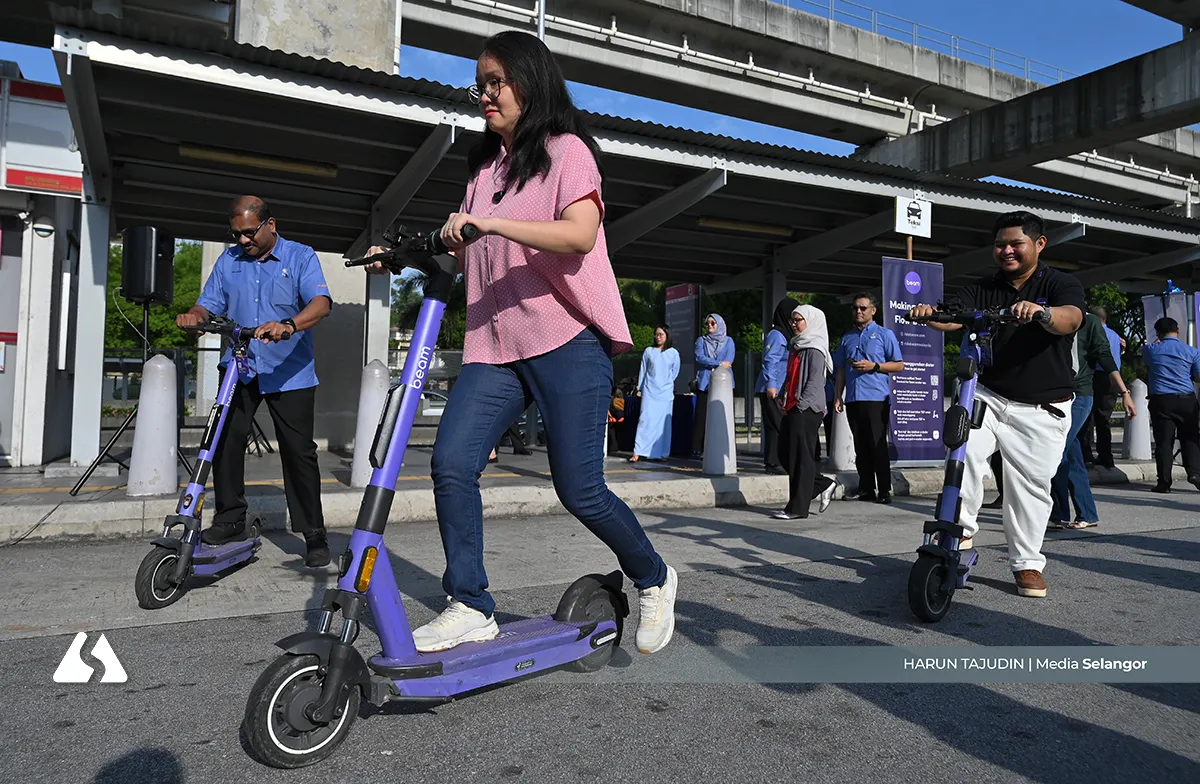
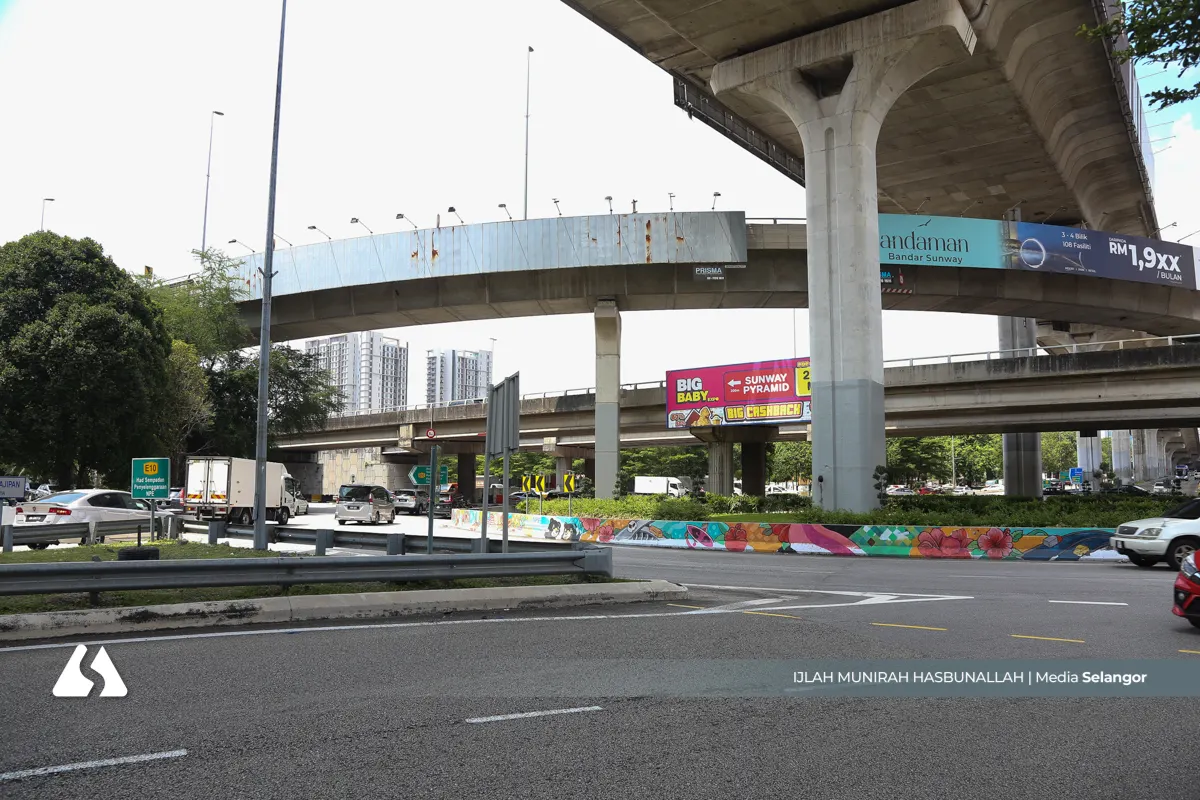
The survey will assess the area’s physical, social and economic potential, with a focus on improving traffic management, strengthening public transport connectivity, and activating public spaces for a more sustainable, inclusive and community-friendly urban environment.
It is expected to be a pilot project that could shape future urban regeneration efforts in other parts of Subang Jaya and Selangor.

Inclusive urban upgrades
Ng said the placemaking survey comes at a crucial time as SS15 continues to evolve as one of the Klang Valley’s most vibrant commercial centres, driven largely by its proximity to higher learning institutions and strong youth presence.
“SS15 has long been a trendsetter, having previously emerged as a hub for internet cafes, independent cafes and, more recently, bubble tea outlets, thrift stores and other youth-oriented businesses.
“The area’s popularity was further amplified following the opening of the SS15 LRT station, which significantly improved accessibility and increased the demand for better pedestrian infrastructure, public spaces and first-mile/last-mile connectivity.”
She also highlighted concerns over the design of SS15’s commercial shoplots, which were built with dual-frontage access before their rear entrances were closed off.
“This has contributed to issues such as waste disposal difficulties, illegal dumping hotspots, and accessibility challenges for upper-floor tenants.”
She also stressed the need to improve accessibility for senior citizens, wheelchair users and pregnant women, especially as many residents who moved to the area decades ago are entering their golden years.
“Feedback collected during the engagement session will be used by MBSJ and Think City to formulate a comprehensive action plan covering short-, medium- and long-term improvements.”
She acknowledged that achieving the vision may require difficult decisions, such as reopening rear shoplot access, reducing certain parking spaces to accommodate wider pedestrian walkways and micromobility lanes, and introducing more sustainable waste management practices.
“Meaningful change requires some degree of discomfort, but the SS15 community has proven time and again that it is willing to embrace change when the benefits are shared by everyone,” Ng said.