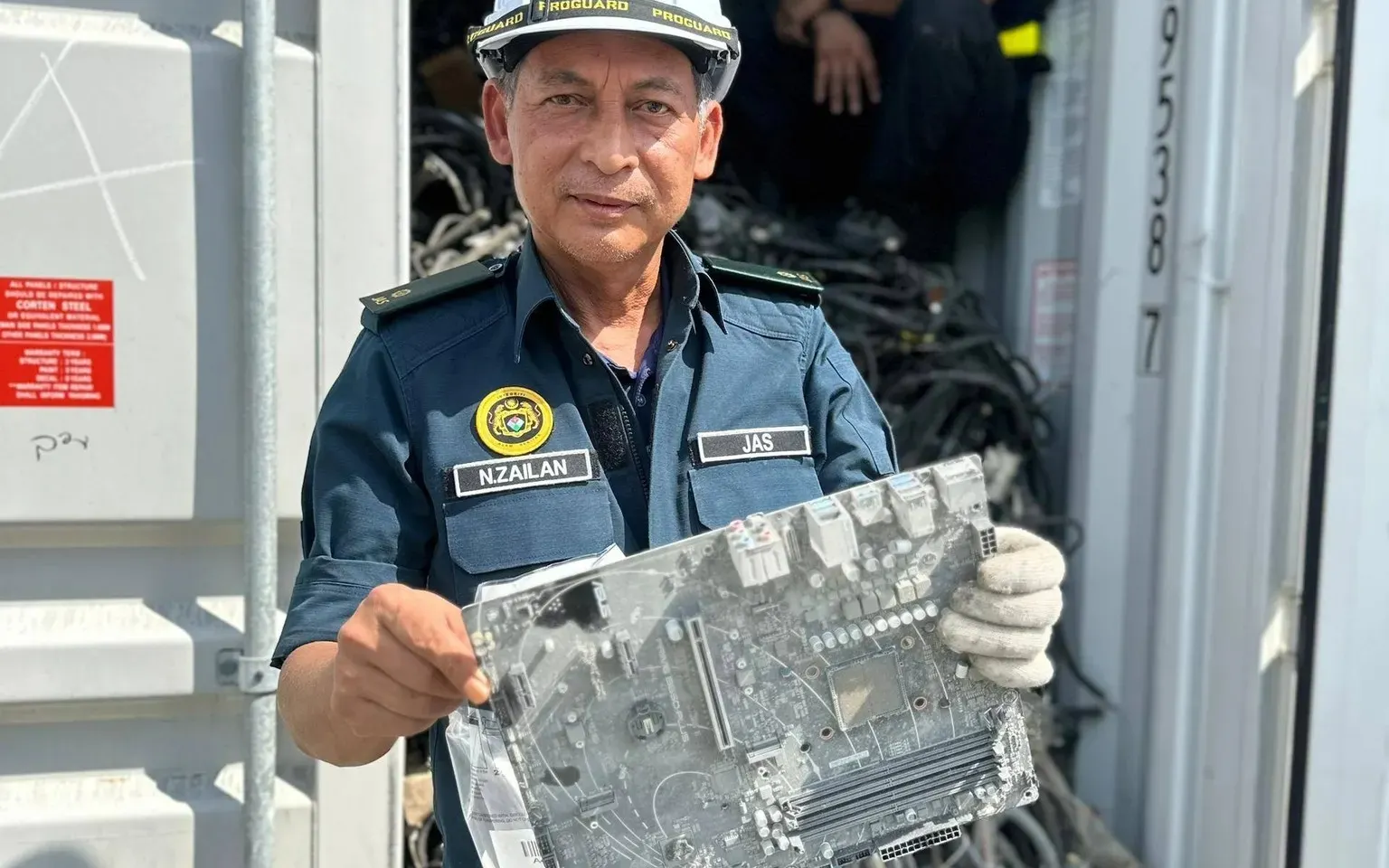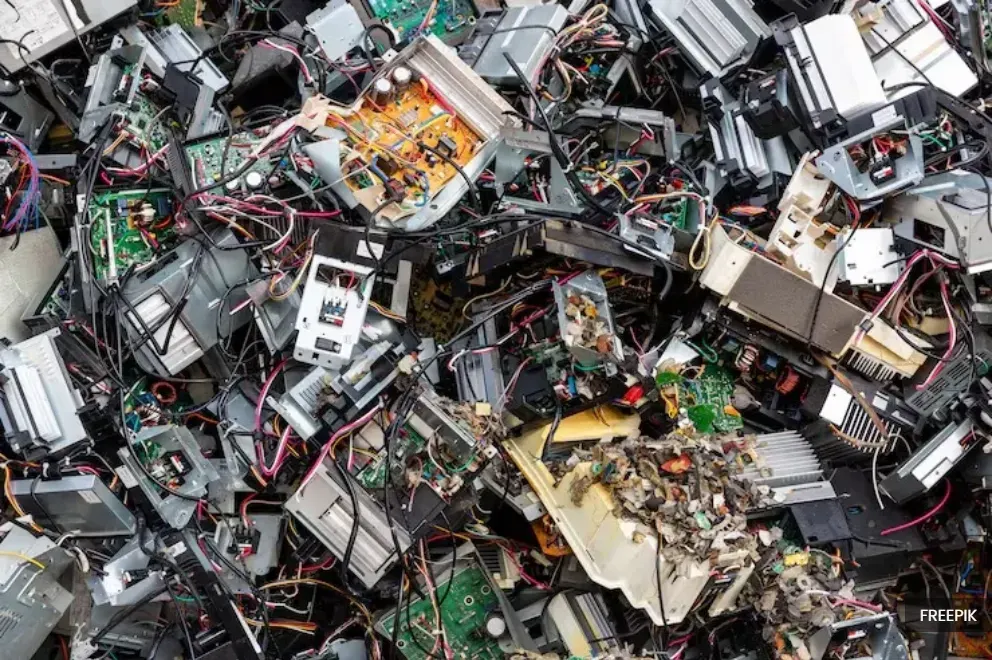


SHAH ALAM, June 4 — Smartphones, computers, photocopying machines, printers, and even refrigerators are among the electronic waste (e-waste) or scheduled waste being brought into Malaysia.
These prohibited items contain hazardous metals such as mercury and lead that pollute the environment, and are imported for the extraction of valuable materials such as gold, silver, and copper.
Port Klang is one of the entry points for these goods, and at present, more than 700 containers containing e-waste and other prohibited materials are being returned to their countries of origin or to the exporting nations.
The entry of these prohibited goods was detected by the Malaysian Border Control and Protection Agency (AKPS) at Port Klang in collaboration with other enforcement agencies.
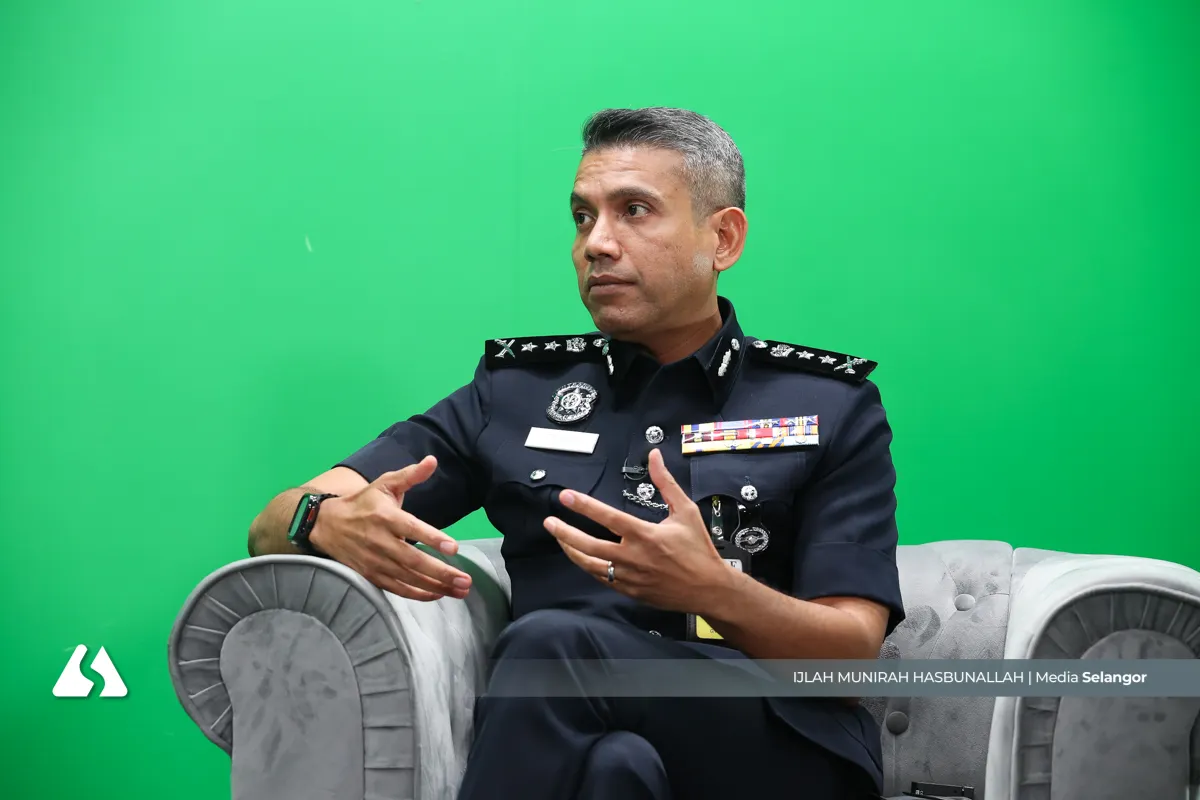
Its Entry Point Commander DCP Datuk Nik Ezanee Mohd Faisal said e-waste poses a major threat to the country, not only to the environment but also to public health and the economy if not properly managed.
“E-waste has been included in the list of prohibited imports and is not permitted to enter the country.
“The best course of action is therefore to send it back to its country of origin,” he said during the 'Bicara Semasa' programme produced by Media Selangor last month.
Since assuming the post on January 12, Eaznee said that during the early stages, six out of every 10 containers inspected were found to contain e-waste.
This already indicated that even with a relatively small inspection scale, the detection rate reached 60 per cent.
Since then, AKPS, working alongside other agencies, has detained hundreds of containers, and those confirmed to contain e-waste are returned to their countries of origin.
Between January 27 and May 19, inspections identified 330 containers as containing e-waste, and enforcement actions resulted in 101 containers being repatriated.
“This success demonstrates the commitment and firmness of enforcement agencies in ensuring Malaysia does not become a destination for the illegal disposal of international electronic waste,” he said.
Ezanee added that materials which go undetected or slip through inspections could have serious consequences for society and the nation.
“I read a study stating that one tonne of e-waste can yield between 160g and 300g of gold, but at the same time leaves behind more than 500kg of material that cannot be safely disposed of.
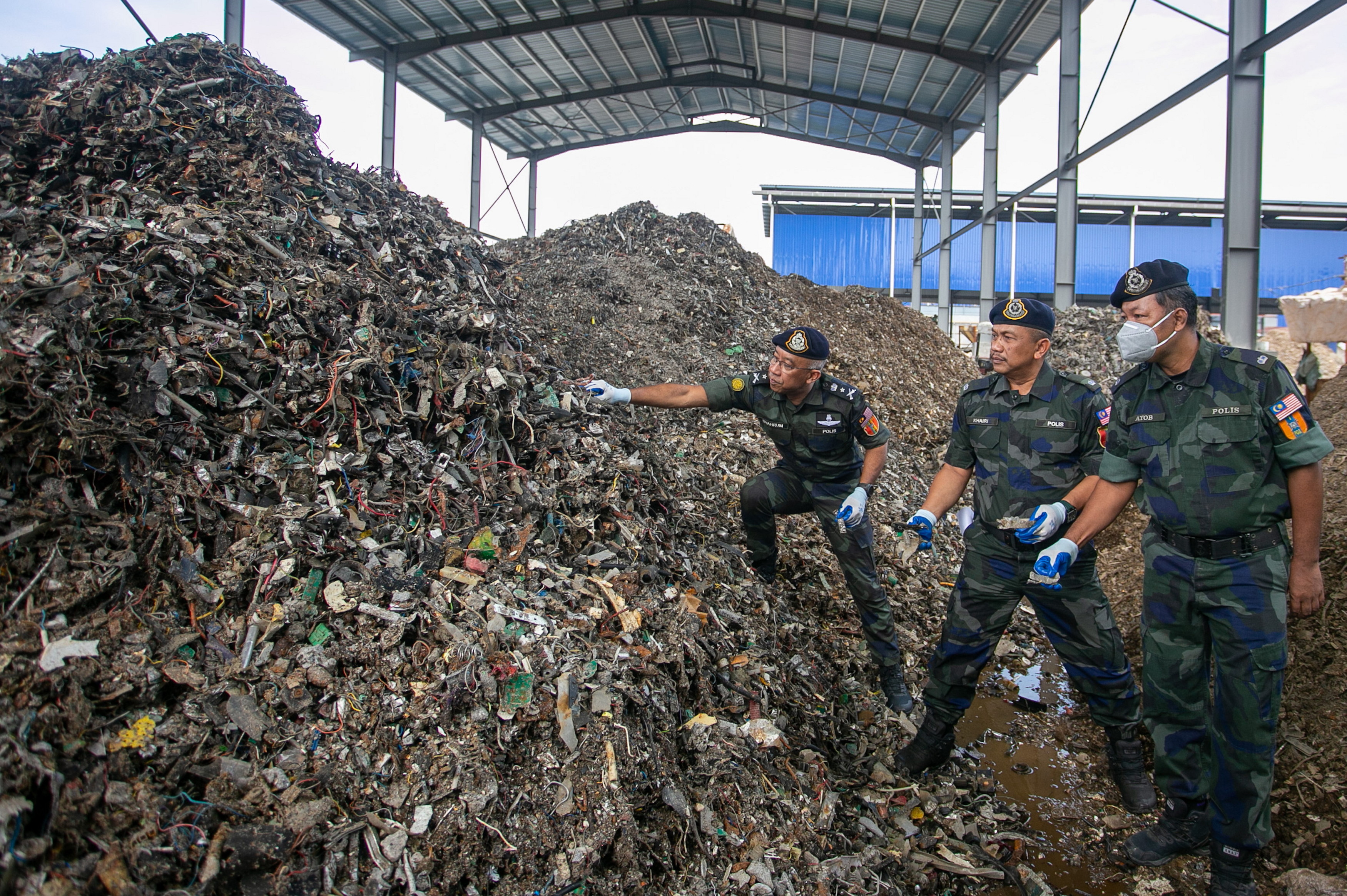
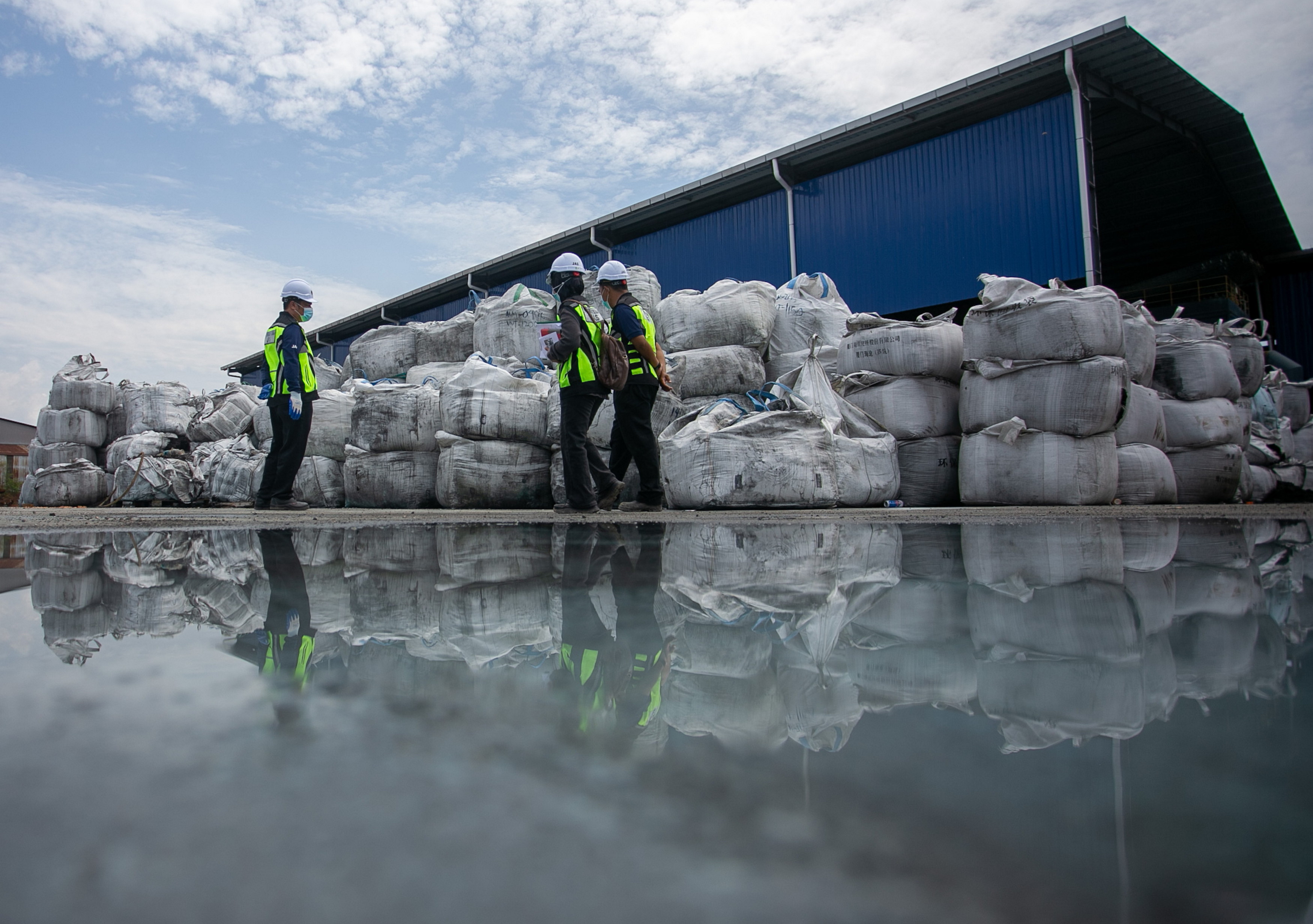
“Imagine that we have already detained more than 7,000 tonnes of e-waste. Where are we going to dispose of all of it? Even if it is disposed of here, the hazardous waste remains.
“Furthermore, there are illegal factories processing e-waste. After extracting valuable elements such as gold, silver and copper, the remaining toxic materials, including mercury and lead, are discarded indiscriminately. This issue is therefore not only an economic concern but also a major threat to the environment and public health,” he said.
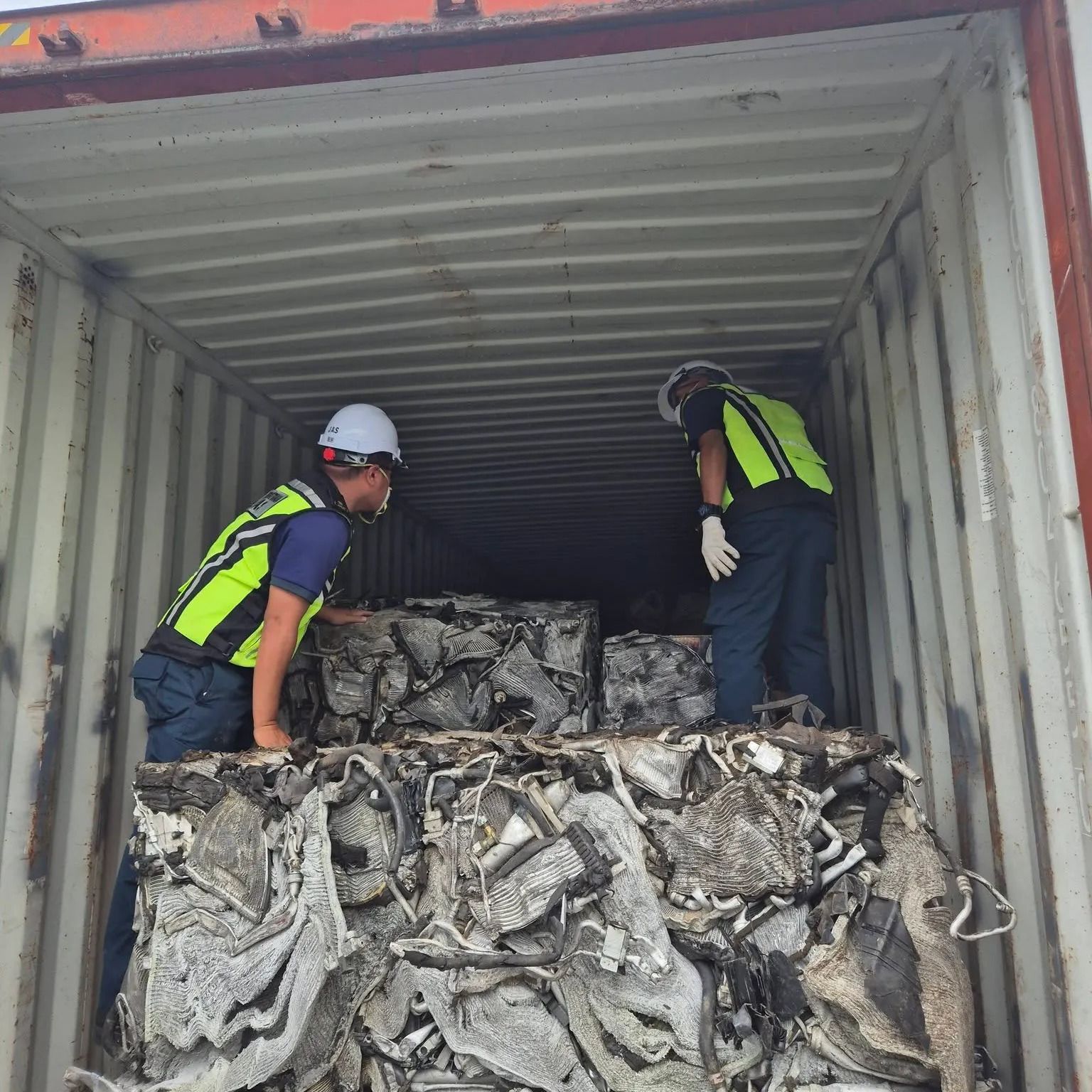
Container inspection procedures
At present, inspections of containers entering through Port Klang are conducted manually by AKPS. After receiving official cargo documents or manifests from operators, they review the country of origin and the container's declared contents.
“Most declarations state that the cargo consists of used electronic goods, recycled plastics, or plastic waste. These are among the categories frequently used to deceive authorities when the actual contents are e-waste.
“We conduct risk assessments and identify companies that frequently import problematic containers. If a company has already been identified as high-risk, every one of its containers is subjected to more thorough inspections.
“In addition, we receive intelligence from members of the public. Much of the information we receive is highly accurate, not only regarding e-waste but also other forms of smuggling, such as chicken meat accompanied by questionable halal certificates,” Ezanee said.
He noted that AKPS's systems are still not fully developed as it is a relatively new agency, but this is no excuse for failing to act or carry out its duties, and improvements will continue to be made over time.
If e-waste remains at the port, the agency will begin returning it to its country of origin. However, if a container manages to leave the port, the Royal Malaysia Police (PDRM) will take action.
“We constantly share information. If I receive intelligence regarding illegal factories or e-waste storage sites outside the port, I will pass it to the police for raids and seizures.
“The reality is that more than 15 million containers moved in and out last year. It is simply impossible for us to monitor every single one comprehensively at this stage,” Ezanee said.
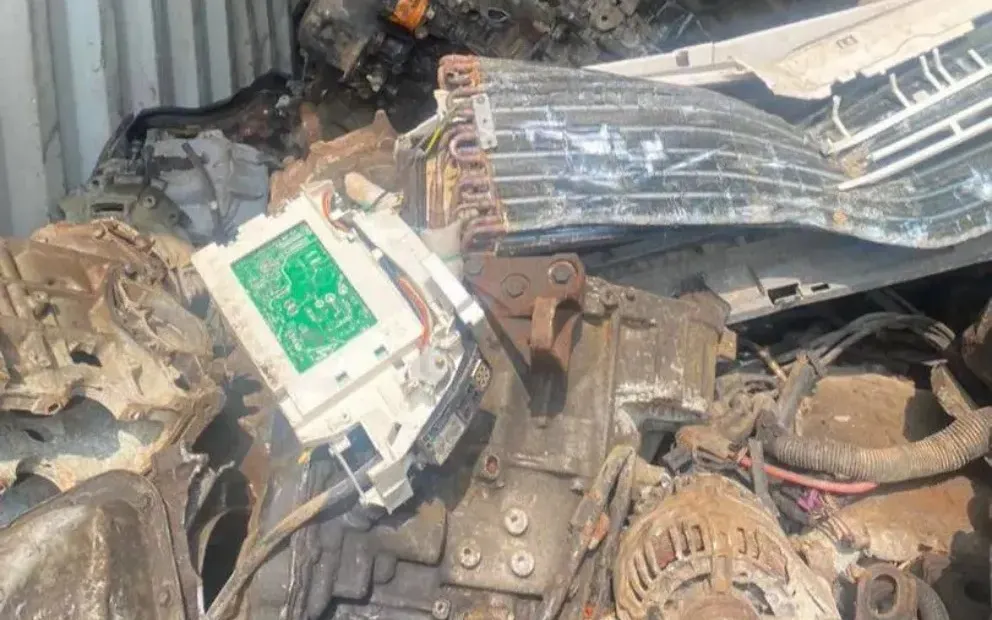
Inter-agency cooperation strengthens national border security
AKPS also works closely with other enforcement agencies, including the Royal Malaysian Customs Department, the Environment Department (DOE), the Port Klang Authority (PKA), SIRIM Berhad, and the Malaysian Anti-Corruption Commission.
It also collaborates with the PDRM, the Immigration Department, the Quarantine and Inspection Services Department, and the Health Ministry.
Cooperation with other agencies has been excellent, and the relationships among them continue to strengthen.
“At the beginning, it was difficult because each agency had its own way of working, but as we met more frequently and sat together at the same table, the relationship gradually improved.
“We all agree that e-waste poses a major threat to the country; it has been included in the list of prohibited imports and cannot be allowed into Malaysia. Therefore, the best decision is to send it back to its country of origin,” he said.
At present, AKPS does not yet have its own investigating officers, despite legislation allowing the agency to conduct investigations.
“At Port Klang, we do not yet have dedicated investigating officers, operations officers or intelligence officers. However, I have begun training existing officers
“For example, some officers who previously only manned the gates are now being trained in intelligence work. Intelligence at the port is not about being a ‘spy’, but rather analysing manifests, reviewing documents, and identifying inconsistencies,” Ezanee said.
For formal investigations, the agency works with the Customs Department, which has its own investigation teams. Any intelligence related to smuggling is channelled directly to the department for further action.
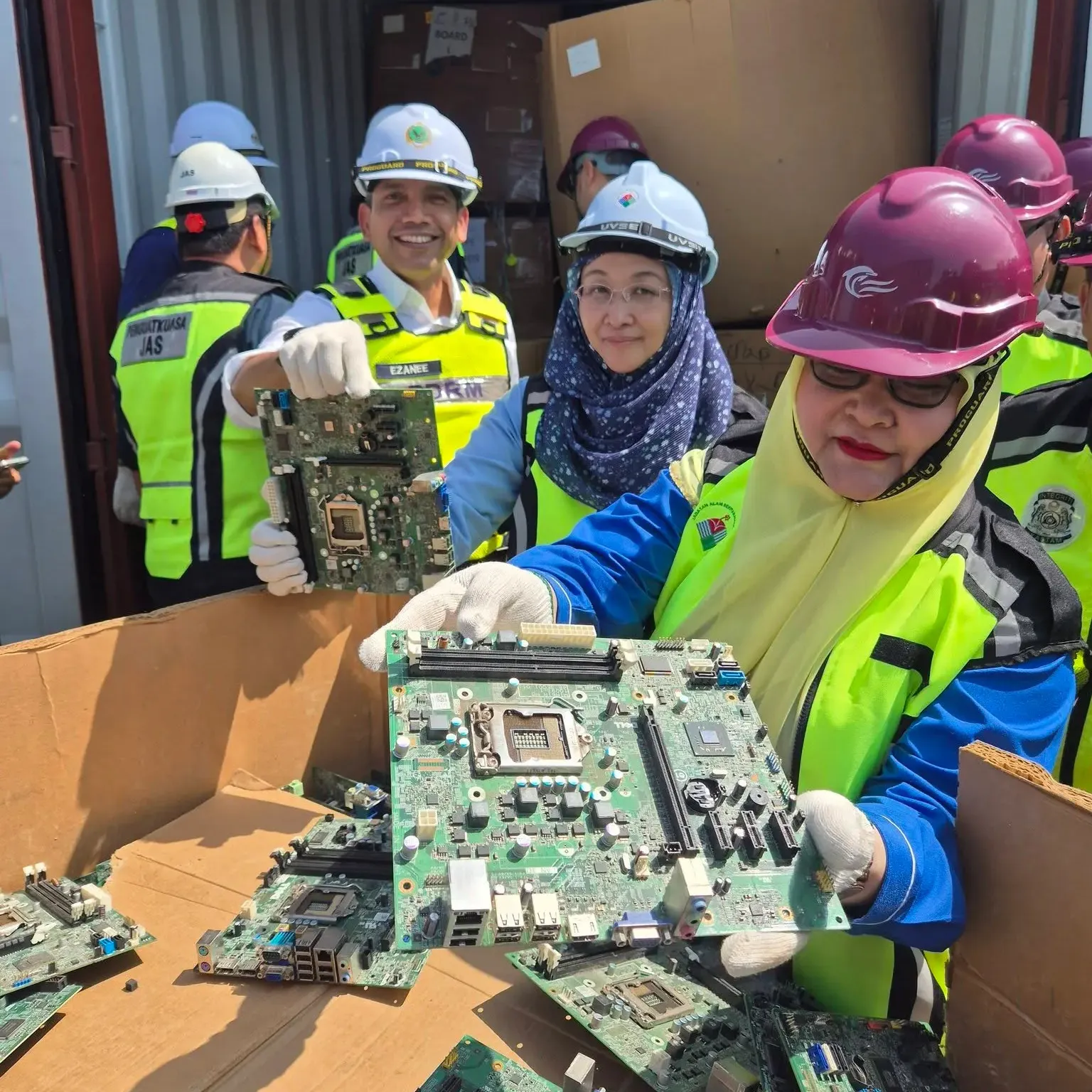
“In my view, there is no benefit in agencies protecting their own turf or egos. What matters is the security of the port and the integrity of the nation.
"If we do not cooperate, the smugglers will be the ones who benefit. That is why I adopt an open approach.
"Wherever AKPS can assist, we do so. If we do not have enough personnel, we seek assistance from Customs, as the important thing is that operations run smoothly,” he said.
Ezanee opined that cooperation between agencies plays a crucial role and depends greatly on the attitudes of officers within those agencies.
“If we are genuinely working for the security of the country, we no longer concern ourselves with rank or which agency is superior. If all parties can sit together and focus on their respective strengths, many problems can be resolved much more quickly,” he said.
A Joint Task Force has been established at Port Klang, involving multiple agencies, enabling swift, efficient decision-making.
Over the past few months, Ezanee has witnessed significant improvements, particularly in coordination, reporting, and operational effectiveness.
“To date, inspections and enforcement actions have involved goods with a trading value of RM51 million within just four months. As for e-waste, more than 7,000 tonnes have been detained.
"None of this is the result of my efforts alone, but rather the cooperation of AKPS, the Selangor DOE, Selangor Customs, SIRIM, the PKA, and numerous other agencies.
“My hope is that strategic cooperation among all relevant agencies will continue to be strengthened to ensure that security controls and enforcement at the nation’s entry points remain at the highest level, protecting the environment, national security, and the well-being of the people,” Ezanee said.