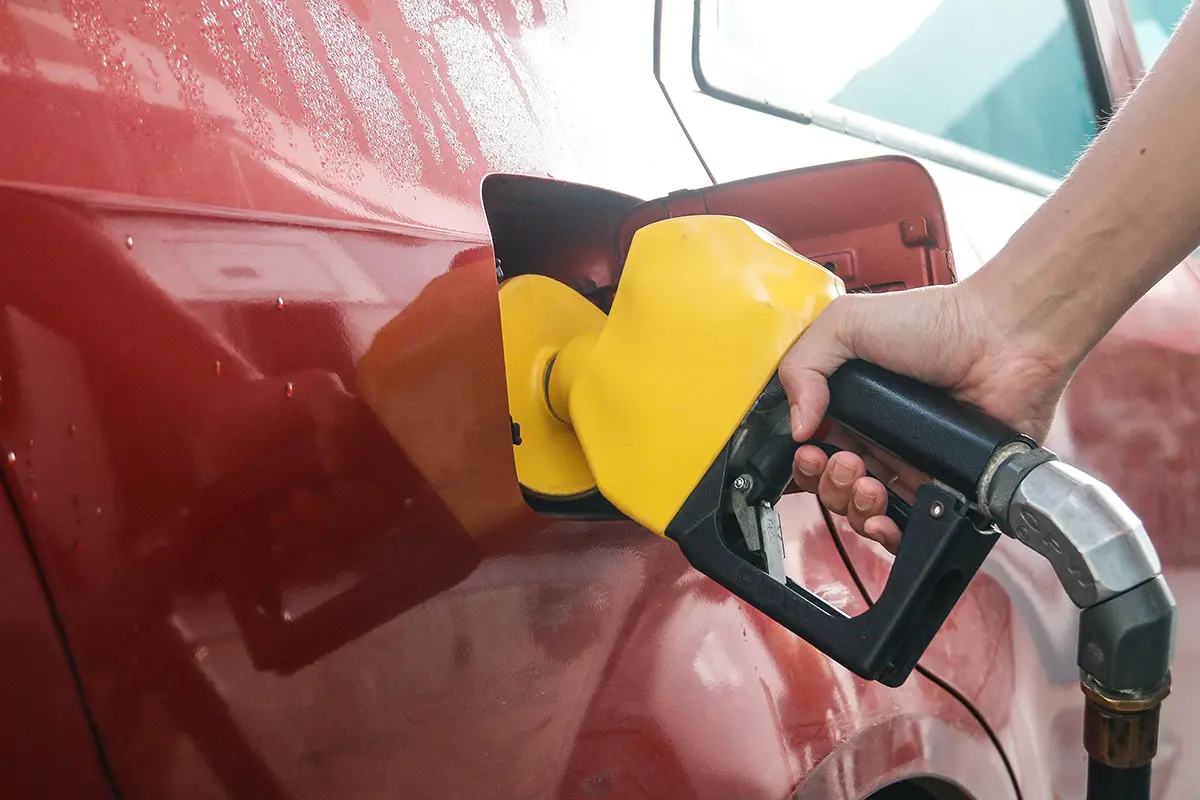
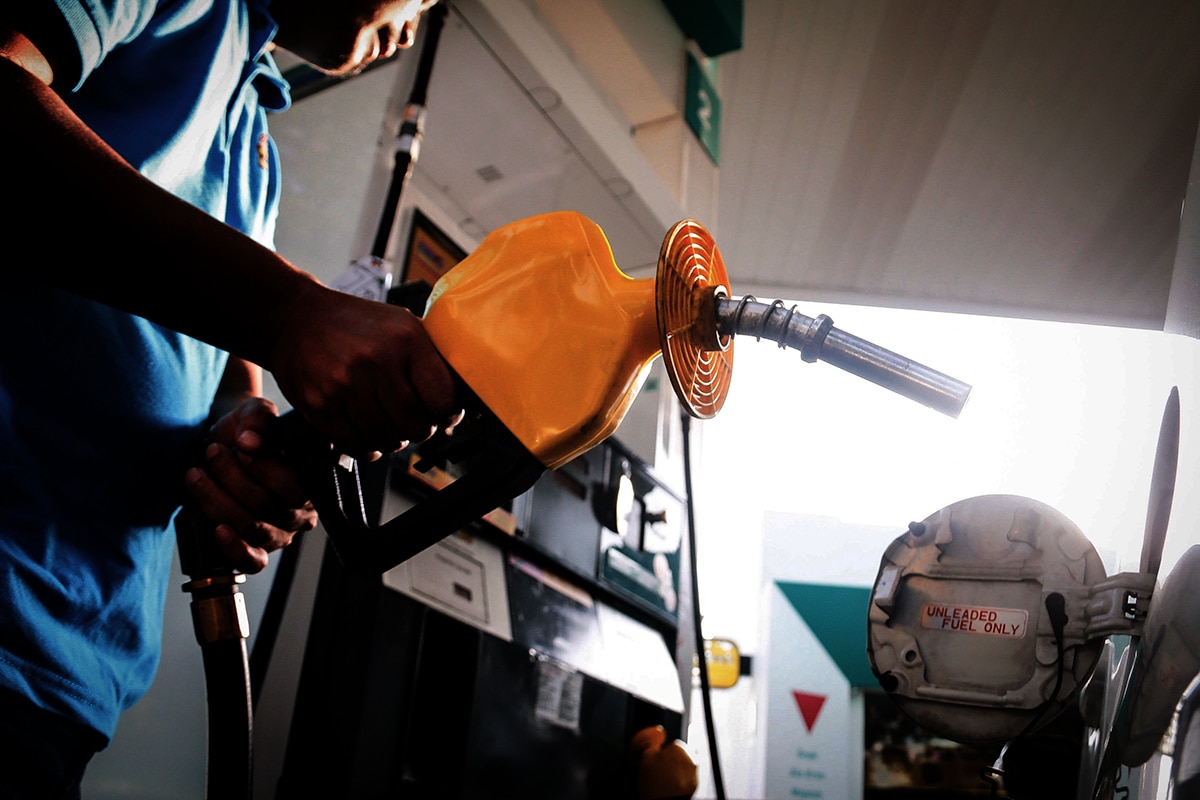
KUALA LUMPUR, June 3 — RON97 and unsubsidised RON95 in Peninsular Malaysia will cost 30 sen less at RM4.35 and 20 sen less at RM3.72 per litre, respectively, from tomorrow to June 10.
In a statement today, the Finance Ministry (MOF) said diesel in Peninsular Malaysia would cost 20 sen less at RM4.67 per litre in the same period.
According to MOF, the retail price adjustment is in line with the Automatic Pricing Mechanism (APM) formula for the week, which was lowered following a decline in average international market prices the previous week.
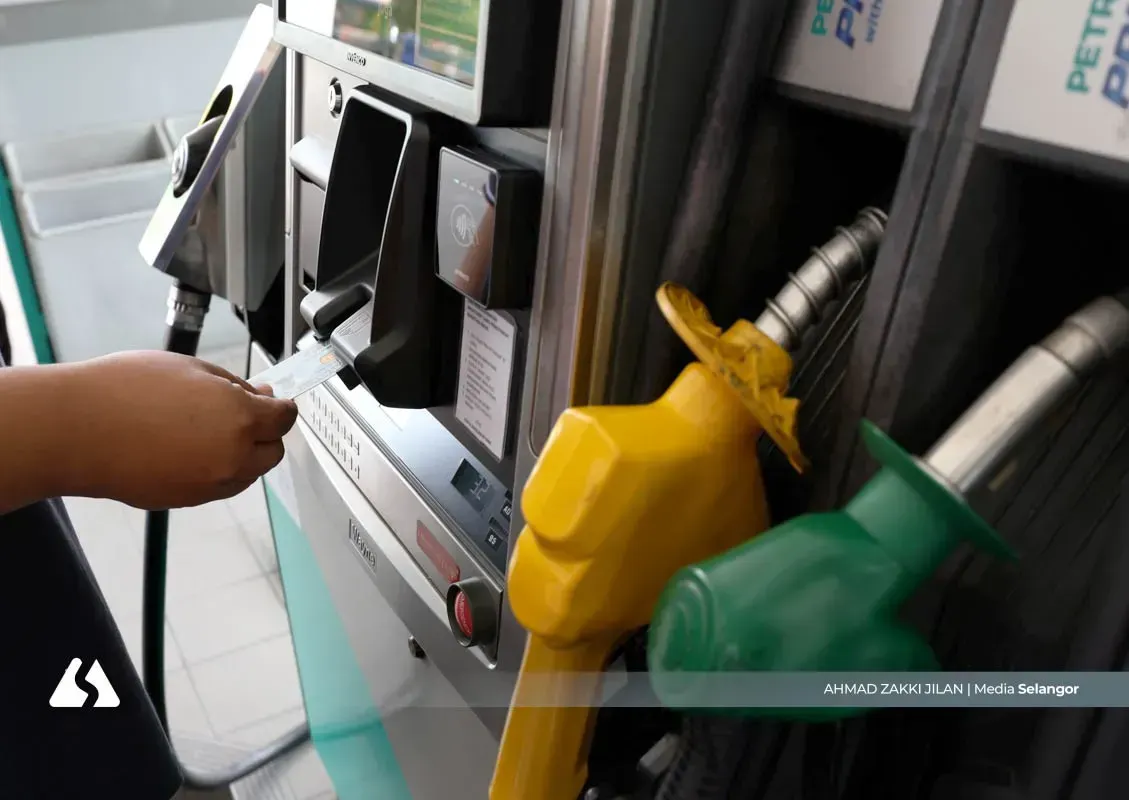
During the same period, the Madani Government will maintain targeted subsidies including BUDI95, under which RON95 still costs RM1.99 per litre, diesel in Sabah, Sarawak and Labuan at RM2.15 per litre, the Subsidised Petrol Control System (SKPS) at RM2.05 per litre, and the Subsidised Diesel Control System (SKDS) at RM2.15 per litre.
The ministry said that at the current unsubsidised RON95 price of RM3.72 per litre, the 200-litre quota under BUDI5 is valued at RM744.
“This means the Madani Government is bearing up to RM346 for each recipient using the full BUDI95 entitlement. However, with a monthly entitlement ceiling of up to 200 litres, BUDI95 recipients will pay only up to RM398 per month for full use of the quota.
“The unsubsidised diesel price of RM4.67 per litre is more than double the subsidised price of RM2.15 per litre, which helps reduce the impact of diesel prices on the people through public transport costs and consumer goods logistics,” read the statement.
MOF said the decrease in retail prices this week did not reflect a stable global petroleum market, but rather the risk that crude oil and petroleum product prices would remain high in the medium term due to the West Asia conflict.
“Recently, major importing countries in Asia have had to increase their purchases of crude oil from alternative sources to offset supply disruptions from West Asia. Although crude oil imports from the United States to Asia have risen to record levels, the increase remains insufficient to replace the loss of supply through affected major trade routes.
“The situation shows that the global petroleum market is still facing physical supply constraints, despite the average market price recording a decline in the previous week. If the conflict continues, the risk of global inventory depletion and supply shortages could put new pressure on crude oil and petroleum product prices in the coming period,” said MOF.
In this regard, the Madani Government has called on the people to practise prudent fuel consumption to ensure the country’s supply security.