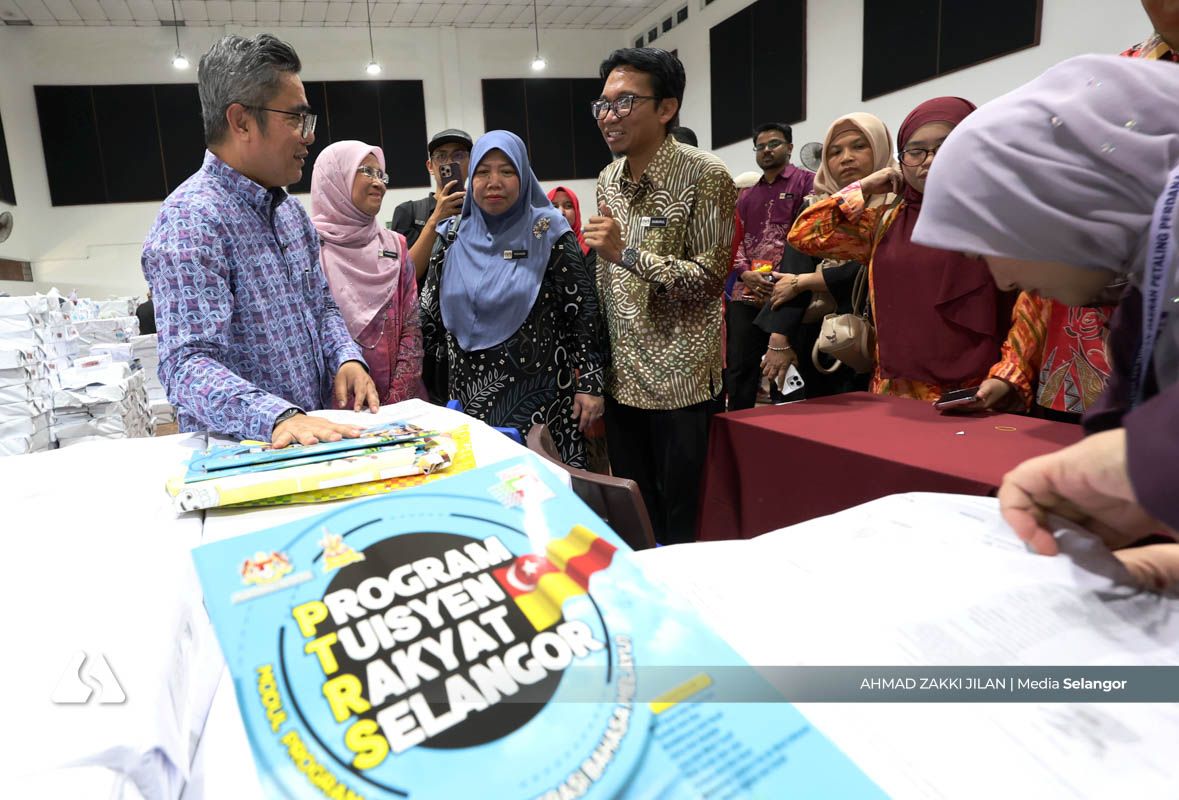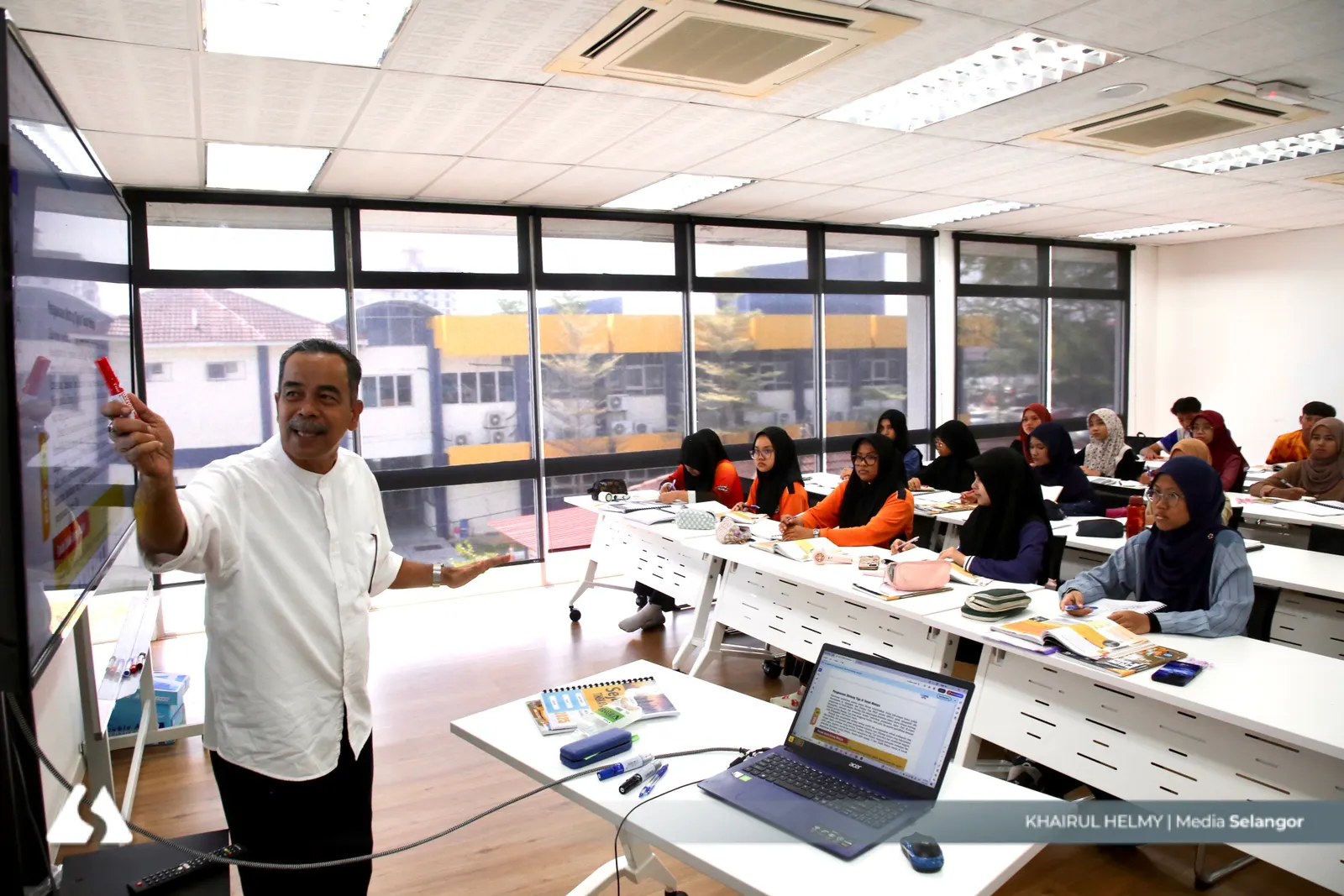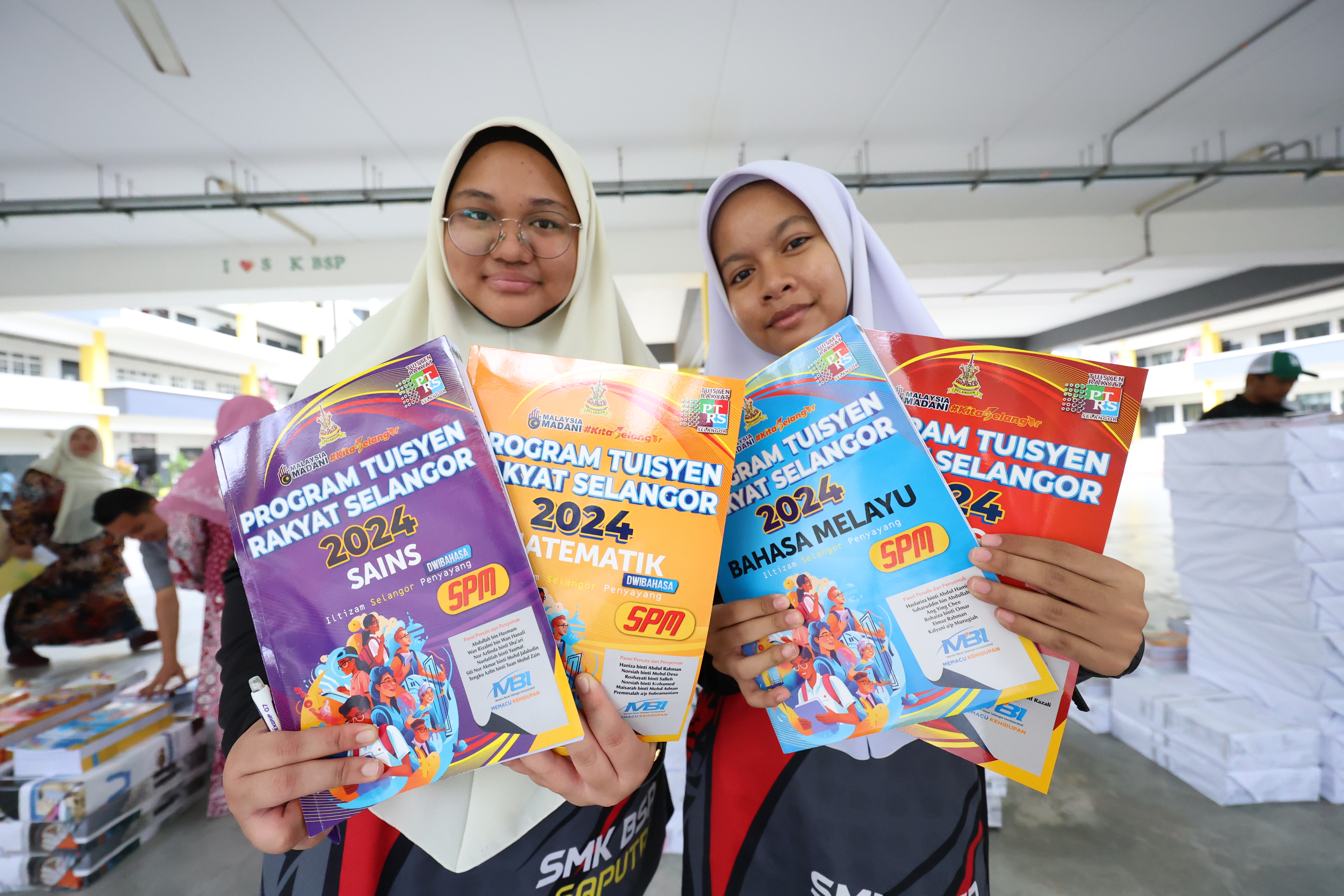
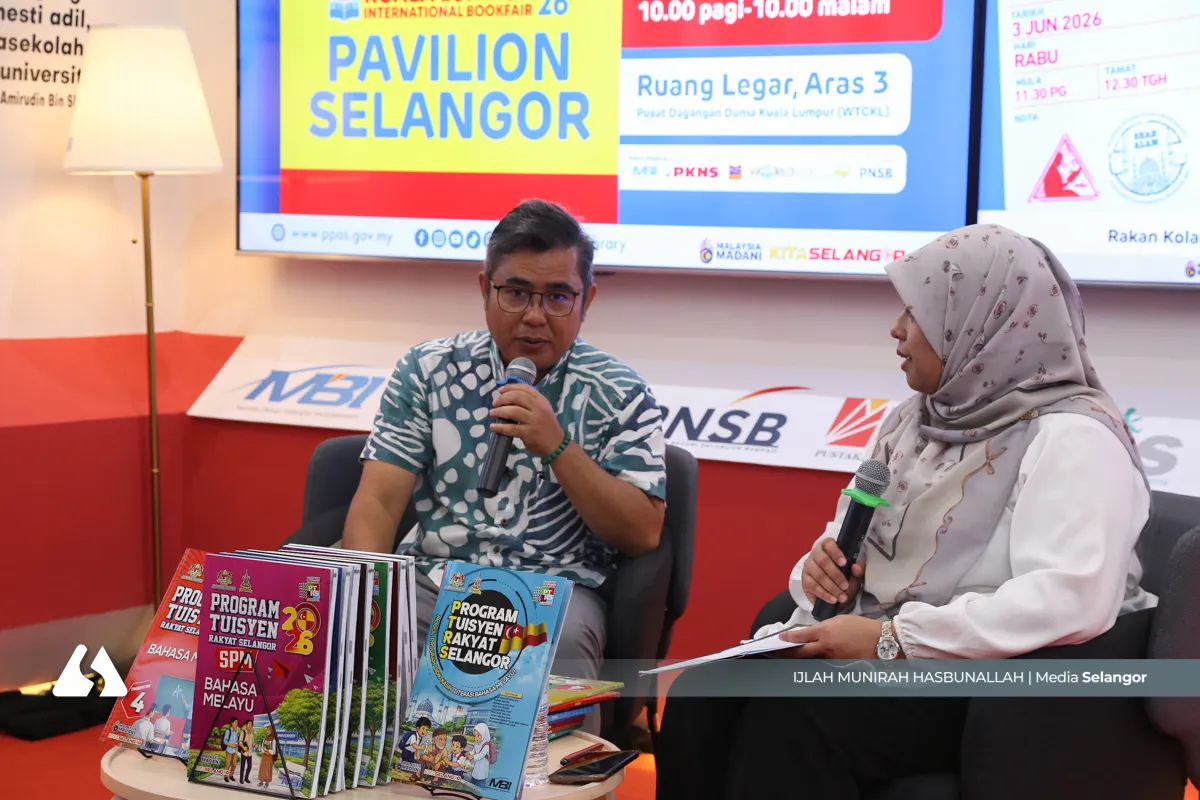
KUALA LUMPUR, June 3 — The Selangor People’s Tuition Programme (PTRS) and Didik Kasih Programme (PDK) has helped boost students’ academic performance and reduce the number of pupils needing remedial lessons in the state.
Yayasan Menteri Besar Selangor (Incorporation), or MBI, head Ahmad Azri Zainal Nor said the effectiveness of both programmes is apparent with the improved State Grade Average from last year’s Sijil Pelajaran Malaysia (SPM).
He added that PTRS targets Form 4 and 5 students to prepare them for SPM, while PDK helps pupils master basic literacy and numeracy.

“Through (PDK), about 17,000 pupils have undergone remedial lessons with two special models developed to strengthen their basic reading, writing and arithmetic skills.
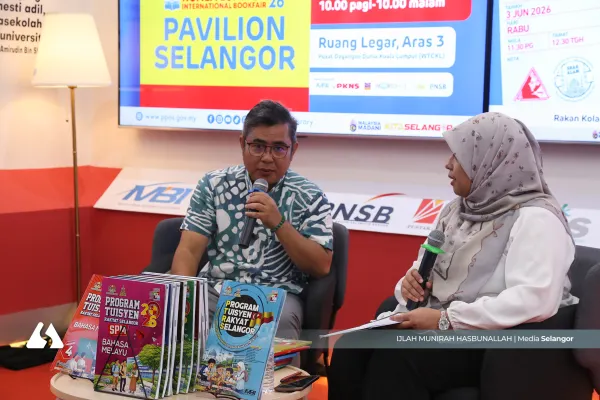
“Thanks to this programme, we have seen that the rate of pupils needing remedial classes is going down, while overall academic achievement is showing positive growth,” Azri told Media Selangor when met at the Kuala Lumpur International Book Fair at World Trade Centre Kuala Lumpur here today.
Azri said around 160,000 secondary school students and 20,000 primary school pupils have benefited from various education initiatives by the state government under Yayasan MBI.
He added that besides receiving free learning modules, participants may attend tuition classes with guidance from eligible teachers who are granted a special allowance.
“Students who attend these classes are also given free meals to ensure they can study in a more comfortable and conducive manner,” he said.
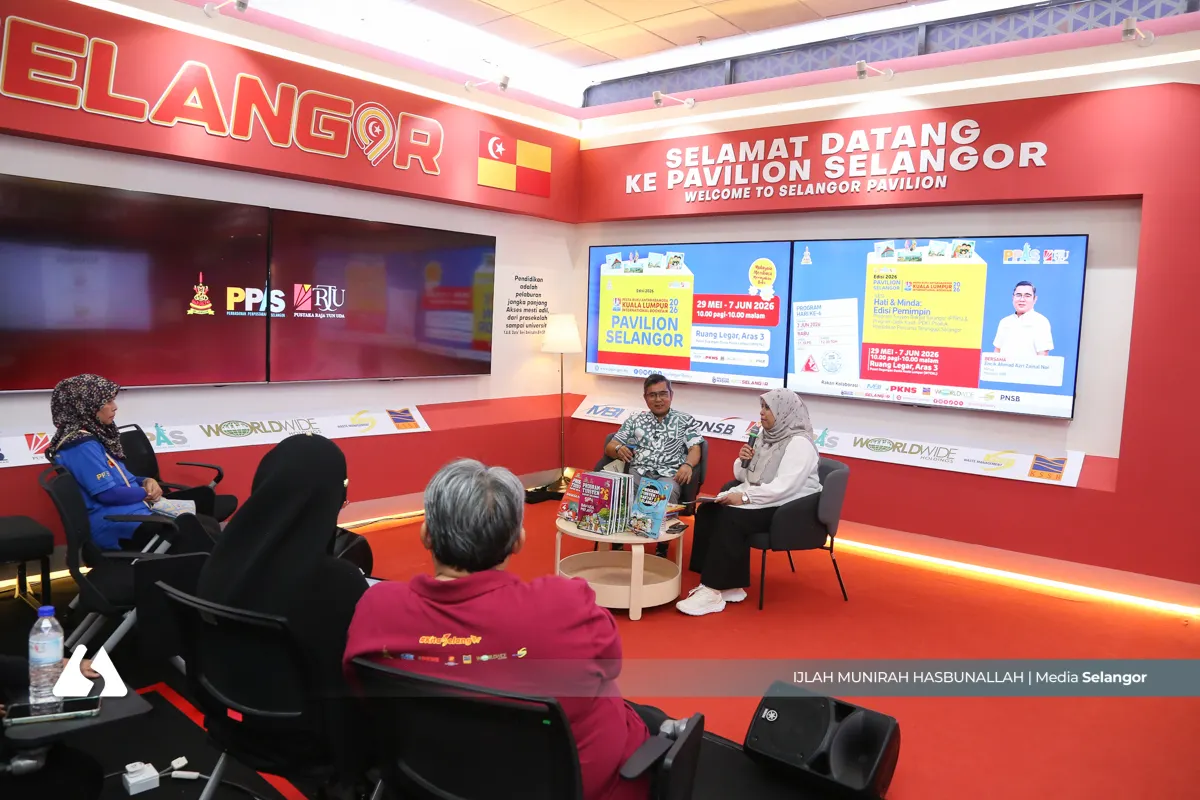
Azri also said students who want to join PTRS must attend school in Selangor and are Forms 4 or 5, while eligibility for tuition classes are reserved for children from households with incomes under RM4,000.
According to him, reception for the programmes continue to be encouraging, with continuous support from parents who have seen for themselves the impact of PTRS and PDK on their children’s academic performance.
“The main challenge is to manage a large number of students, but Yayasan MBI has a specific monitoring system to continuously assess the programmes’ achievements and effectiveness,” Azri added.