BANGKOK, June 3 — Cambodia is betting on a little-used United Nations (UN) arbitration process known as "compulsory conciliation" to resolve a long-running maritime boundary dispute with Thailand and unlock what it says are billions of dollars in potential oil and gas resources.
What is the Cambodia-Thailand dispute about?
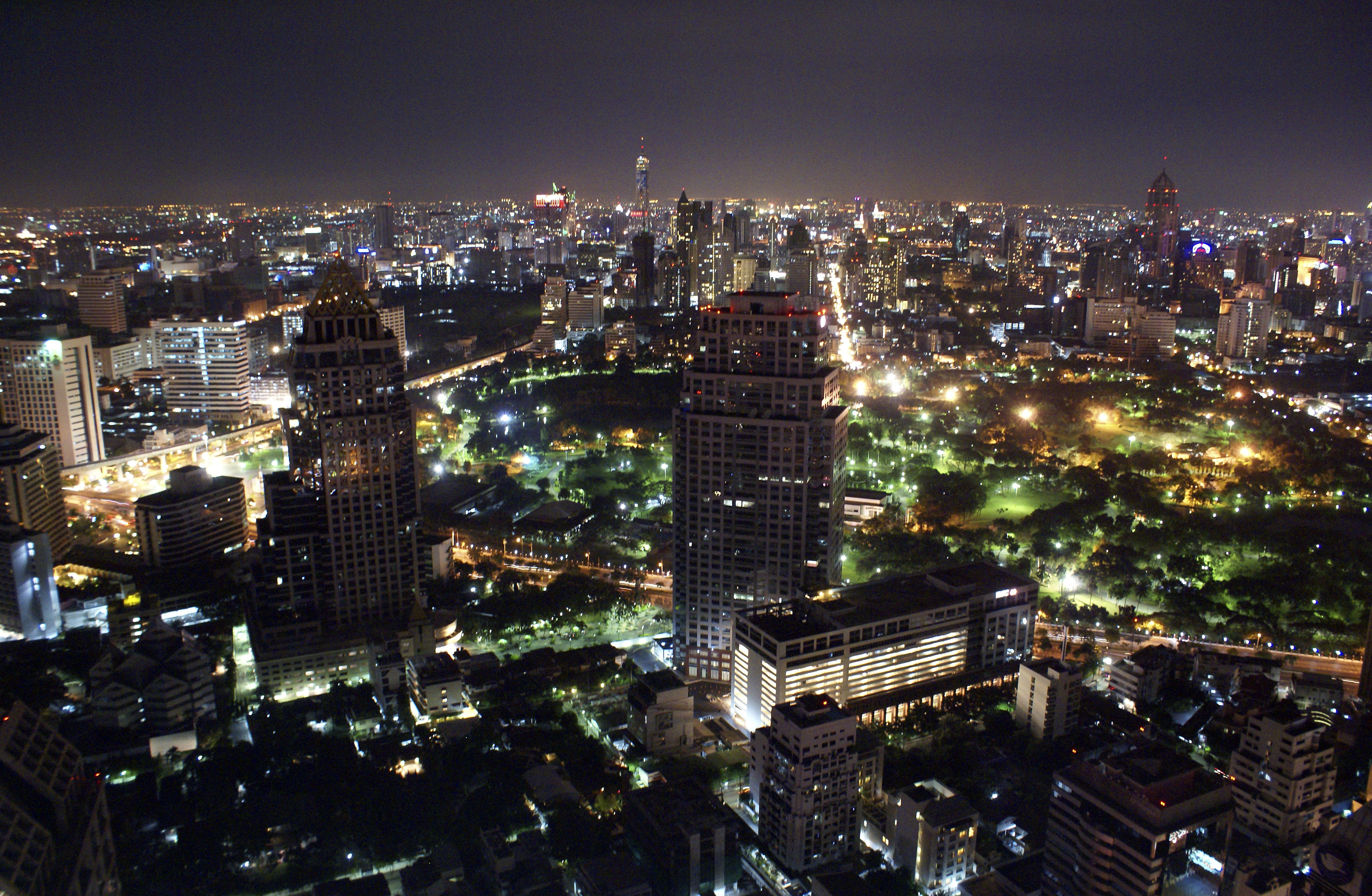
For more than 25 years, Cambodia and Thailand have both laid claim to about 26,000 sq km of sea in the Gulf of Thailand.
The disputed maritime belt is estimated to hold nearly 12 trillion cubic feet of natural gas and large quantities of oil, valued at about US$300 billion (RM1.19 trillion).
In 2001, the Southeast Asian neighbours signed a pact to develop a framework for jointly exploiting energy resources in the so-called "overlapping claims area".
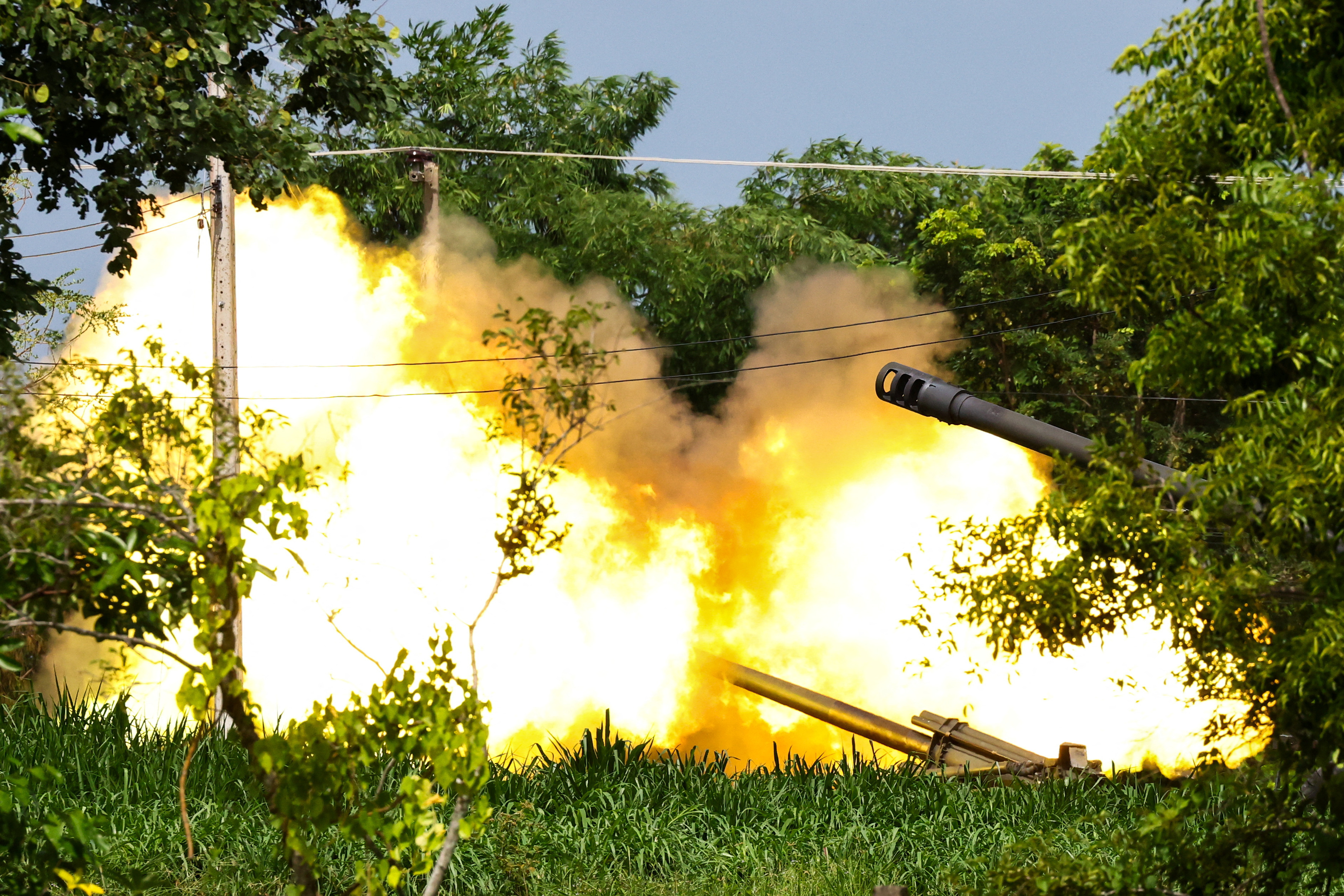
However, Bangkok terminated the agreement with Cambodia last month, fulfilling an election pledge made by Thai Prime Minister Anutin Charnvirakul, following two rounds of deadly conflict along a disputed land border last year.
What is compulsory conciliation?
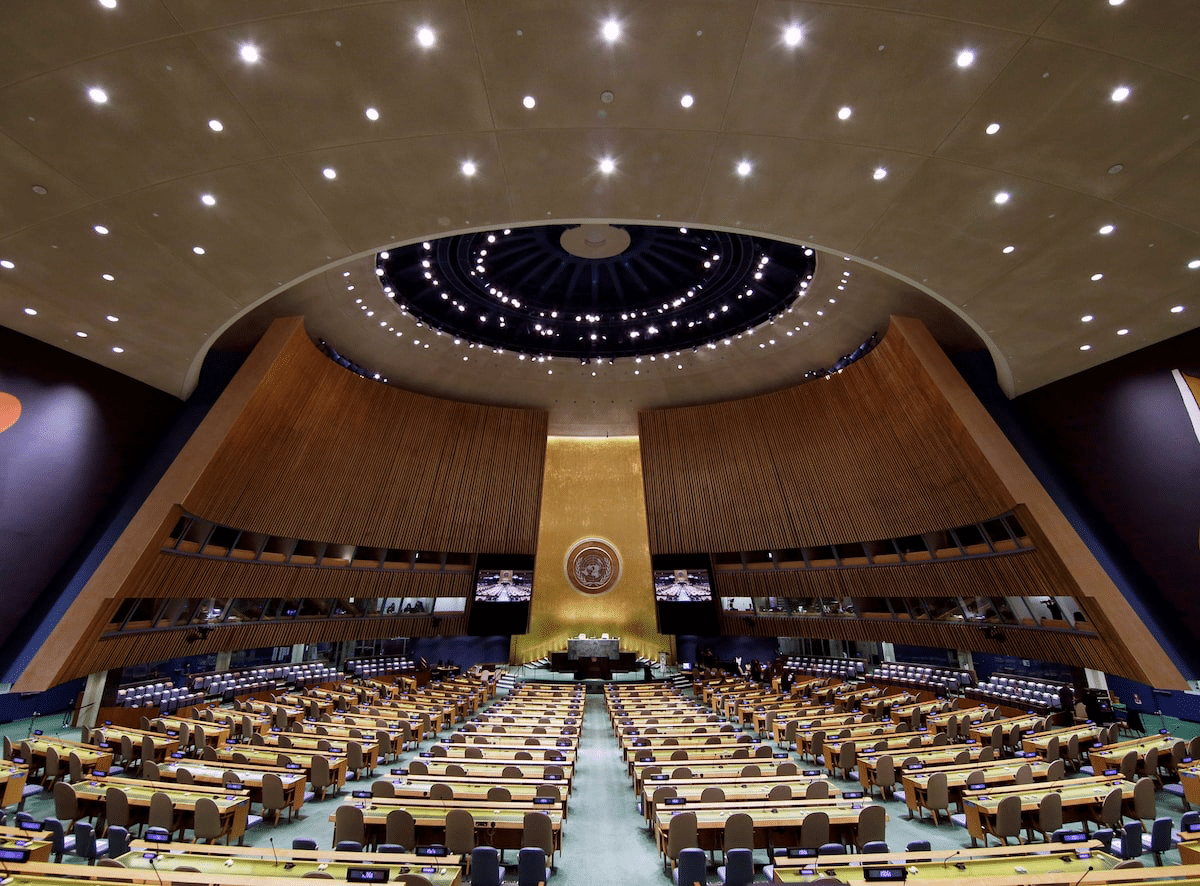
Yesterday, Cambodia announced it had launched a compulsory conciliation process under the United Nations Convention on the Law of the Sea (UNCLOS).
Compulsory conciliation is a dispute resolution mechanism that any signatory to the convention can initiate against another.
Each country appoints two conciliators to a panel known as the Conciliation Commission, which then selects a fifth member to act as chair.
The commission will investigate the facts and legal position of each state to deliver a set of non-binding recommendations, which will also be sent in a report to the UN Secretary General.
Has it been used before?
So far, the UN-backed mechanism has been used only by East Timor, also known as Timor-Leste, to successfully resolve a decades-long maritime dispute with Australia.
Dili formally started the process on April 11, 2016, by issuing a notice to Canberra, which agreed to join the process only weeks later.
In early March 2018, following less than two years of negotiations, the two countries signed a maritime boundary treaty at the UN headquarters, in the presence of the UN chief.
What is next in the process?
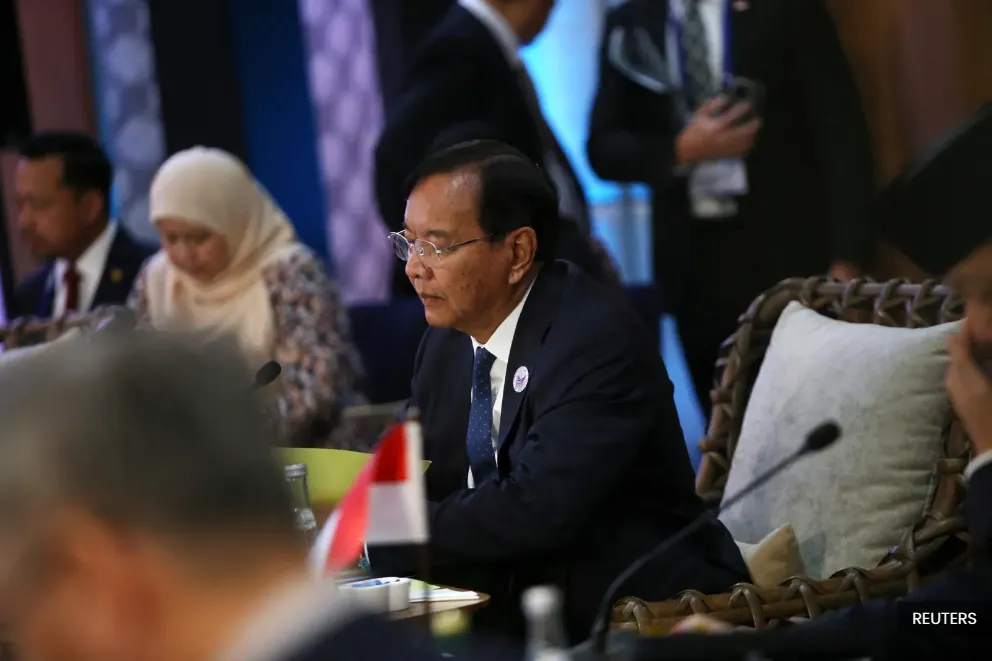
Cambodia has delegated its Foreign Minister Prak Sokhonn to act as its agent for the proceedings, while also appointing Danish diplomat Peter Taksøe-Jensen and French academic Jean-Marc Thouvenin to the Conciliation Commission.
Taksøe-Jensen chaired the commission that undertook the negotiations between East Timor and Australia.
A Cambodian government statement said that Thailand has 21 days from the date of receipt of the notice to appoint its conciliators, failing which Phnom Penh may request that the UN Secretary-General appoint them on Bangkok's behalf.
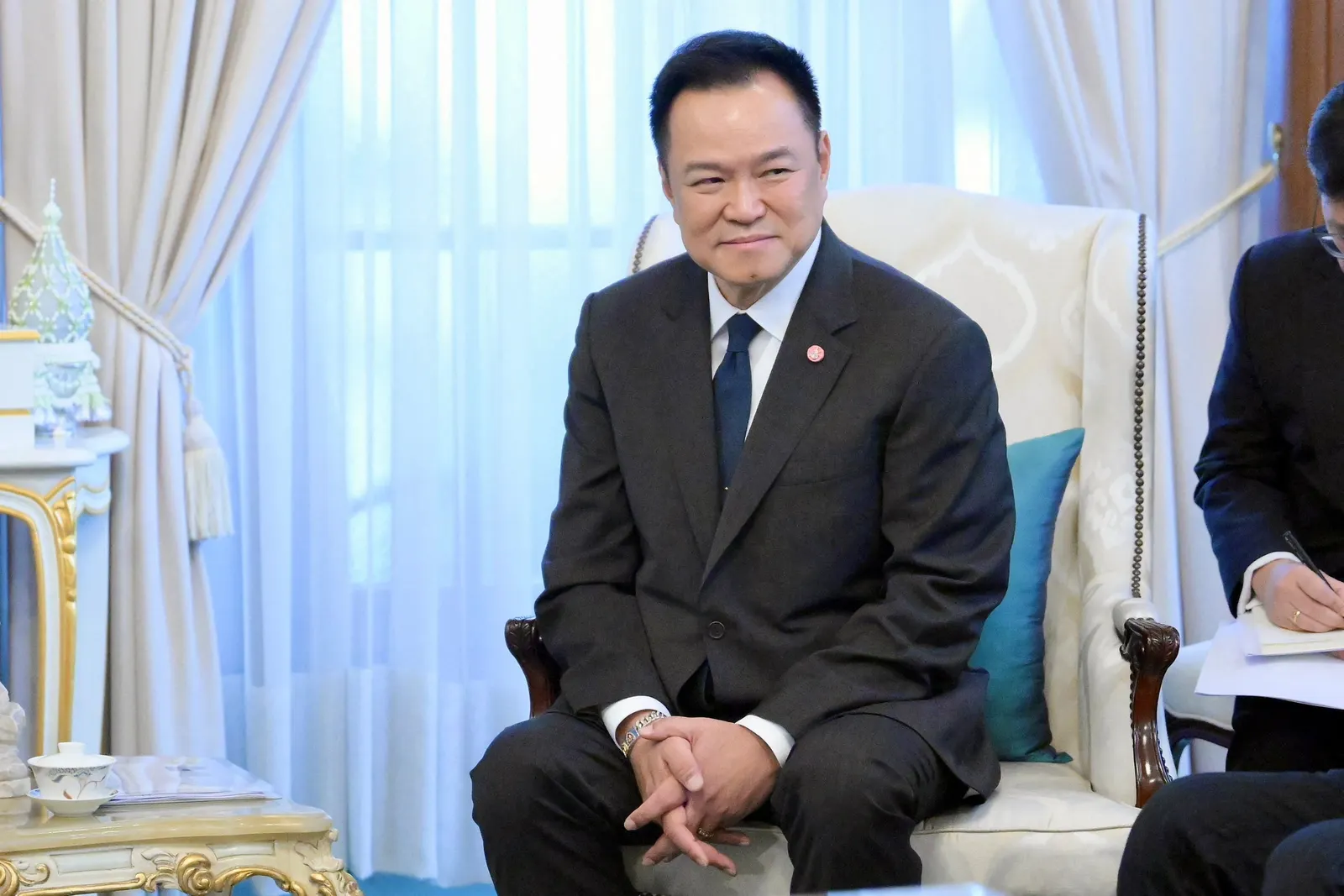
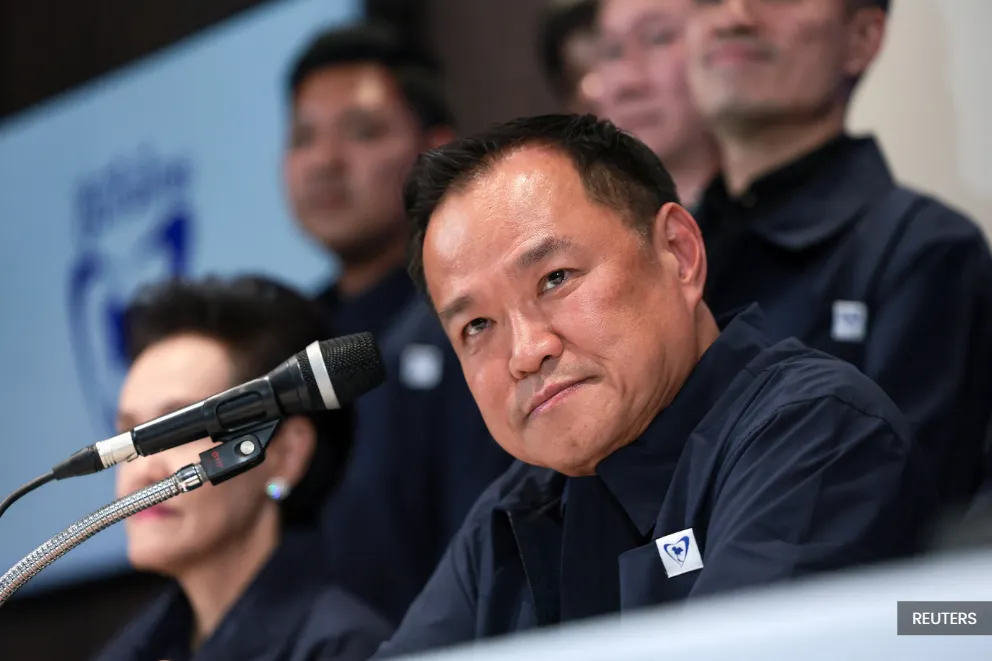
Yesterday, Anutin said he was unaware that Cambodia had initiated the compulsory conciliation process, adding that his government would utilise UNCLOS principles in its next actions.
Speaking to the press, he said that Thailand has not yet determined when it will proceed further.
After four members of the commission are appointed, they must select a chairperson within 30 days before commencing further proceedings.