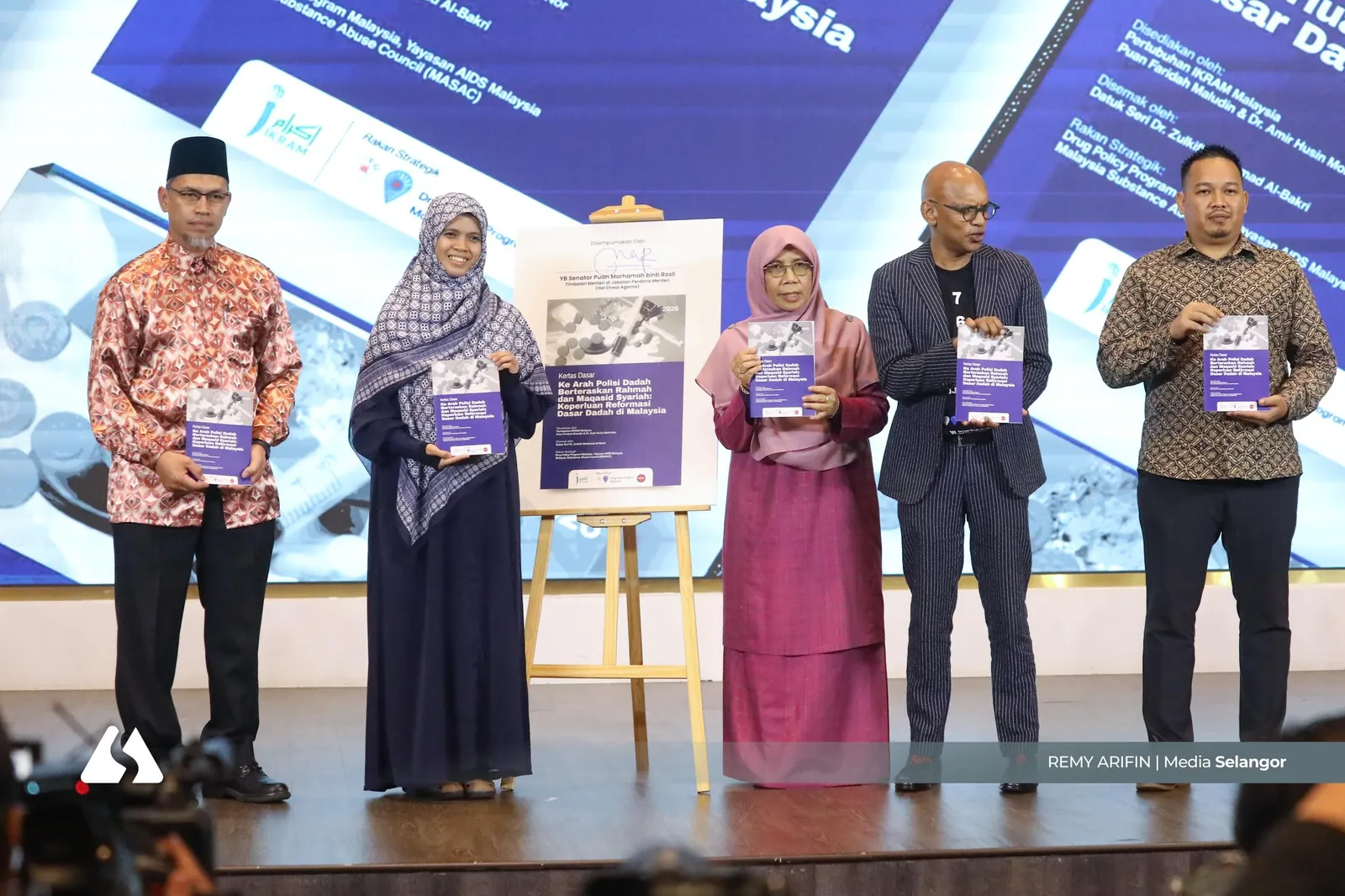
KUALA LUMPUR, June 1 — The government has opened discussions on reforming the nation’s drug policy by emphasising a more balanced approach that prioritises treatment and rehabilitation for individuals affected by addiction, while maintaining strong efforts in prevention and enforcement.
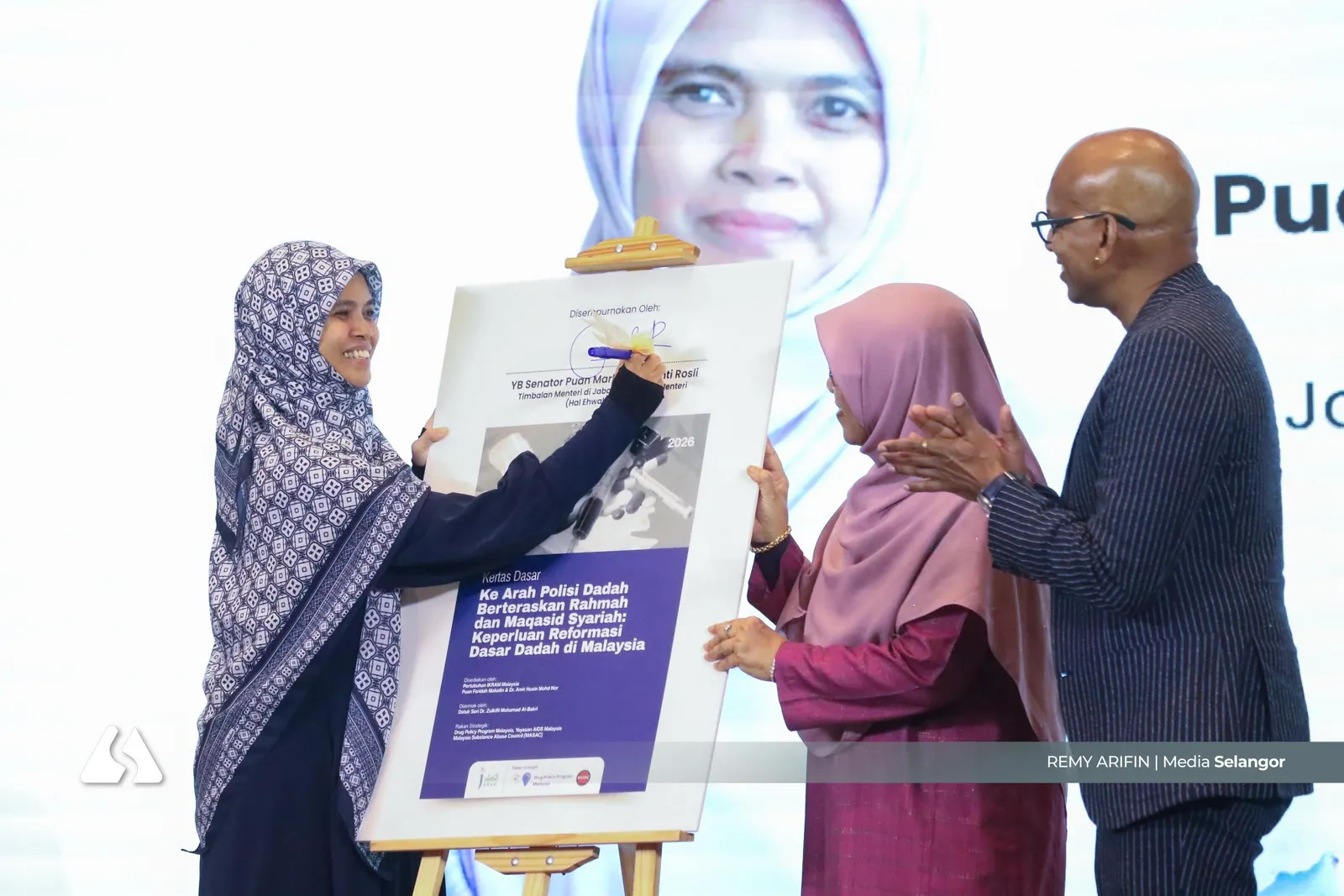
Deputy Minister in the Prime Minister’s Department (Religious Affairs) Datuk Marhamah Rosli said the launch of the Working Paper Towards a Drug Policy Based on Rahmah and Maqasid Syariah was not intended to legalise drug use, but rather to gather views from various stakeholders before any policy proposals are finalised.
“The launch we are undertaking today is about opening the door to more discussions, bringing forward more ideas and encouraging society not to pass judgment.
“At the same time, prevention efforts must also be intensified. If we fail to prevent the problem, the burden will become greater, and the task is not an easy one,” she said while officiating the launch of the working paper yesterday.
Marhamah added that efforts to assist individuals trapped in drug abuse must go hand in hand with more aggressive awareness and prevention campaigns, particularly among younger generations.
“Awareness must be spread among young people and even children. Nowadays, I am informed that drugs come in very advanced forms, and people may not even realise that a substance is actually a drug.
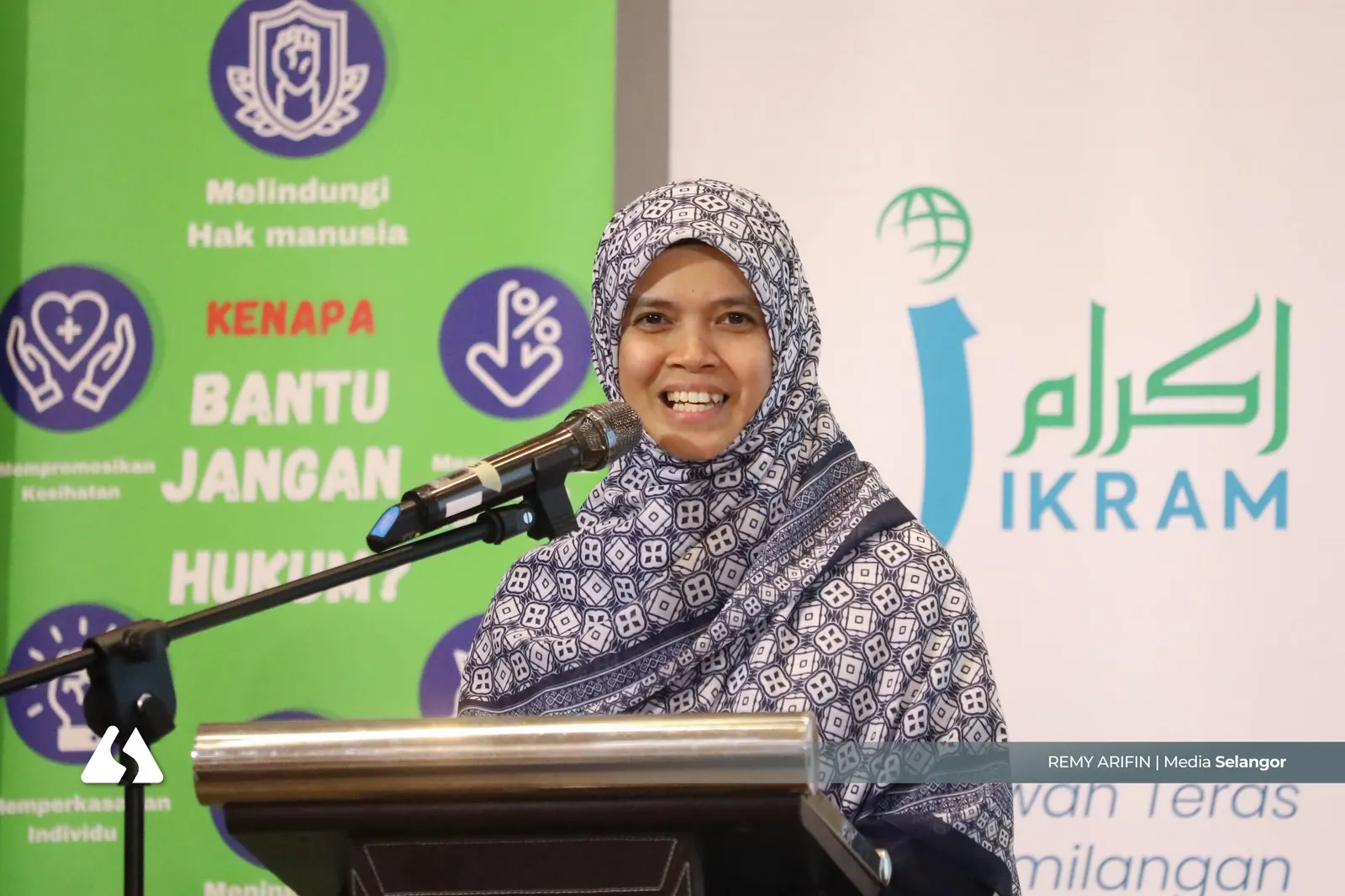
"This is an extremely dangerous situation,” she said, emphasising that firm action against drug syndicates and traffickers must continue, but individuals who are trying to free themselves from addiction require community support to aid their recovery process.
“We must understand that there are individuals struggling in their lives who need support from society in order to recover, rather than punishment,” Marhamah said.
The minister also welcomed the programme, which brought together religious scholars, healthcare experts, and former drug users to share views on the future direction of Malaysia’s drug policy reform.
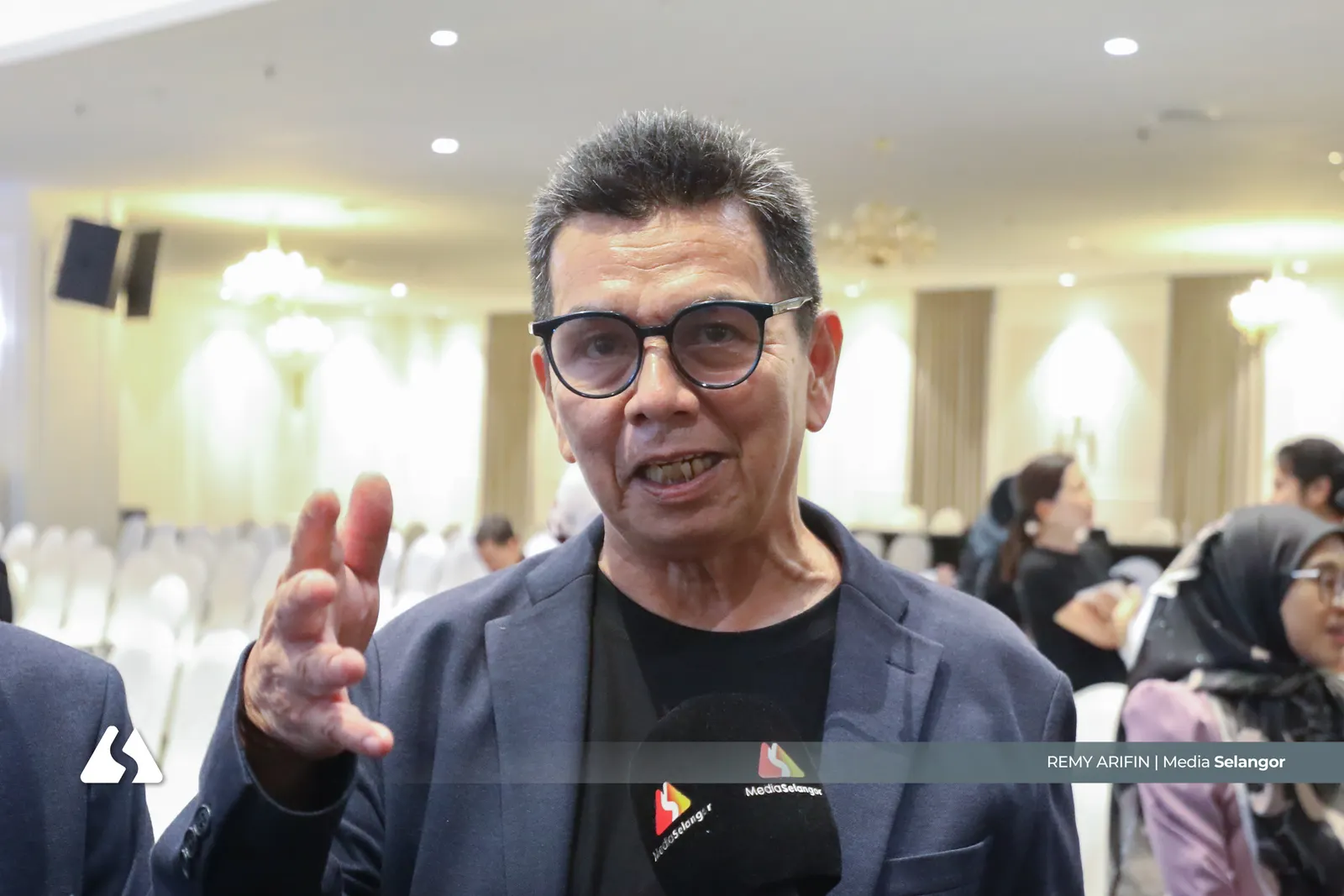
Meanwhile, the Malaysian Substance Abuse Council's secretary-general Raja Azizan Suhaimi called for amendments to three provisions of the Dangerous Drugs Act 1952, which he said are no longer aligned with current challenges.
He noted that the legislation was enacted at a time when the landscape of drug abuse was vastly different from today, including the emergence of new substances and products such as vapes containing prohibited substances.
“This drug law is far too outdated, dating back to 1952. The types of drugs being used today are completely different; therefore, it genuinely needs to be amended or repealed,” he told the media.
There have been positive developments as the relevant authorities have begun showing a willingness to consider approaches that focus more on treatment and rehabilitation, particularly for individuals who test positive for drugs but are not involved in other criminal offences.
Azizan said that such an approach could reduce reliance on imprisonment in certain cases and provide greater opportunities for people with addiction to recover.
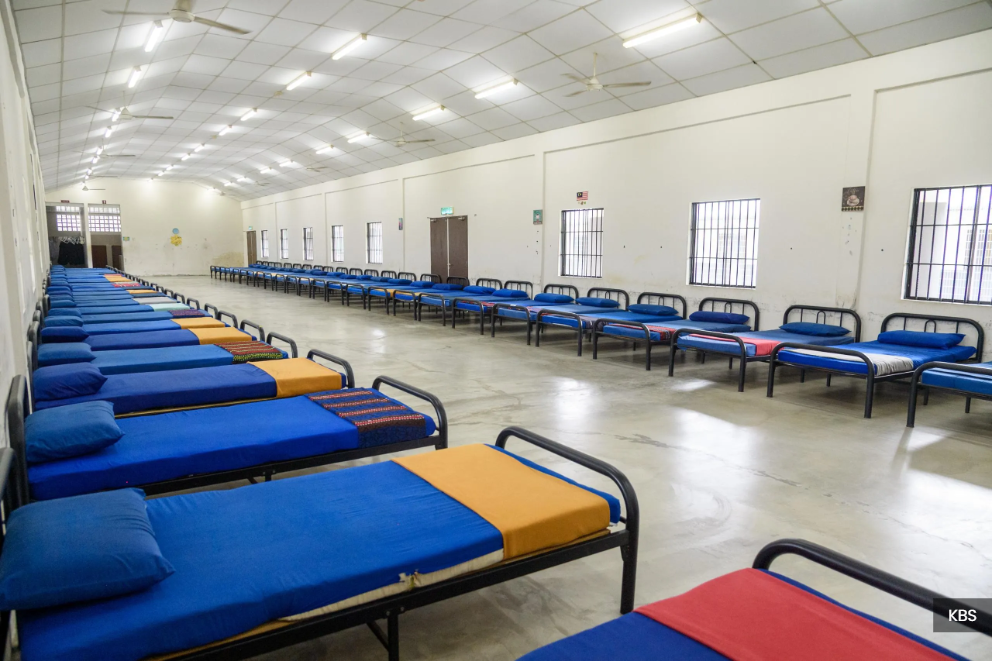
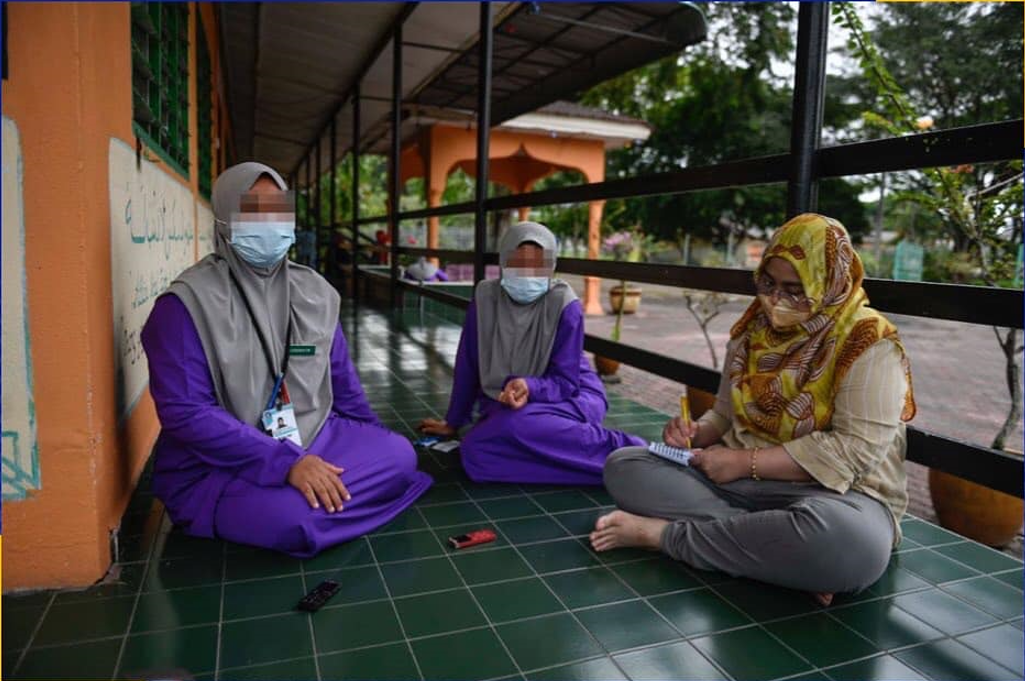
The programme brought together more than 200 former drug users from across the country through motivational sessions, experience-sharing activities, as well as treatment and rehabilitation programmes.
“They are looking for a place where they can find the encouragement needed to sustain their recovery, that is what we want. The aim is not to punish them; the stigma is misplaced.
“From a legal perspective, drugs are indeed wrong; I am not saying otherwise. But instead of imprisonment, the sentence should be an order to undergo treatment and rehabilitation,” he said.