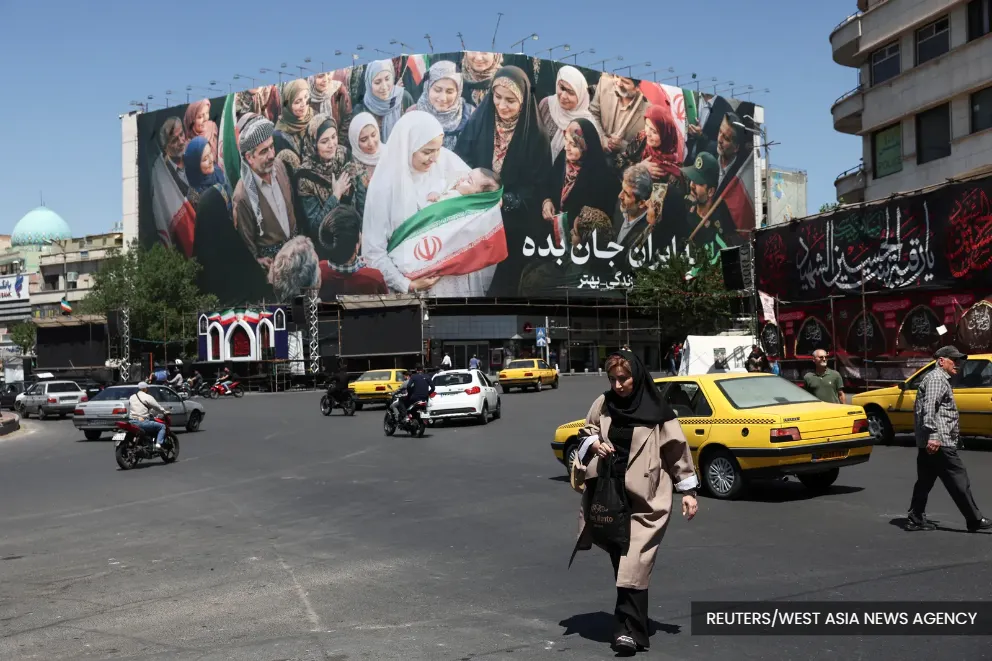
WASHINGTON, May 26 — Brent crude futures rose nearly two per cent in early Asian trade on Tuesday after the United States (US) military carried out strikes in southern Iran in what it described as defensive actions, keeping markets on edge as a deal to end the war eludes both sides.
Brent futures climbed US$1.40, or 1.5 per cent, to US$97.56 a barrel as of 0006 GMT, after settling seven per cent lower in the previous session.
U.S. West Texas Intermediate crude fetched US$91.25, up slightly from Monday's last traded price but down US$5.30, or 5.5 per cent, from Friday's close. There was no settlement on Monday due to the US Memorial Day holiday.
The US Central Command said it carried out strikes on targets in southern Iran, including boats attempting to lay mines and missile launch sites, adding that they were designed "to protect our troops from threats posed by Iranian forces."
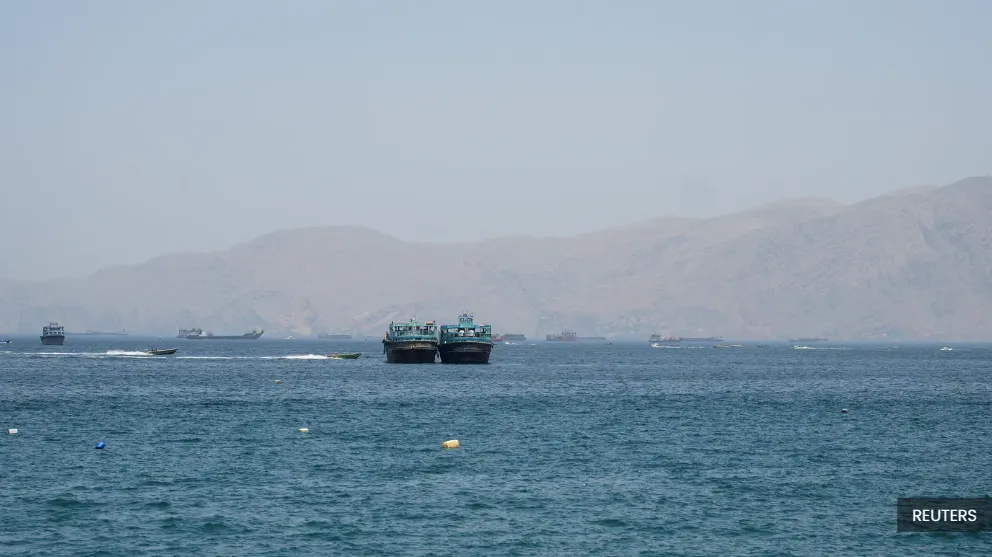
On Monday, the Iranian media reported that explosions were heard in Iran’s Bandar Abbas and nearby coastal areas along the Strait of Hormuz.
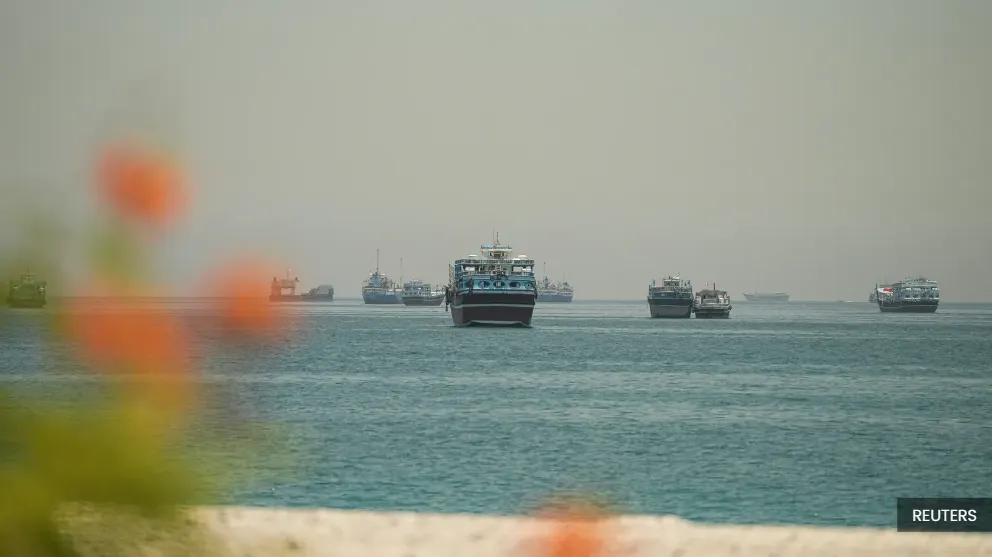
Tehran has effectively halted nearly all non-Iranian shipping into and out of the Gulf since the war began, choking off about a fifth of global oil and gas flows and driving prices up by 50 per cent or more.
Iran's top negotiator and its foreign minister were in Doha on Monday for talks with Qatar's prime minister on a potential deal with the US to end the three-month-old war.
Both Washington and Tehran said they have made progress on a memorandum of understanding that would halt the war and give negotiators 60 days to reach a final deal.
Earlier, Nikkei reported, citing a Middle East diplomatic source, that Iran would clear mines from the strait within a 30‑day window under the agreement, after which vessels from all countries could navigate freely and safely, with Tehran also ending the collection of transit fees.
"Traders are betting heavily that a breakthrough will finally free up the long-paralysed tankers stuck in and around the Strait of Hormuz," said KCM Trade chief market analyst Tim Waterer.
Ship-tracking data showed that three liquefied natural gas tankers passed through the strait in recent days, heading to Pakistan, China, and India, and that a supertanker carrying Iraqi crude to China arrived after being stranded for nearly three months.
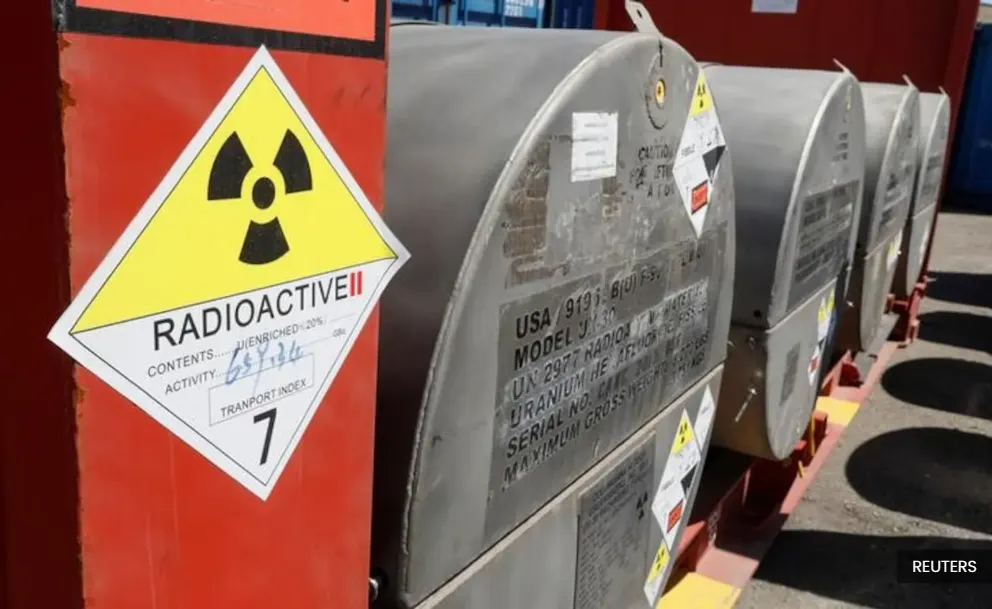
Similarly, US President Donald Trump repeated his demand on Monday that Iran hand over its enriched uranium to the US for the purpose of destruction.
"It is a sharp reminder that the deal could still collapse at the eleventh hour, much like the five previous attempts before it," said IG market analyst Tony Sycamore.