SHAH ALAM, May 20 — Malaysia must make its recycling supply chain more resilient by using local raw materials instead of depending solely on imported plastic and polyethylene terephthalate (PET), said Deputy Investment, Trade and Industry Minister Sim Tze Tzin.
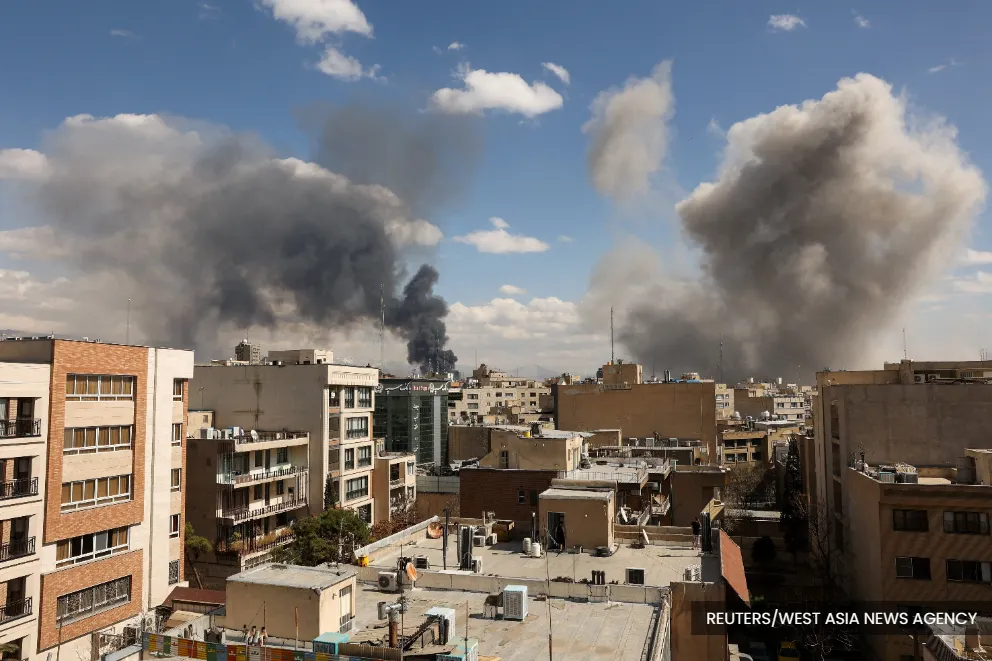
He said the West Asia conflict has sparked a supply crisis and increased costs for local recycling companies, manufacturers, and factories that depend on imported plastic and PET.
“We can no longer rely on imported materials from abroad and need to boost productivity in the country.
“This expo is very important for local recyclers and producers to collaborate,” he told reporters after the launch of the Malaysia Waste Management and Recycling Expo (MyWare) and Malaysia Logistics Warehouse Expo (MyLog) here today.
Also present at the event was Housing and Local Government Ministry (KPKT) secretary-general Datuk M. Noor Azman Taib.
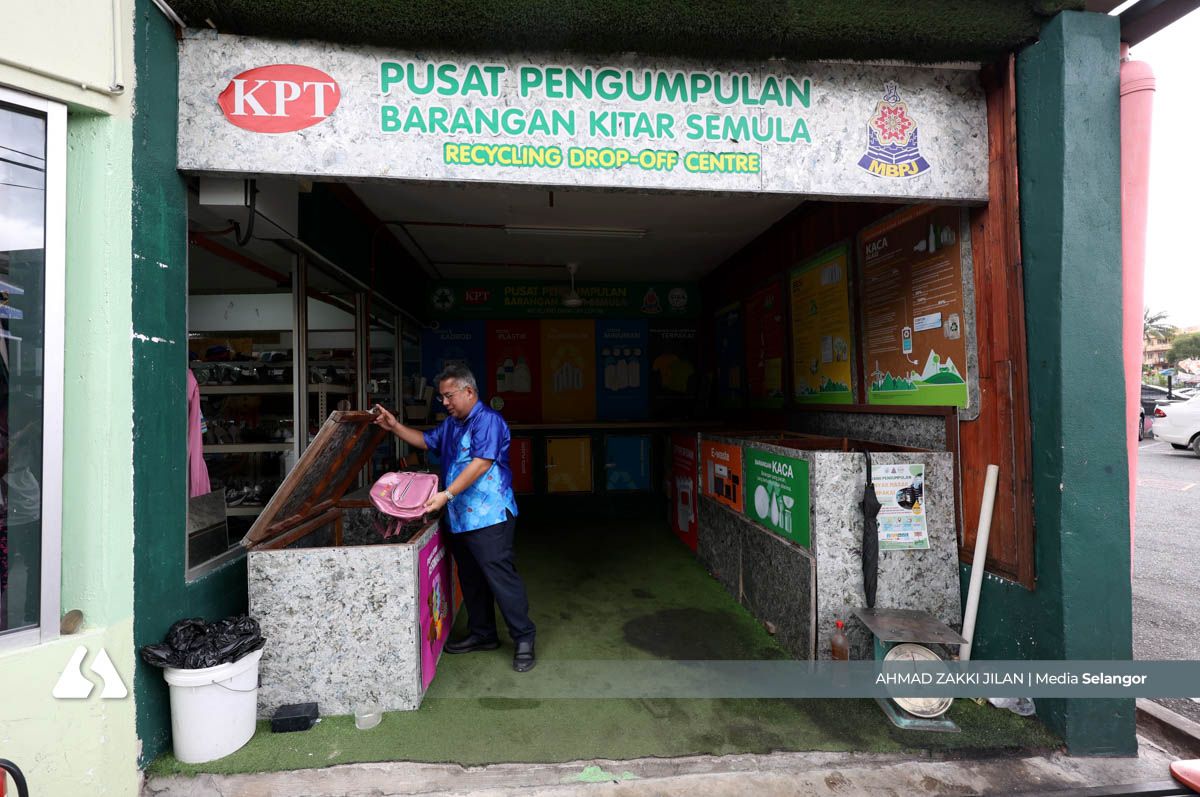
Sim said the country’s current recycling performance is at 40 per cent, but there is ample room for improvement through industry investment in modern facilities to boost productivity.
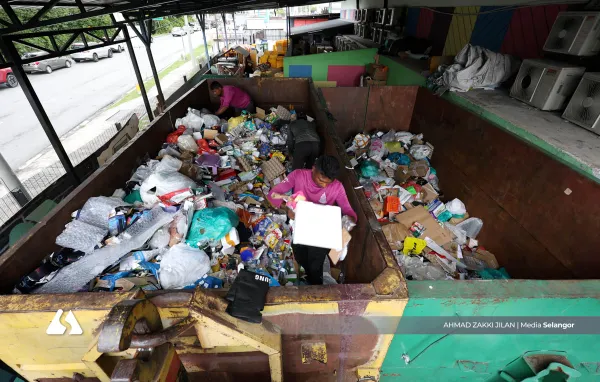
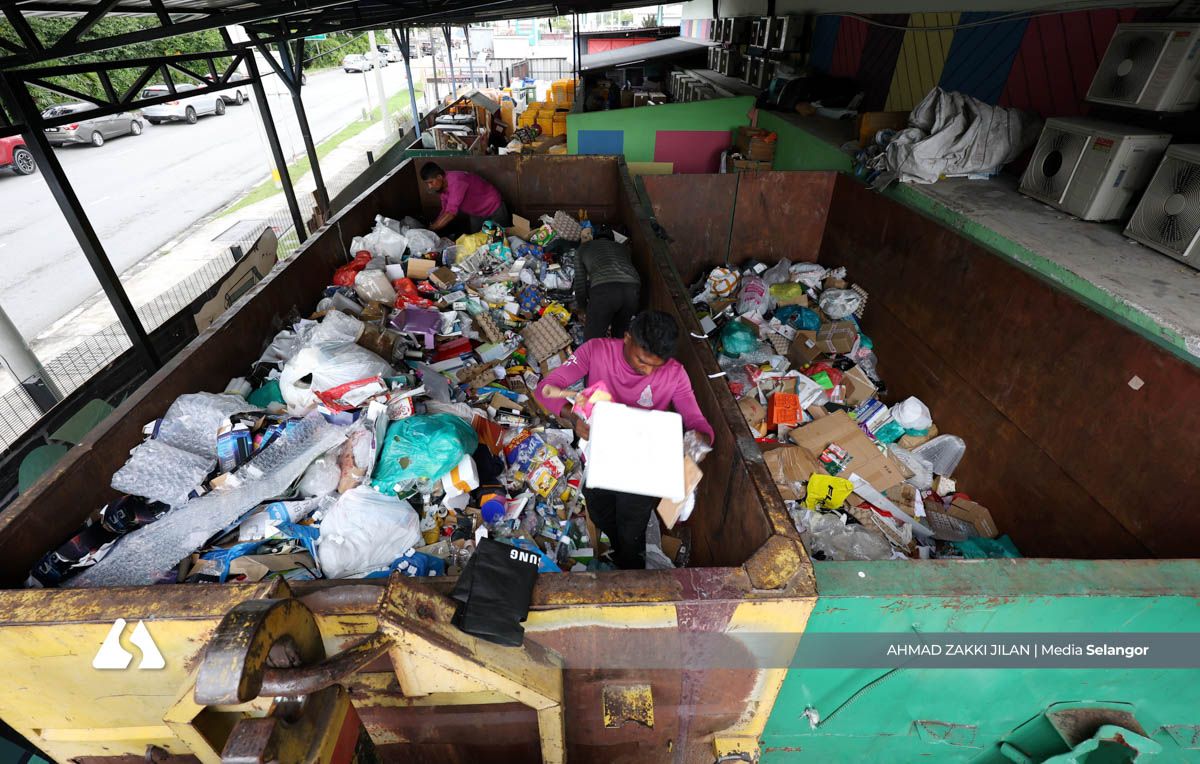
He added that it is critical to optimise recycling waste, especially in landfill areas, which are filled with recyclables.
He said that as an initial step, the government introduced the Extended Producer Responsibility initiative in January 2026 under KPKT and its Circular Economy Blueprint for Solid Waste in Malaysia 2025-2035, under which manufacturers whose products are not recyclable would be charged a fee.
“Statistics show that about 40 per cent of daily waste, or around 15,000 tonnes, is recyclables such as plastic, paper and metal… but every year, about RM500 million worth of materials is dumped in landfills, even though these can be recycled to increase their value,” he explained.
Sim said that to support the transition, the Investment, Trade and Industry Ministry (MITI) is setting targets to accelerate the industry’s progress through the New Incentive Framework.
He said MITI replaced its one-size-fits-all policy with the National Investment Aspirations Scorecard, which makes environmental, social and governance performance for business growth more enduring.
He added that recycling-friendly companies are eligible for special tax rates of up to 15 per cent, or investment tax allowances of up to 100 per cent for qualifying capital expenditures.
“For those investing specifically in green infrastructure, the green investment tax allowance and green income tax exemption are still available, with the benefit of an allowance of up to 100 per cent for green assets or a 70 per cent tax exemption for green services.
“For local businesses that are ready to change but are concerned about capital, the Malaysian Industrial Finance Development Finance Bhd also provides financial assistance through the Sustainable Green Business Financing facility,” Sim said.