SHAH ALAM, May 20 — The state administration's regularisation process for tahfiz schools is in line with guidelines issued by the Malaysian Fire and Rescue Department (JBPM) to prevent fire incidents.
Its Fire Safety Division assistant director Razali Mohd Nasir said this not only ensures the safety of school communities, especially students, but also reduces the risk of incidents that could claim lives.
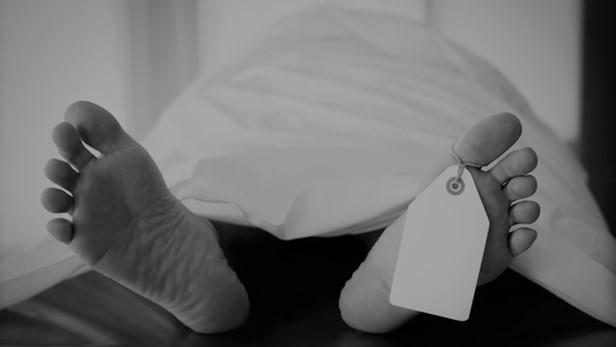
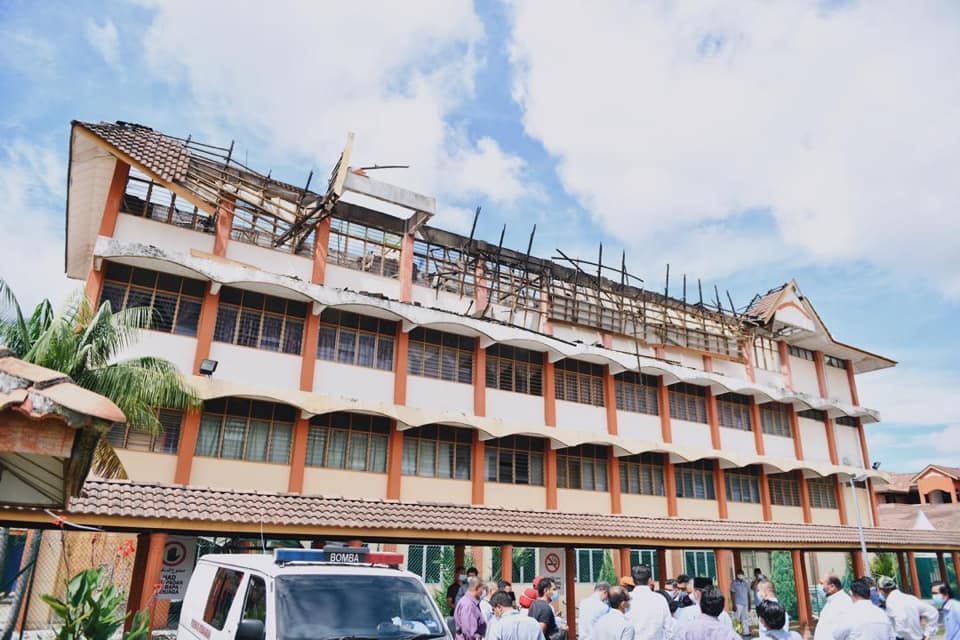
The tragedy at a tahfiz centre in Kampung Datuk Keramat in 2017, which claimed 23 lives, prompted JBPM to tighten enforcement of building safety regulations.
“We also do not want a repeat of the incident in Yan, Kedah, which claimed nearly 30 lives. That is why JBPM issued guidelines on tahfiz accommodation facilities, room layout requirements, and emergency exit routes.
“This is because some operators of tahfiz and pondok institutions use unsuitable buildings for operations. For example, they use modified residential houses with extensions. Such conditions are dangerous,” he told Media Selangor.
In the early hours of September 14, 2017, the Darul Quran Ittifaqiyah Tahfiz Centre caught fire, causing the deaths of 21 students and two teachers who became trapped in the blaze at the temporary building.
Razali added that the regularisation process, which also requires approval from JBPM, is important because it involves the physical condition of buildings and surrounding areas, including evacuation routes and access to water sources.
He said that centres located in unsuitable areas, such as those without emergency access routes or far from fire hydrants, face a higher risk of fatal fires.
“The same applies to safety requirements in school or hostel buildings. For example, if the building is multi-storey, there must be staircases and safe escape routes for students to evacuate.
“In the Keramat fire case, one of the factors that caused the deaths of more than 20 individuals was the physical condition of the building. That is why the regularisation process carried out by the Selangor government is important to ensure students live and study in safe environments,” Razali said.
As of December 24 last year, the process was nearly complete, with 606 tahfiz schools across the state successfully regularised, achieving a 96 per cent implementation rate.
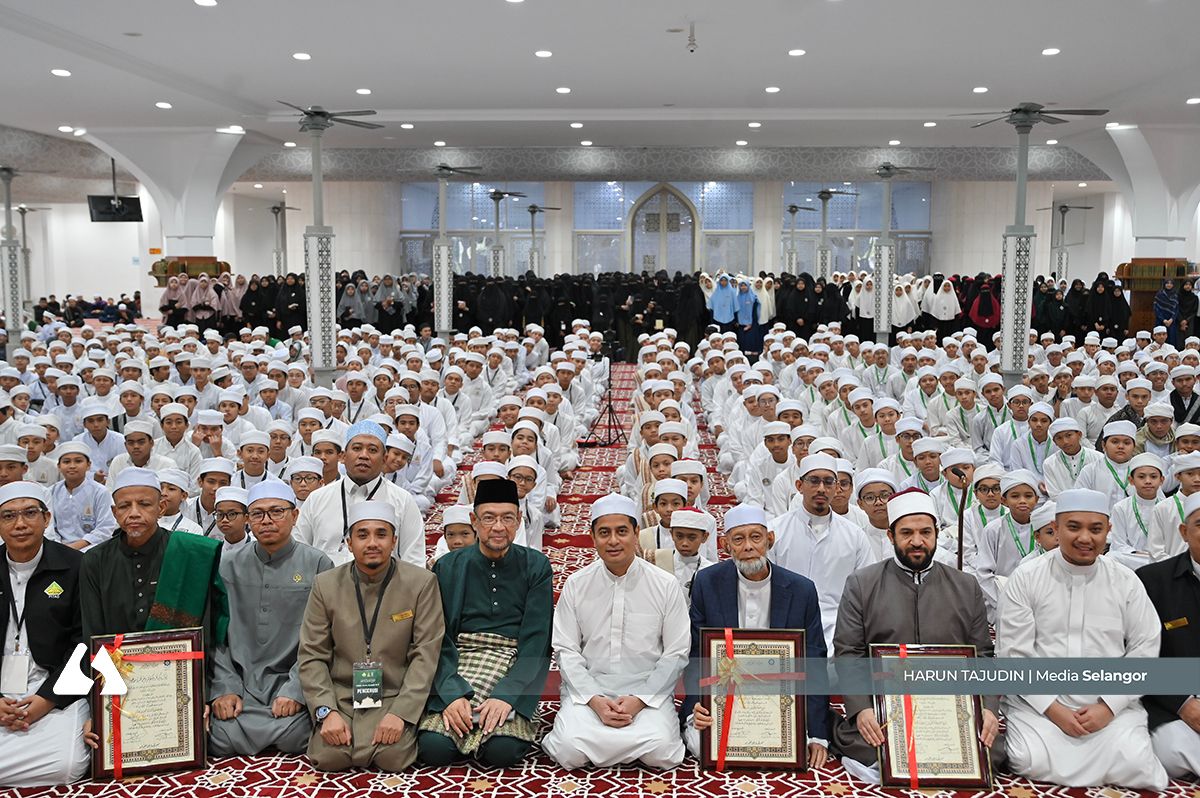
In January, the Selangor Islamic Religious Council's chairman Dato' Salehuddin Saidin said the initiative covers all categories of religious schools, including tahfiz schools, private institutions, and schools under the supervision of the state religious authorities.
The main aspects assessed include registration status, safety, health, and school operating zones to ensure these institutions operate legally and in an orderly manner.
The deadliest fire incident occurred in September 1989, when eight dormitory blocks at SAR Taufiqiah Al-Khairiah Al-Halimiah, also known as Pondok Pak Ya in Yan, Kedah, were destroyed in a fire that claimed 27 lives.