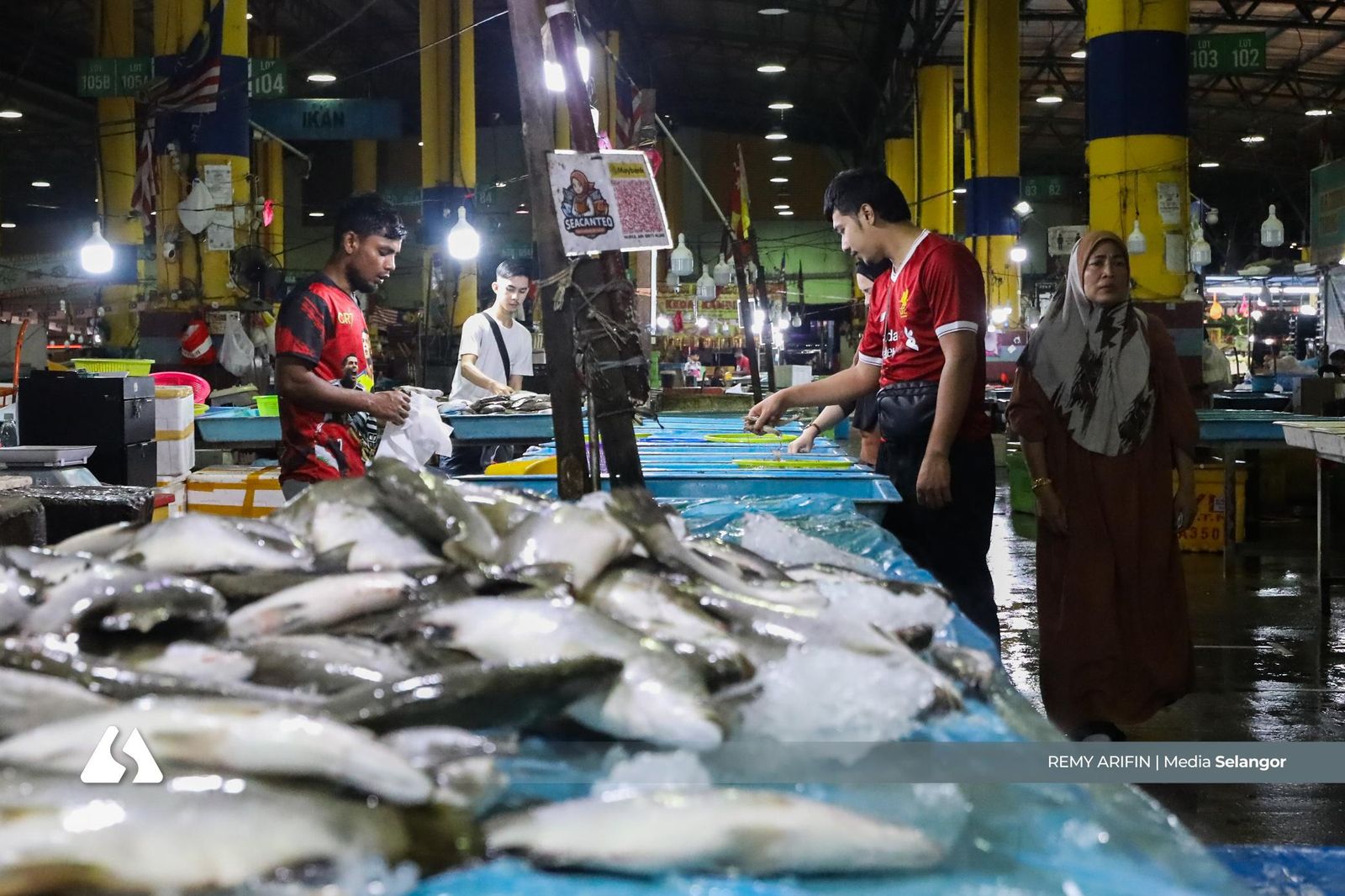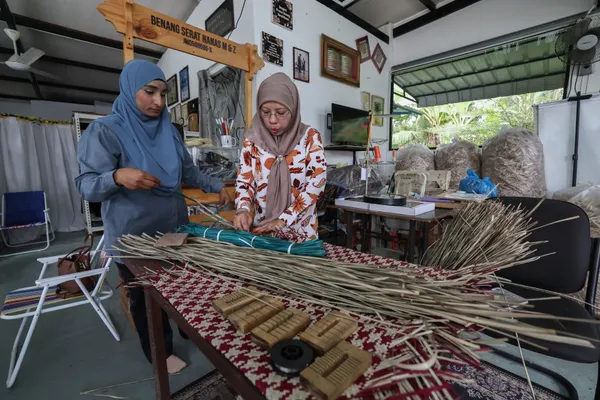
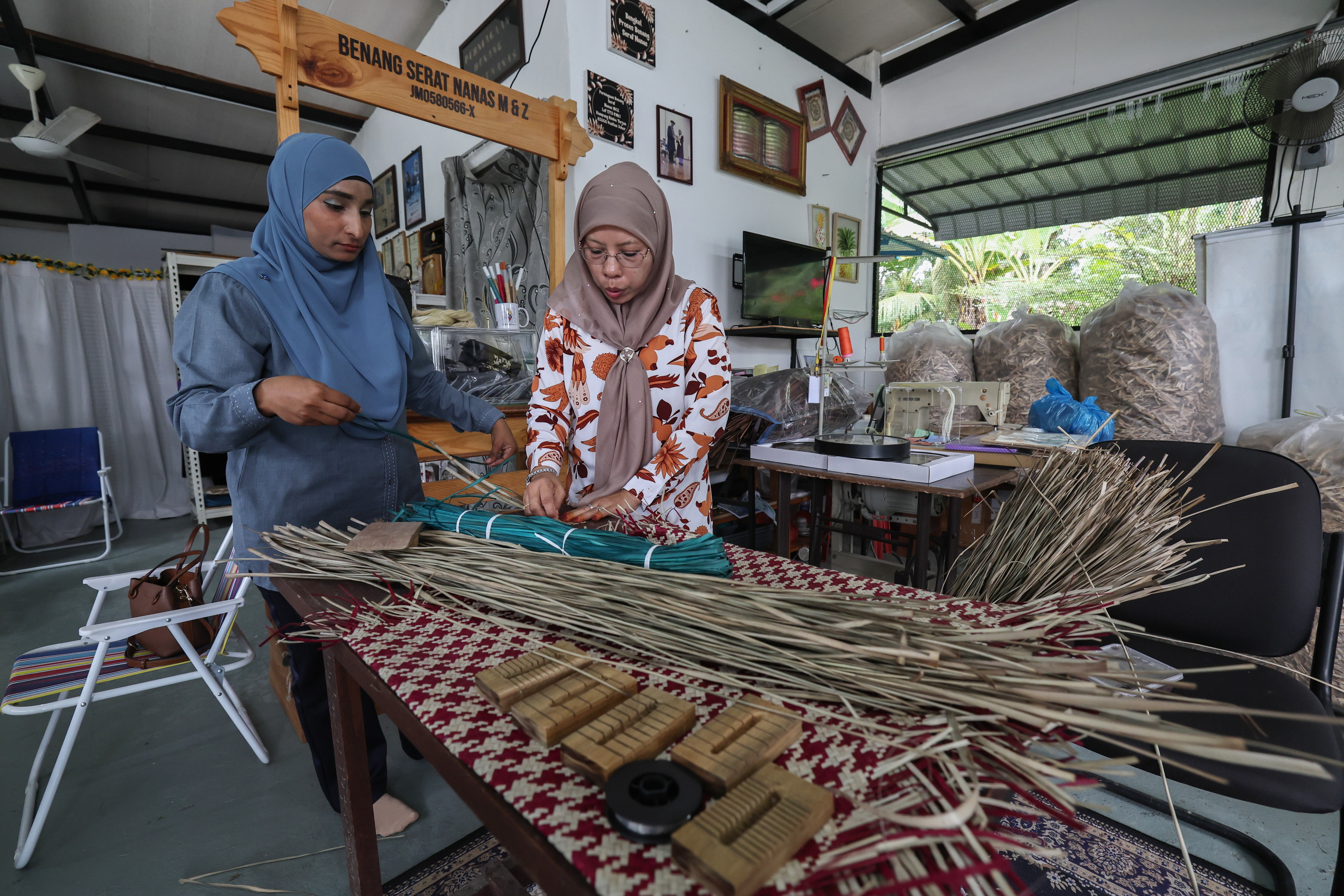
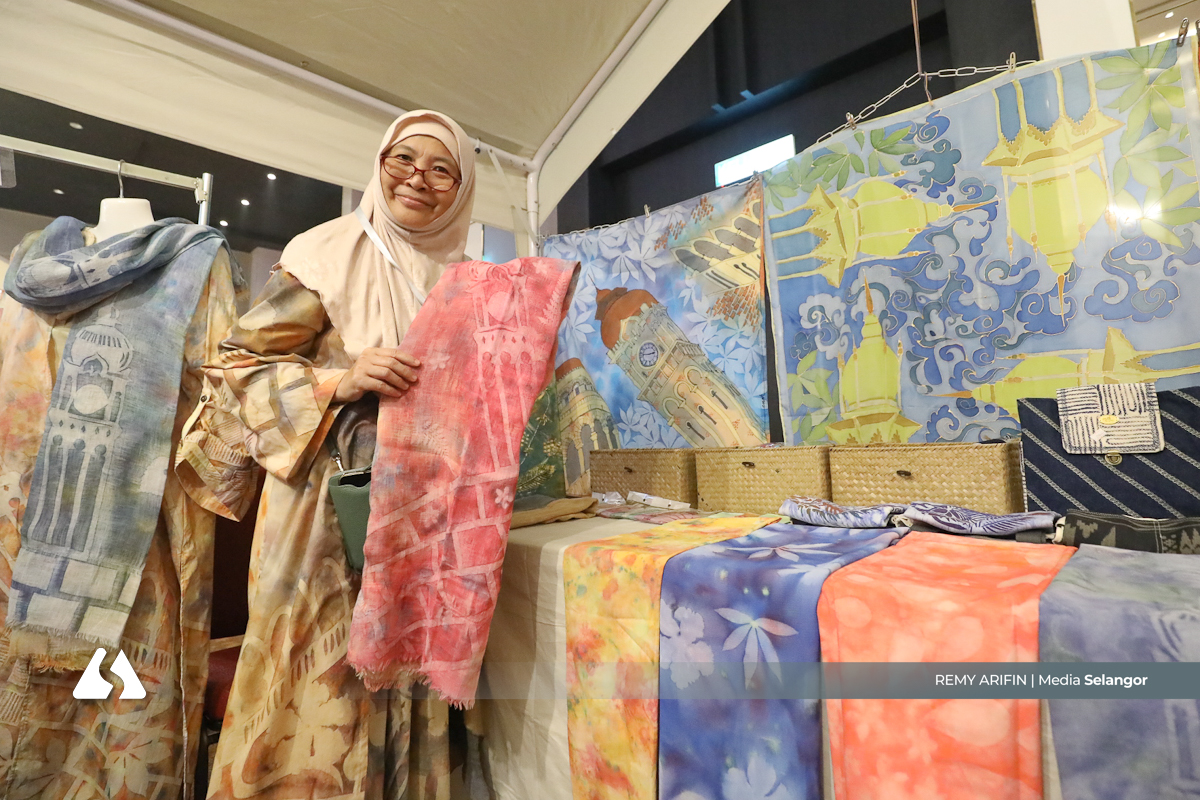
SHAH ALAM, May 20 — Microfinancing alone is insufficient to help women-led businesses scale, as structural barriers such as limited market access, weak business networks and caregiving responsibilities constrain growth, say industry experts.
They said stronger ecosystem support is needed to help women transition their micro-enterprises into larger, more competitive endeavours.
Economist Samirul Ariff Othman said many female entrepreneurs remain concentrated in micro- and small businesses, and that without stronger support, they risk being stuck at that low level despite years of borrowing and repaying loans.
He pointed to structural barriers including limited access to the procurement ecosystem, export networks and high-value supply chains, while caregiving responsibilities restrict women’s ability to travel, network, attend training sessions, or manage larger operations.
Digital capability gaps also remain unequal despite many female entrepreneurs already doing business online, the Universiti Teknologi Petronas (UTP) adjunct lecturer added.
“Scaling digitally requires more advanced capabilities including AI-enabled marketing, data analytics, inventory systems, e-commerce optimisation, and financial digitisation,” he told Media Selangor.

According to Samirul, rising logistics costs, imported inflation, supply chain disruptions, and weaker consumer demand caused by global geopolitical conflicts are increasingly pressuring smaller businesses with narrow operating margins.
He added that many women operate in sectors with low barriers to entry, such as food and beverage, retail, tailoring, beauty, and online commerce, which often come with low profit margins, intense competition, and limited economies of scale.
“In economic terms, many women-led MSMEs prioritise resilience over scale.
“While women borrowers are often recognised for strong repayment records, financial institutions may still categorise them as lower-growth borrowers because collateral ownership remains uneven, business assets are limited, and formal financial documentation is often insufficient for larger commercial financing, Samirul added.
He said microfinancing remains important for financial inclusion and helps first-time entrepreneurs stabilise their cash flow and depend less on informal lenders.
However, he warned that microfinancing alone is usually insufficient to drive long-term scaling, as many financing models are structured around repayment sustainability and short-term working capital rather than upgrading productivity.
On April 29, a Selangor-led roundtable on the impact of the West Asia crisis resulted in five key resolutions to support female entrepreneurs, including the setup of a central business portal, expansion of flexible work policies, and greater adoption of artificial intelligence (AI).
During the discussion, one of the panelists highlighted that many women-led businesses remain at the micro and small enterprise level despite being recognised as reliable borrowers, due to structural and operational challenges that continue to limit expansion opportunities.

Capital gap limits scaling
SME Association of Malaysia president Chin Chee Seong said many women-led enterprises stay small despite stable operations, as scaling requires significantly more capital, manpower, technology investment, and market expansion capabilities.
He also said they prefer cautious growth during uncertain economic conditions, by prioritising cash flow protection and operational stability over aggressive expansion.
“To scale up today, SMEs need to adopt technology, e-commerce, automation, AI tools and proper business systems. However, many smaller businesses may lack the funding, skills or guidance to implement these tools effectively.
“Many women-led SMEs are not small because they lack capability, but because scaling requires capital, time, networks, technology, manpower and support systems that are often not easily available to them.”
While welcoming the government’s RM3 billion Dana Ekonomi Usahawan Wanita (DEWI) initiative introduced earlier this year, Chin said a significant gap remains between financing to sustain businesses and financing to scale businesses internationally.
“Current facilities are highly effective at helping MSMEs maintain operations. With approximately RM906 million already disbursed to over 106,000 entrepreneurs as of April 2026, schemes like AIM (Amanah Ikhtiar Malaysia) and TEKUN (National Entrepreneurial Group Economic Fund) are providing the working capital needed for equipment and basic digitalisation.
“But (even if) we have the funds to keep businesses afloat, we still face a shortage of growth capital. Scaling an enterprise into regional or international markets requires massive, long-term investment in industrial automation, AI-driven supply chains, and global branding.
“Most current programmes are still capped at levels or durations that favour short-term cash flow over long-term expansion,” Chin added.