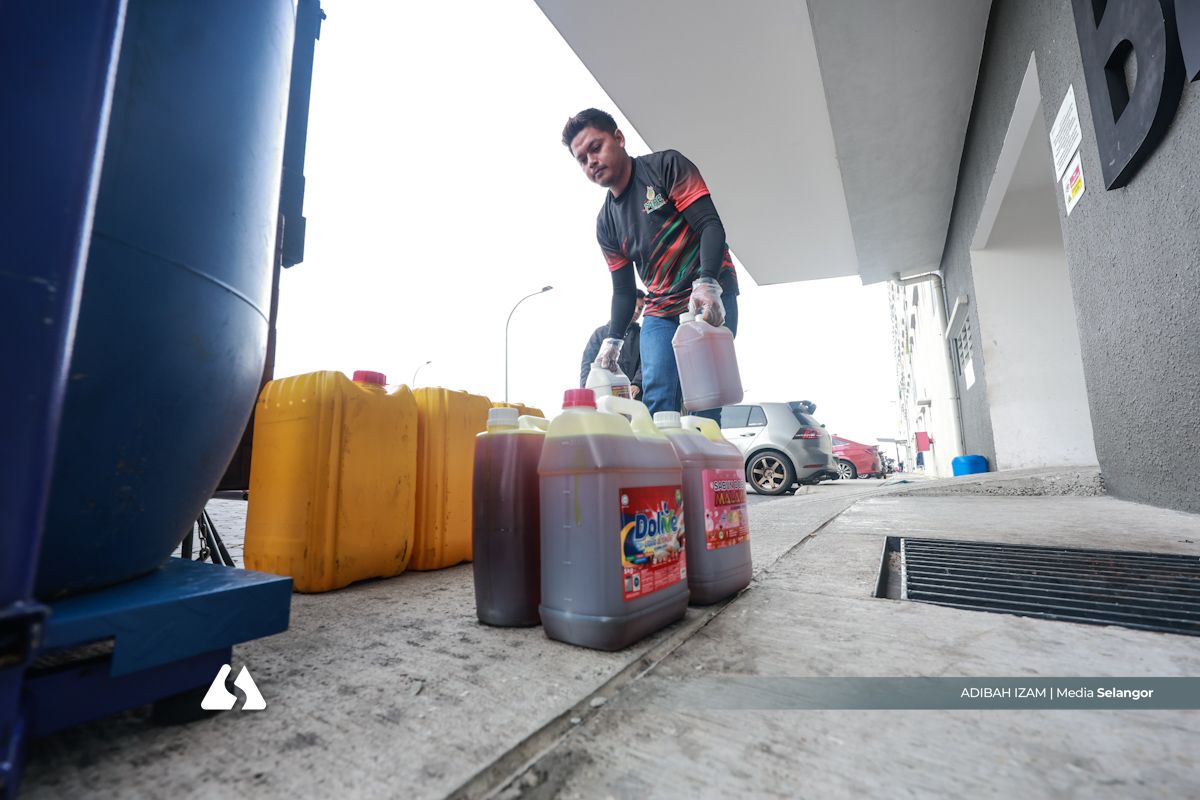

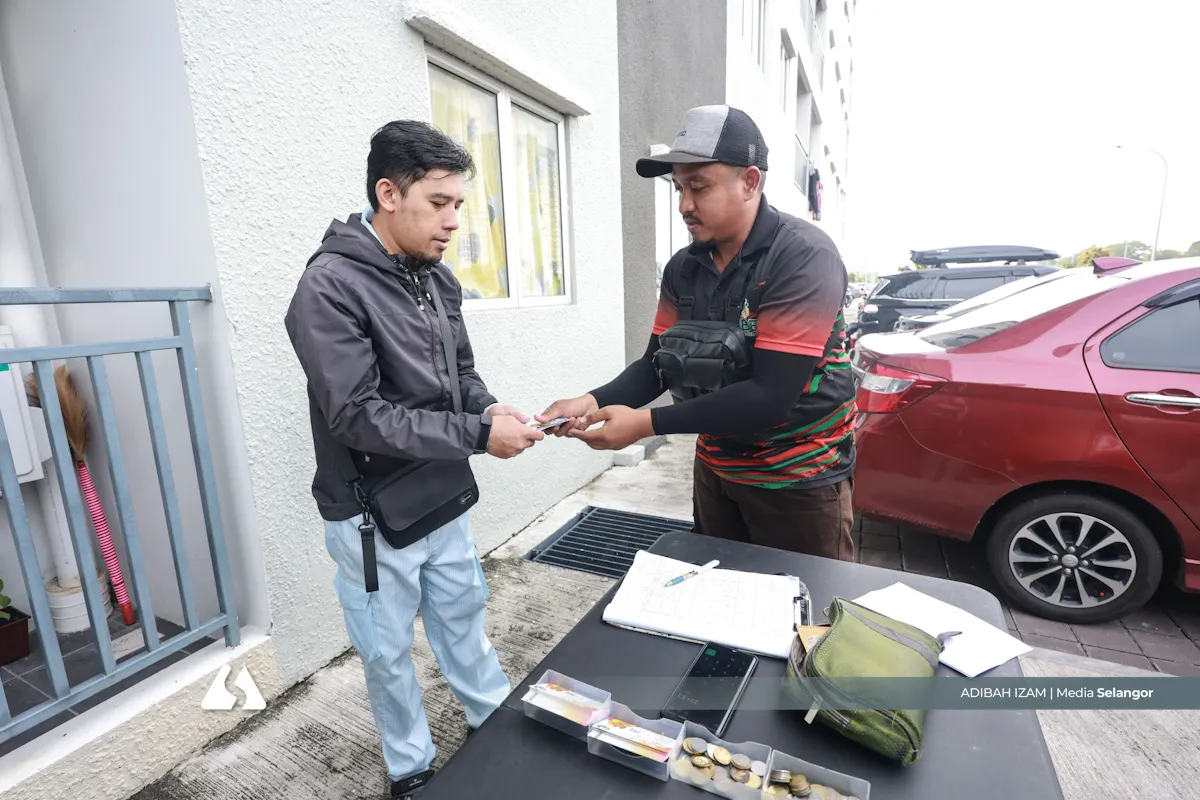
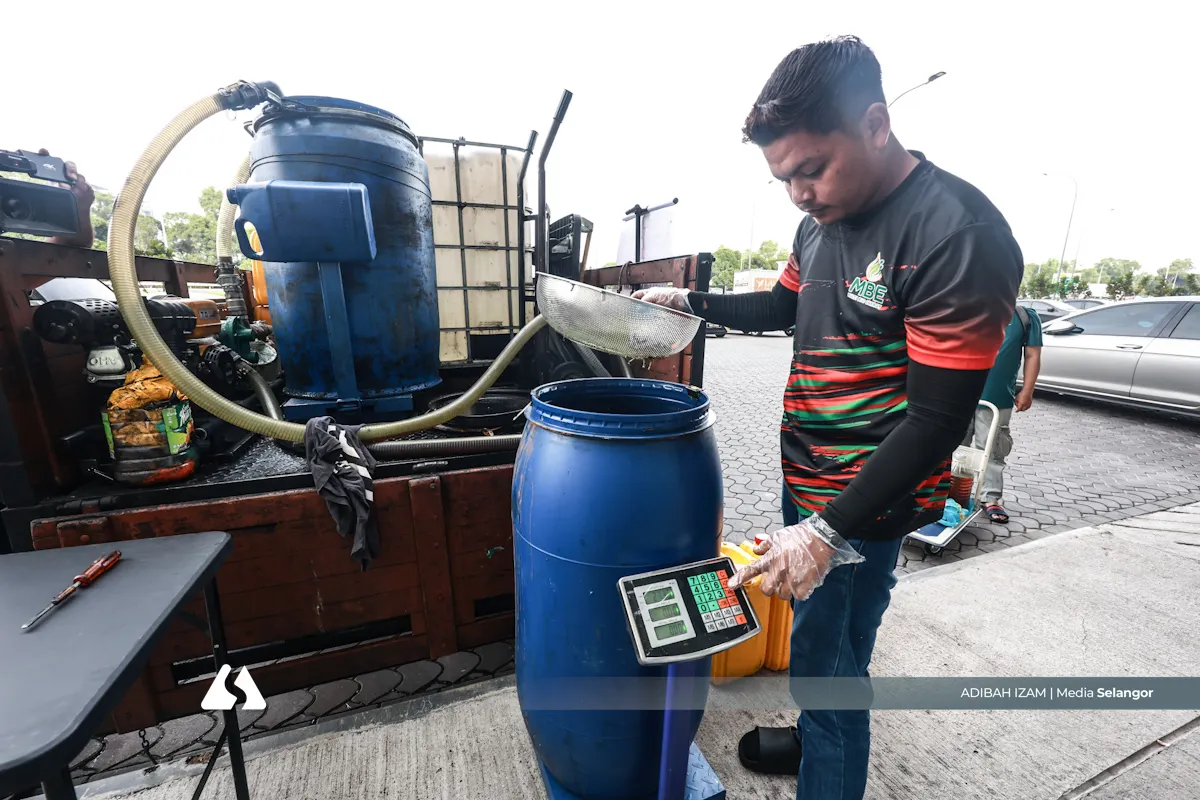
SHAH ALAM, May 13 — Starting with collecting used cooking oil from house to house, a former mechanic has now turned the kitchen waste into a growing source of income across Selangor.
Muhammad Azizul Hanafi Kayatin, 31, began the business about five years ago after losing his job during the COVID-19 pandemic.
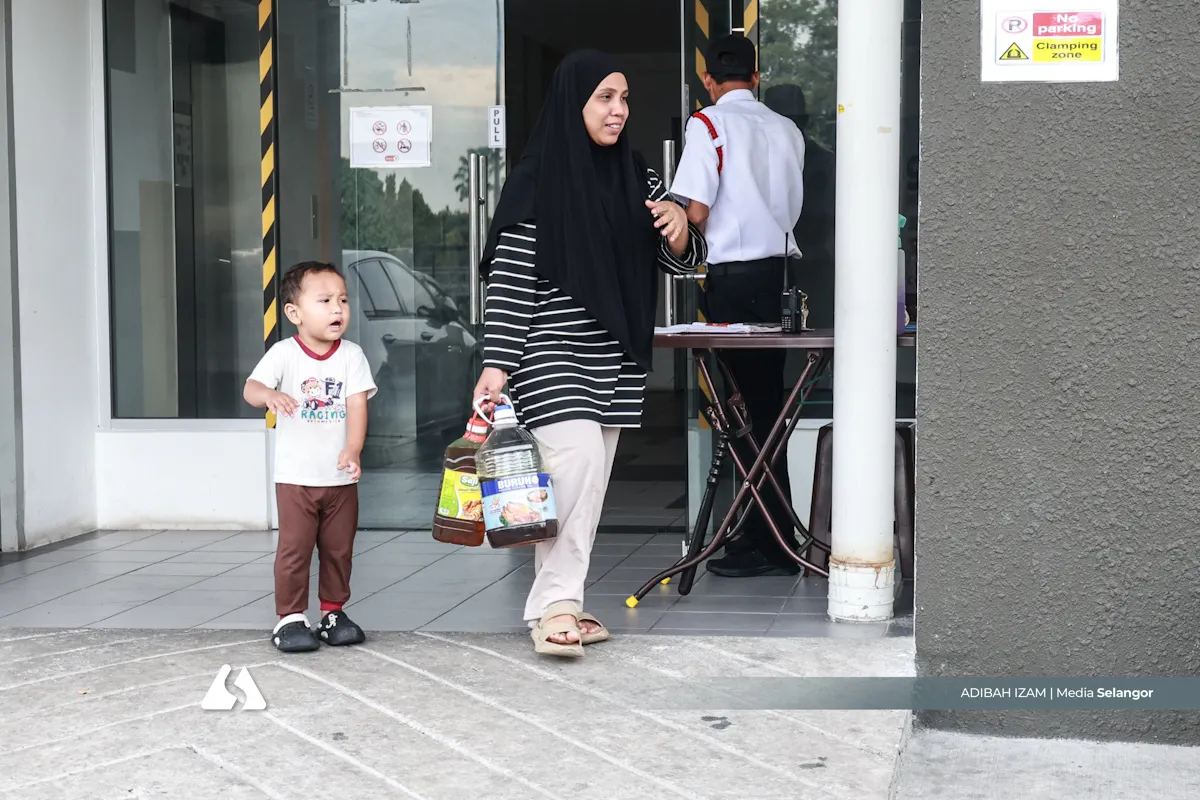
“I previously worked as a mechanic for 10 years, but when the pandemic struck, I lost both my job and income. I got the idea for this business when many local residents did not know where to dispose of used cooking oil because, at that time, not many people were aware of recycling used cooking oil,” he told Media Selangor.
Azizul's efforts started on a small scale and have since expanded through collaborations with several companies that appointed him as an agent for collecting used cooking oil.
Since then, the entrepreneur, originally from Tangkak, Johor, has carried out regular collections in community areas and from traders.
“Our daily routine is collecting from eateries, while weekends are focused on community areas,” he said, adding that public awareness of the importance of recycling used cooking oil has also increased, as it not only helps reduce pollution but can also generate additional income.
The oil is sent to collection centres before being processed by companies for industrial uses such as biodiesel and aviation fuel.
“In the past, people simply threw it away, but now many have started collecting it because it can be resold and people are more aware that used cooking oil has value,” Azizul said.
The collection operation, based in Bangi, can gather between 500kg and two tonnes of used cooking oil per day, depending on the collection area.
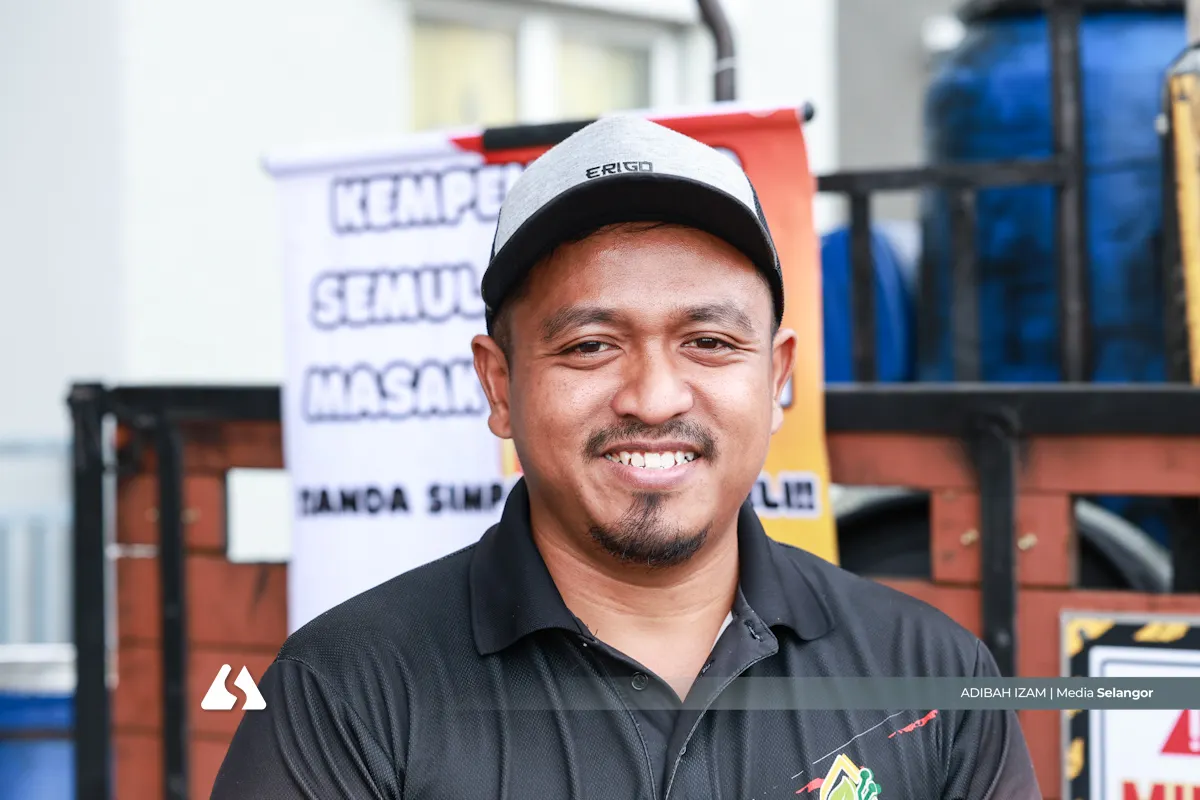
Cooking oil collection helps the environment
He noted that improperly disposed of used cooking oil can clog pipes and drains and pollute the environment.
Oil contaminated with foreign substances, such as soap, water, or engine oil, cannot be resold because this affects its quality.
“We can identify contaminated oil through its smell and texture. This usually happens when oil is poured into soap containers that have not been cleaned properly beforehand,” Azizul said.
He is aware of the misuse of used cooking oil but believes the issue depends on public awareness and community management.
Nonetheless, Azizul hopes the public will become more mindful of the importance of properly managing such kitchen waste to preserve environmental sustainability.
“Right now, it is no longer just a business, but has become a community ecosystem. Besides helping the environment, it also provides opportunities for people to earn supplementary income,” he said.