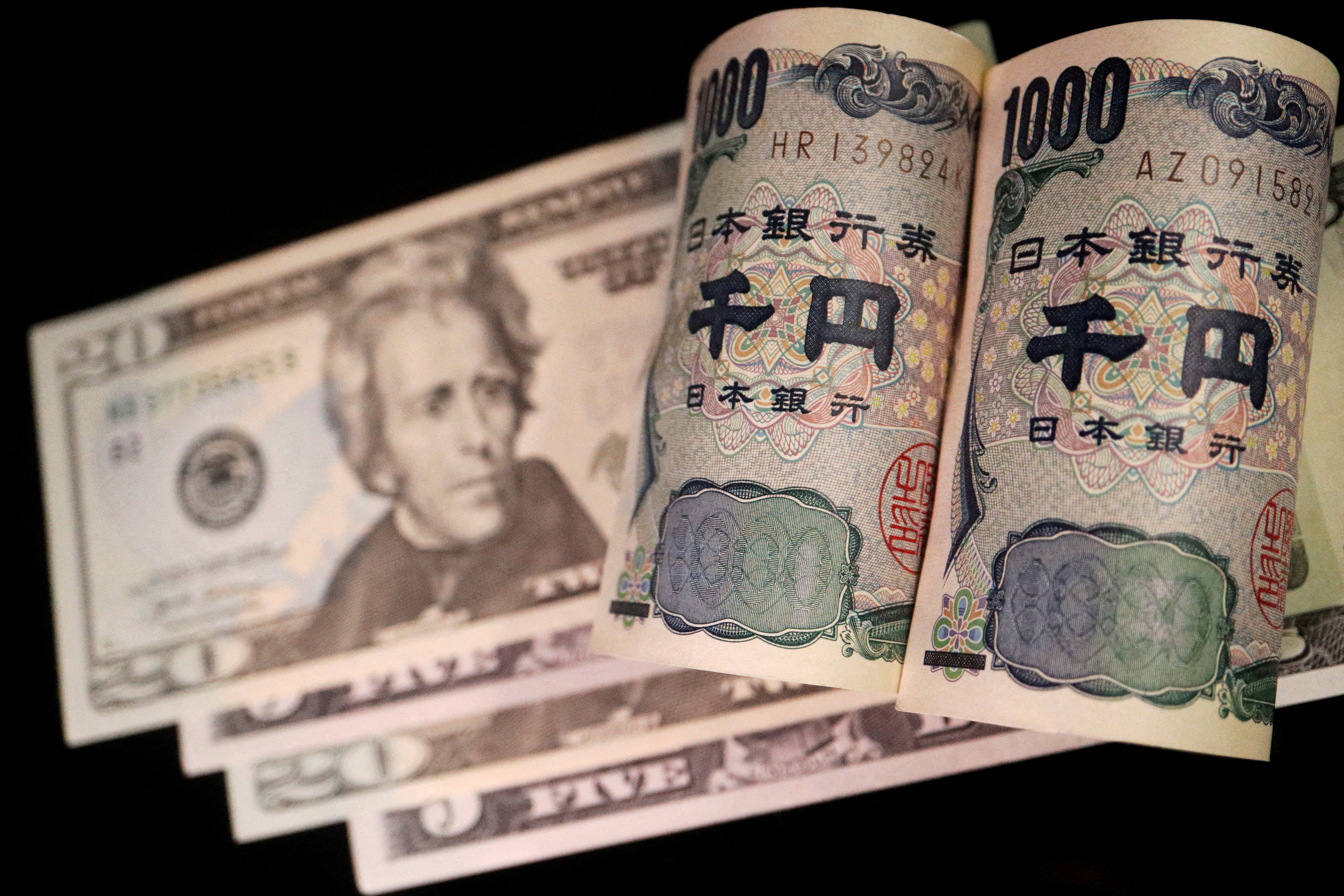
LONDON, May 12 — From a rout in Asian currencies to the closure of a low-budget United States (US) airline, the dragging Middle East conflict is starting to bite across the globe and test the resilience of financial markets.
Here is a look at some of the pressure points that are building:
Asia feels the squeeze
Currencies in Asia have suffered some of the sharpest falls across foreign exchange (FX) markets since the US and Israel attacked Iran in February. Around 80 per cent of sea-borne oil trade through the Strait of Hormuz is usually destined for Asia, making it the most exposed region to any disruption.
Indonesia has seen its rupiah tumble to a record low on Tuesday, while the currencies of fellow Asian fuel importers, including India and the Philippines, have also hit historic lows. Central banks have intervened in currency markets for weeks, either directly or through state‑bank action, and are looking for additional measures.
Currencies in South Korea, Thailand, and Malaysia have also come under pressure.
"Central banks will be reluctant to sell down reserves. As such, we are probably going to see more creative measures to support their respective currencies," said Barclays Asian FX and rates strategy Mitul Kotecha.
Japan suffering too
The war has piled fresh pressure on the yen, already weakened by Japan's low interest rates and worries over Prime Minister Sanae Takaichi's borrowing-led growth plans.
Japan imports about 95 per cent of its oil from the Middle East, leaving the currency highly sensitive to higher energy costs. Authorities have intervened as the yen slipped towards the 160-per-dollar level to deter speculators.
"With oil prices spiking higher, traders naturally attacked the yen, since this is a low-yielding currency, but also one whose fundamentals are most adversely affected by high oil prices," said Macquarie Group global FX and rates strategist Thierry Wizman.
Analysts say intervention is unlikely to reverse the yen's fall unless the war eases and rates rise soon.
Food shock threat
Food price volatility had only just begun to ease after the 2022 shock sparked by Russia’s invasion of Ukraine.
A fresh jolt now looms as the Middle East war squeezes fertiliser supplies and lifts energy costs, pressures that could be compounded by a return of the weather phenomenon El Nino.
The Baltic shipping index is at its highest since 2023. Emerging economies, where food accounts for a larger share of inflation baskets, are likely to be hit hardest.
"Elevated food prices are a problem across the world, but particularly in economies where food makes up a large share of the inflation basket or food supplies are reliant on imports," said HSBC global economist James Pomeroy.
Pain at the pump
Consumers around the world are feeling the squeeze, and one of the first places it shows is at the fuel pump. Markets especially watch US gasoline prices, which could encourage Trump to reach a deal ahead of the November mid-term elections.
Average US prices of gasoline have risen from around US$3 to over US$4.50 a gallon, according to the motorist advocacy group AAA.
"If that continues to go up and we head towards US$5, there is going to be a lot of unrest domestically, and that might force Trump to change tack again on the war with Iran," said Zurich Insurance Group's chief market strategist Guy Miller.
The energy shock will boost prices on household products made from oil or natural gas, from toothpaste to laundry detergent. Traders are watching rising inflation expectations that could encourage central banks to raise interest rates.
The European Central Bank's Consumer Expectations Survey showed inflation expectations for the one-year ahead jumped to 4.0 per cent in March from 2.5 per cent in April.
Flight or fight
The airline sector is facing its biggest test since the 2020 COVID-19 crisis sent the world into lockdown. Jet fuel prices have risen by nearly 84 per cent since the conflict began, and shortages are expected if the war does not end soon.
Ultra-low-cost carrier Spirit Airlines ceased operations earlier this month, citing rising fuel prices as the reason for its failure.
Some airlines say the risk of supply disruption is receding. Still, the sector remains underperformers, as European airline stocks have slumped roughly 14 per cent this year, while the broader market is up three per cent.
Bond expectations
Major bond markets steadied after an early war selloff that forced traders to reprice rate expectations. But analysts have warned that cracks are re‑emerging and could bubble over.
In the United Kingdom, political risk is exacerbating pressure on the local gilt market. Another is the systemically important US Treasury market, where 10-year yields are hovering around 4.40 per cent, roughly 40 bps above pre-war levels.
Higher US yields also risk squeezing emerging markets that price borrowing off Treasuries.
"There is a danger zone for equity markets and credit markets if we get yields above the 4.5 per cent level on 10-year Treasuries. That has tended to be disruptive," said Zurich's Miller.