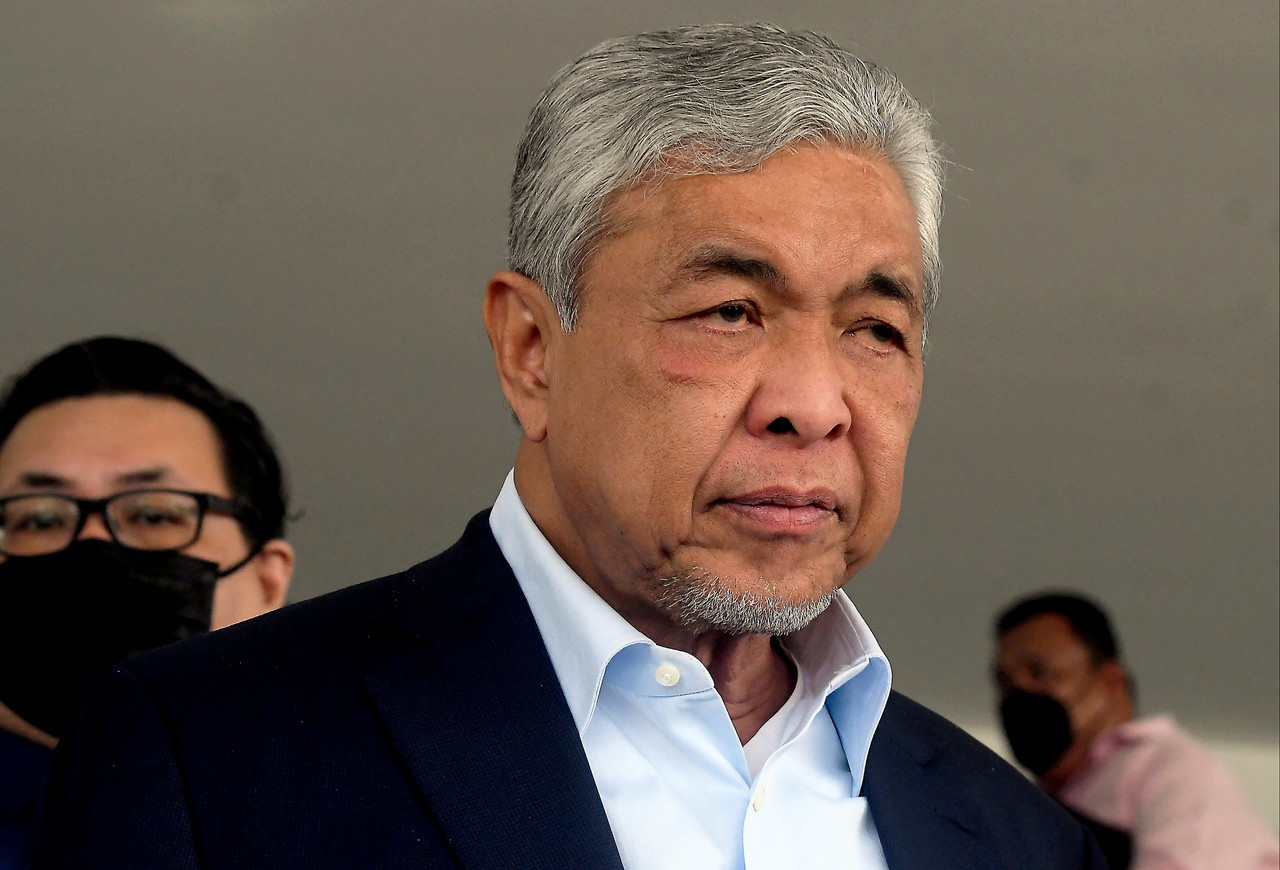
KUALA LUMPUR, May 12 — Malaysia and China will strengthen their collaboration to co-develop future industries, with technical and vocational education and training (TVET) serving as Malaysia’s frontline for the future economy, said Deputy Prime Minister Datuk Seri Ahmad Zahid Hamidi.
He said both countries must move beyond traditional trade, with electric mobility, battery technology, renewable energy, smart manufacturing, digital systems and talent development identified as key areas of collaboration.
“Malaysia brings strategic geography, a growing industrial base and a young, trainable workforce. China brings technological depth, industrial scale and proven leadership in new energy industries.
“Together, we can build more than bilateral success. We can strengthen regional value chains, support ASEAN’s industrial transformation and create a partnership that is not only good for Malaysia and China, but meaningful for the future of this region,” he said in his keynote address at the Malaysia-China Forum on Electric Vehicle (EV), Battery and New Energy Talent Development and Innovation (MCEF 2026) at Asia School of Business here today.
According to Zahid, the transition to EVs, batteries and new energy has sparked a new industrial ecosystem, which he called one of the most significant industrial revolutions of the modern era.
He said global EV sales reached approximately 21 million units in 2025 alone, accounting for one in every four new cars sold worldwide, with China continuing to lead the transition.
In ASEAN-6 (Indonesia, Malaysia, Thailand, the Philippines, Vietnam and Singapore), sales of electric and electrified vehicles grew by 62 per cent during the first nine months of 2025.
“This transition is not limited to vehicles. It extends to batteries, charging infrastructure, semiconductors, software systems, energy storage, grid readiness and advanced manufacturing,” he said.
In light of these developments, Zahid said Malaysia won’t remain a passive consumer, but will become an active participant in the regional EV and clean energy ecosystem.
To support these ambitions, he said Malaysia has positioned TVET at the frontline of the future economy by producing skilled workers, including engineers, system designers, technical specialists and software talent, to meet evolving industry demands.
“National TVET graduate employability reached 95.9 per cent in 2025, up from 95.6 per cent in 2024. These are not small achievements, but proof that when training is aligned with industry, our young people become highly relevant to the economy,” he said.
As Malaysia strengthens TVET to support advanced manufacturing, the digital economy, green technology and energy transition industries, Zahid said the government is also targeting the creation of 700,000 new manufacturing jobs and 500,000 digital economy jobs.
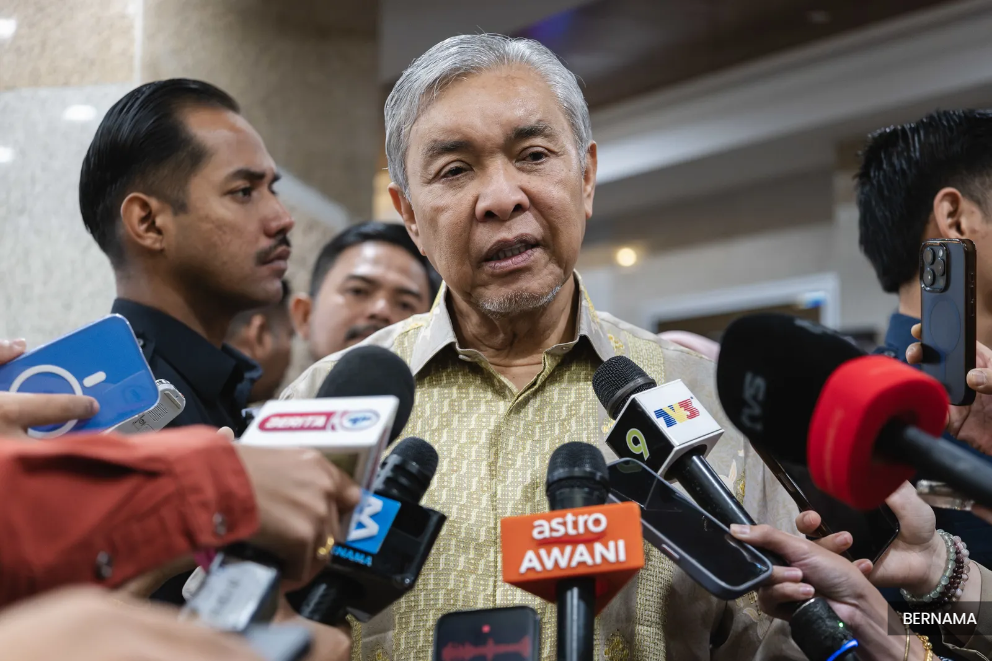
Speaking later at a press conference, he said Malaysia and China have established the Malaysia-China Institute (MCI), which will focus exclusively on high TVET and advanced technologies.
The institute, he said, would be modelled after institutions such as the German-Malaysian Institute and Malaysia-Japan Industrial Institute, but with a specialised focus on future technologies linked to China’s industrial strengths.
“We expect a larger campus to be built beyond the existing facilities,” Zahid said, adding that the overall development cost could exceed RM500 million upon full completion.