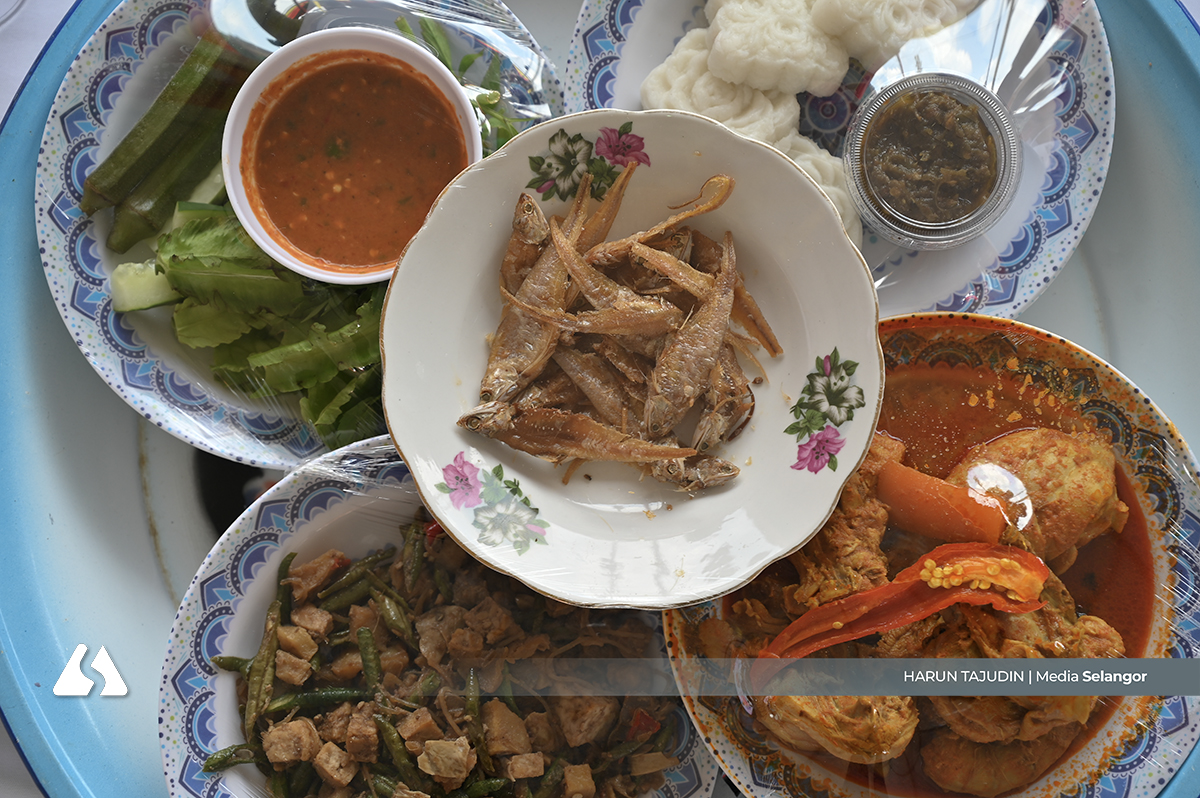
SHAH ALAM, May 10 — Efforts to preserve heritage traditional dishes are no longer a choice but a necessity. It is not merely a matter of satisfying the norm but rather one of urgency.
Otherwise, the dishes the Malay community once enjoyed are at risk of extinction, and most are hard to find. Lately, the local market has been crowded with an overflow of foreign food.
A variety of instant food products, from the West to East Asia, are increasingly popular among the younger generation, driven by changing lifestyles that slowly threaten the survival of traditional heritage dishes.
This is not because traditional food is less tasty or nutritious, but because the new generation, swept up in modernisation, is rarely exposed to the unique qualities of heritage dishes passed down through generations.
In fact, the number of successors among traditional food practitioners is steadily declining. If this situation is left unchecked, time will inevitably erase the cultural value of a dish.
This is the reality faced by the Selangor Malay Customs and Heritage Corporation (PADAT). Therefore, its executive officer Rozzana Rahmat emphasises the importance of gazetting heritage food at the state level.
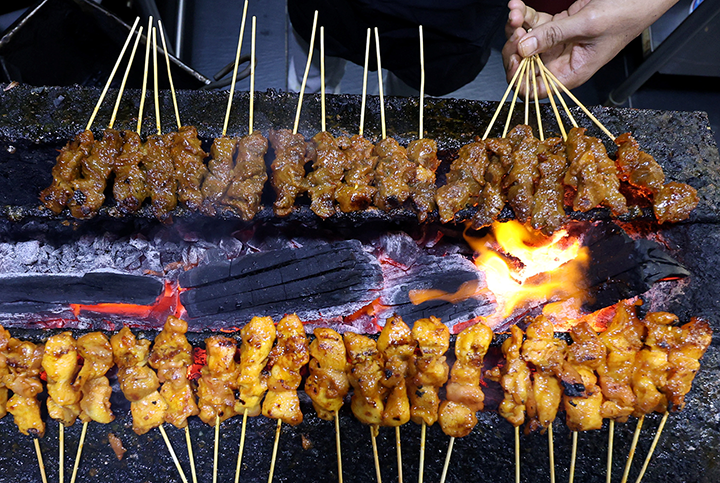
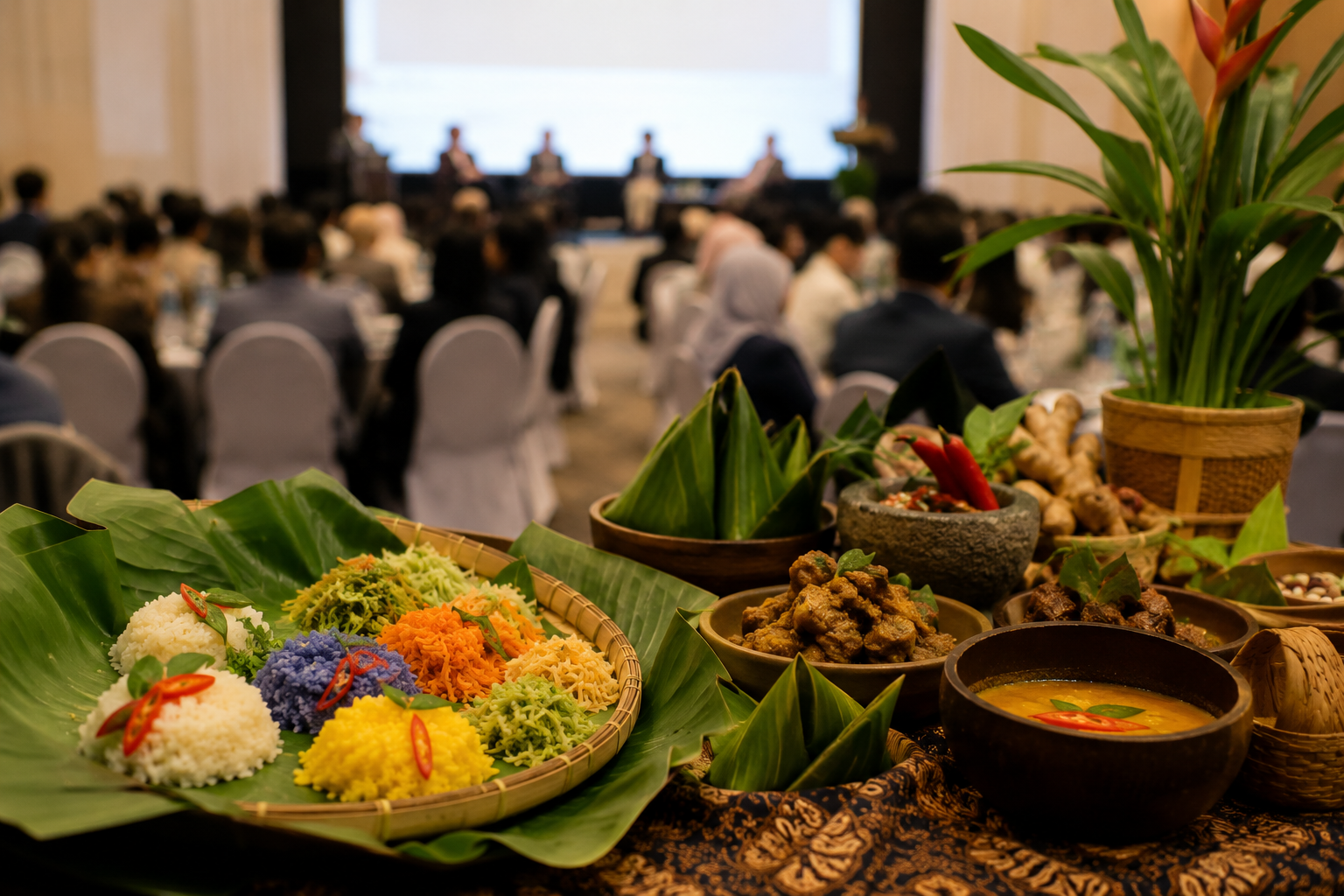
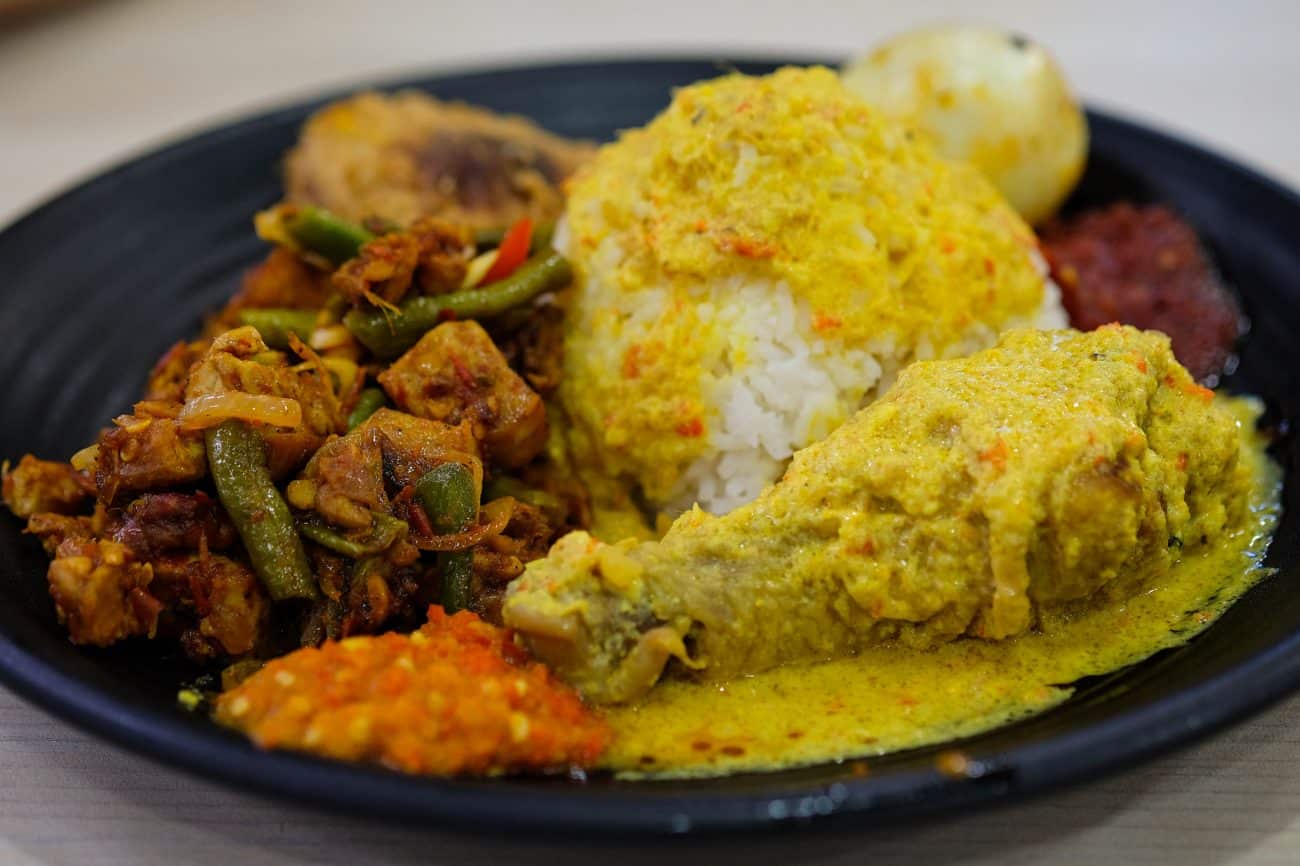
“At the Federal level, 213 foods have been recognised as national heritage, while in Selangor, there are only two, nasi ambeng and Kajang satay,” she told Media Selangor.
This figure reflects the challenges of documenting and elevating traditional dishes as part of the state’s heritage. However, gazetting is not merely an announcement, but rather accompanied by various processes.

This includes field research and expert evaluation before a dish is elevated as an official identity. This ensures that the authenticity of the recipe, ingredients, and preparation methods is preserved.
With this awareness in mind, PADAT is actively ramping up efforts to expand the list of heritage foods, including tat bengkulu and punten, two delicacies with historical value and close ties to Selangor.
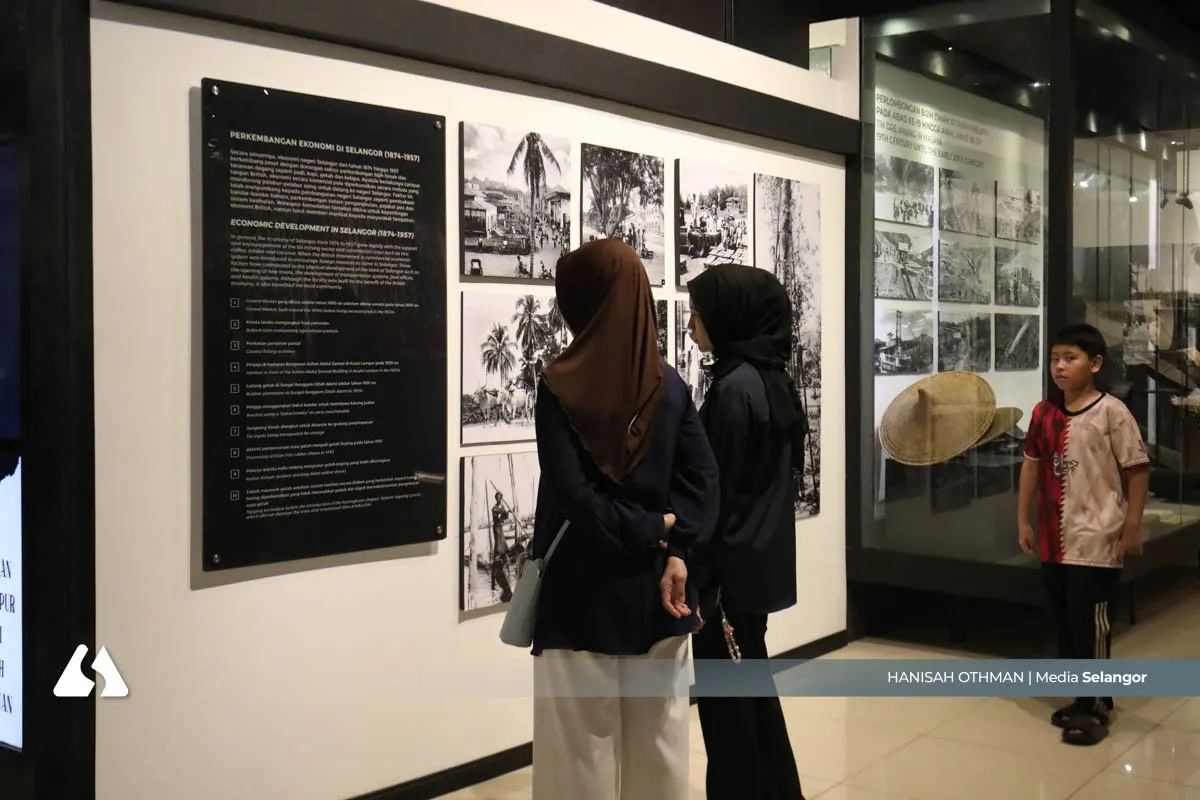
Documentation in the form of publications and digital platforms is also being planned to facilitate access for the younger generation while ensuring that food heritage is not lost to time.
Besides preserving heritage food, the gastronomy sector could potentially serve as an economic asset, not merely a cultural legacy. Thus, traditional foods once enjoyed only by specific communities have the potential to become high-value tourism products.
“Gastronomy is no longer just a cultural heritage, but it has also become a tourism product capable of generating economic returns for the state,” Rozzana said.
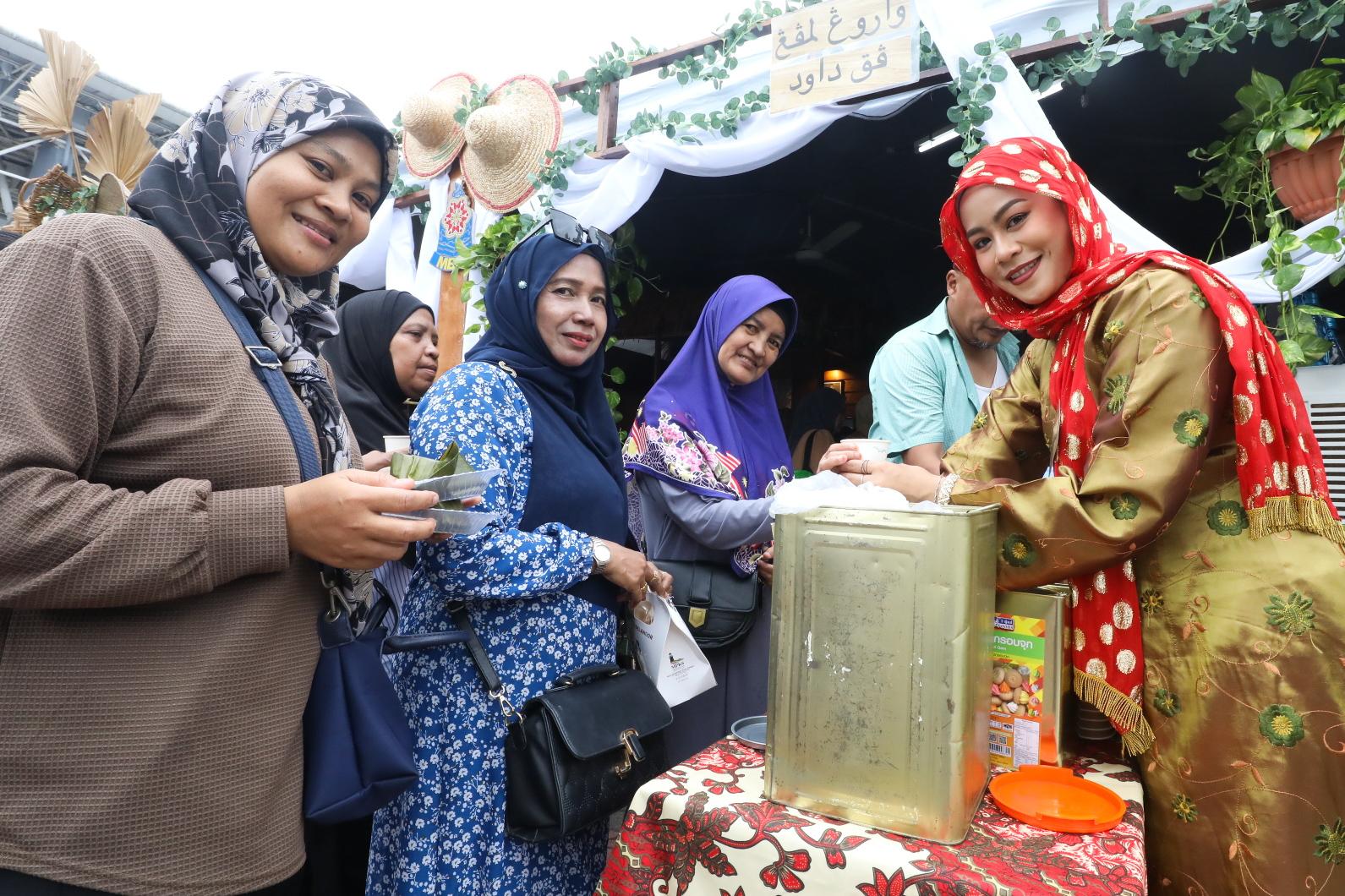
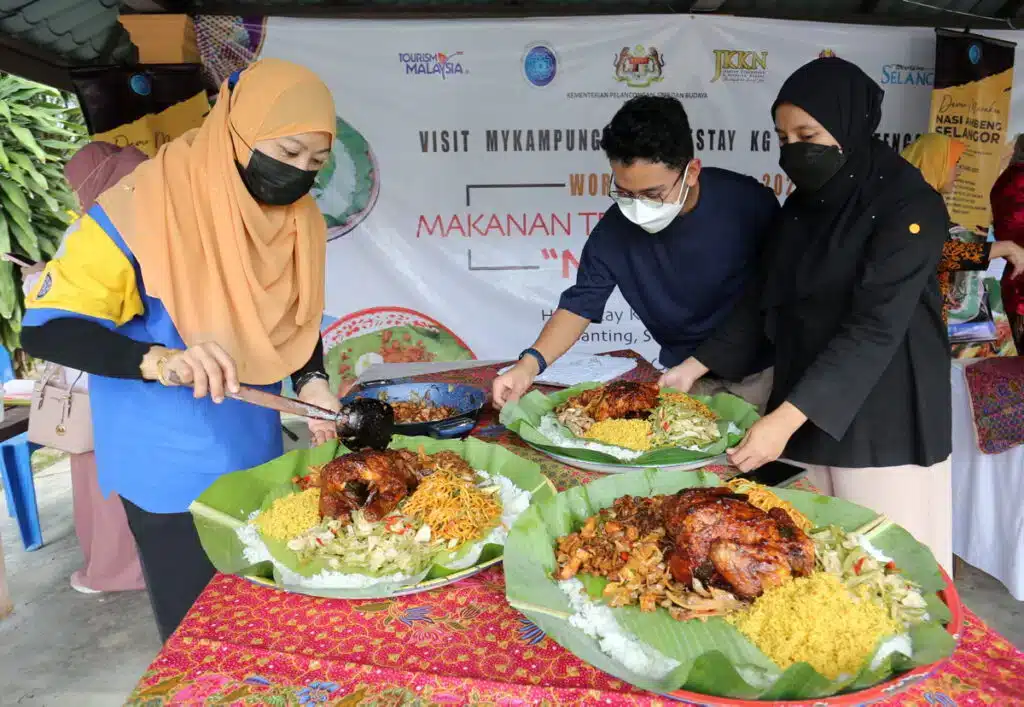
Since 2022, the organisation of the Selangor Heritage Food Festival has been a key initiative to elevate gastronomy as a tourist attraction, particularly for international visitors.
A variety of dishes are presented to the public through cooking demonstrations, culinary competitions, and food pavilions categorised by district. Such a comprehensive approach is important, encompassing gazetting, education, promotion, and the involvement of the younger generation as the line of succession.
Economic stimulus
In these programmes, workshops and exhibitions not only raise public awareness but also give the younger generation space to get to know and appreciate heritage cuisines.
“We are not only introducing traditional foods to the community and tourists, but also helping in generating income for local entrepreneurs and stimulating the local economy,” she said.
The economic spillover affects not only food operators but also the broader chain, including the hospitality, tourism, and retail sectors.
Nevertheless, Rozzana noted that any effort to commercialise heritage food on a global stage must not come at the cost of erasing its core identity. Even when adapted, the essence of authenticity, including the recipe, must be preserved.
Simultaneously, it balances the preservation of traditional food with current demands. Uncontrolled or reckless commercialisation risks altering the original identity.
In the end, the survival of heritage food depends on how much society values it. It will only continue to live on if it is enjoyed, shared, and passed down.