
SHAH ALAM, May 7 — Safety features for drains, supported by technology, could be key to preventing child drownings from falls into open drains, say experts following recent tragedies that have brought up concerns over urban drain safety.
They said while Malaysian drainage systems are primarily built to manage heavy rain and prevent flash floods, greater emphasis must be placed on public safety, especially for children.
Universiti Teknologi MARA (UiTM) School of Civil Engineering lecturer Prof Wardah Tahir said the priority should be identifying high-risk open drains, especially near homes, schools and public areas.
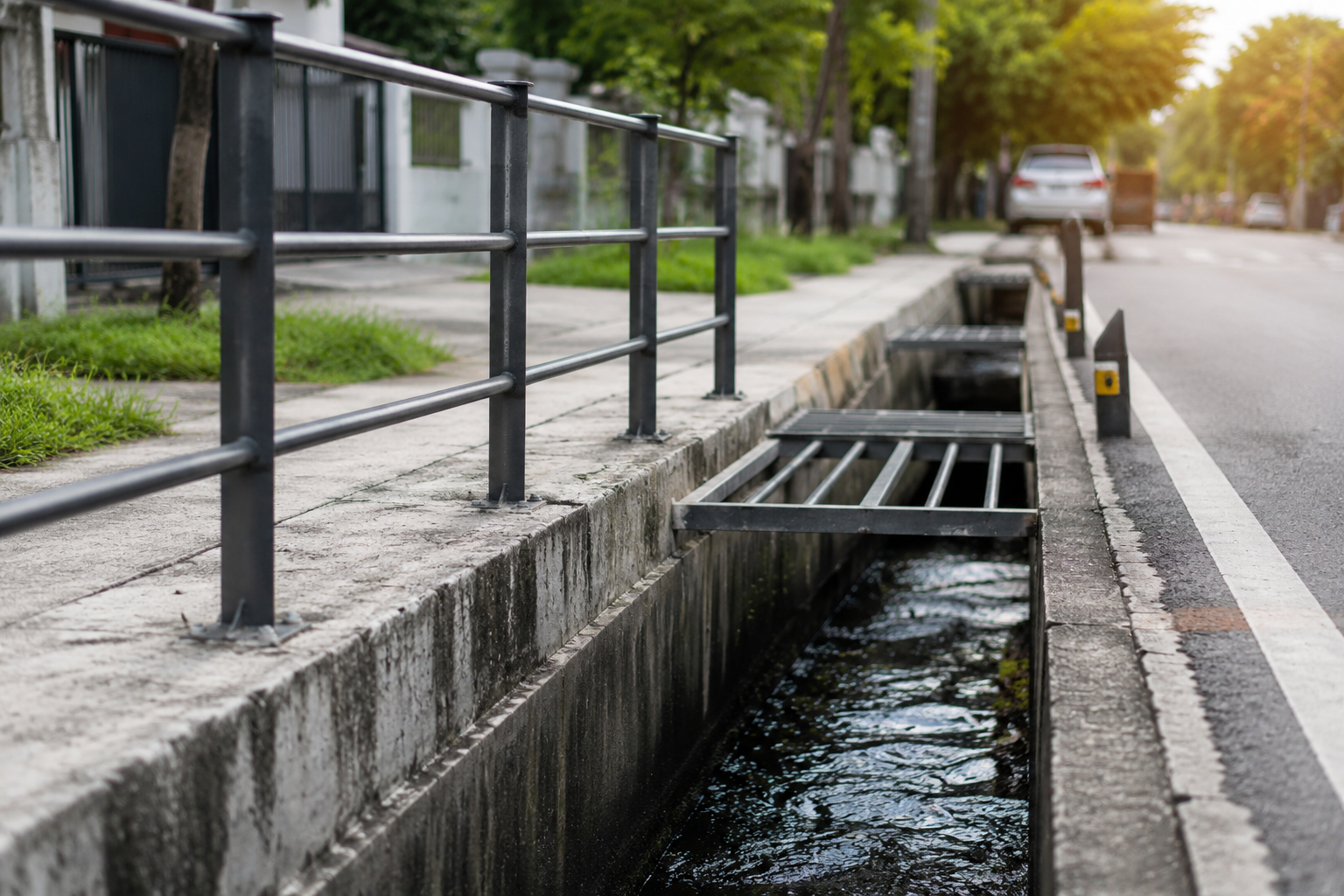
“Hazardous drains, especially those that are deep, fast-flowing, or have large openings, should be fitted with protective features such as covers, grates, barriers and warning signs, along with safer pedestrian access.
“Drain design must go beyond water flow capacity and include child-safe features as a standard requirement,” she told Media Selangor.
Wardah said urban drainage systems must evolve to balance two key functions — to efficiently channel stormwater and to effectively protect the public, including by building enclosed drains in high-risk zones and incorporating sustainable features such as retention ponds and permeable surfaces.
She also voiced support for a national safety audit to map and prioritise hazardous locations, which would allow authorities to act based on risk levels.
On May 4, Menteri Besar Dato’ Seri Amirudin Shari said the state government will mobilise local authorities to review and investigate all high-risk drains across Selangor, following two drowning incidents involving children.
One case involved a 10-year-old boy in Bandar Puncak Alam, Kuala Selangor, while the other involved nine-year-old Nur Qaseh Deandra Mohd Qayyum in Bandar Mahkota Cheras, both of whom drowned after falling into drains.
Multifaceted measures
UiTM Faculty of Civil Engineering senior lecturer Suzana Ramli meanwhile suggested installing anti-climb fences for large and deep drains as a more practical and cost-effective measure, instead of fully covering the structure.
“I would suggest combining physical safeguards with smart monitoring systems, including IoT-based water sensors, automated sirens, CCTV surveillance and real-time alerts to nearby communities.
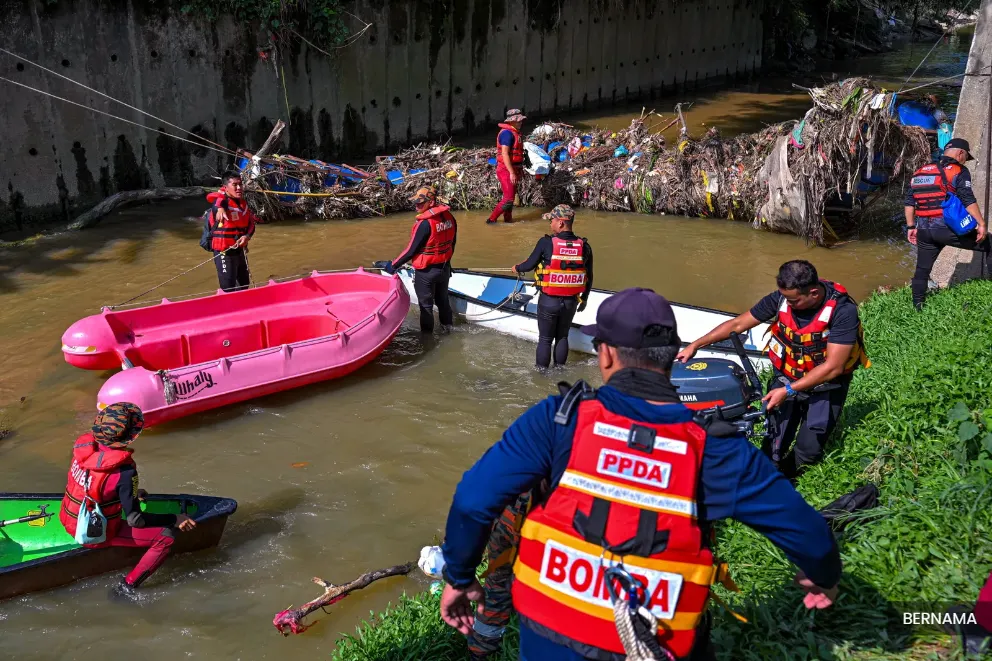
“Short-term measures should prioritise restricting access and reducing the risk of victims being swept away, rather than undertaking costly structural overhauls,” she said, adding that modular fencing, safety grills at culverts, and nets or booms at strategic points such as bends, bridges and drainage outlets could be among the other immediate solutions.
Universiti Sains Malaysia’s School of Civil Engineering lecturer Assoc Prof Mohamad Fared Murshed said safety considerations must be strengthened for monsoon drain systems — which are designed to rapidly channel rainwater and are thus fast-flowing — especially those located near residential and public areas.
“Fully covering all drains may not always be suitable, as it could lead to blockages and increase flood risk if not properly designed. I would suggest a risk-based approach that balances hydraulic performance with user safety.”
He called for a transition towards more sustainable urban drainage systems, including retention ponds, bioswales, filtration systems and green infrastructure, which help reduce water flow velocity and reliance on large open drains.
Fared also supported a national safety audit focusing on high-risk areas, guided by criteria such as drain depth, water flow speed, accessibility, incident history, and proximity to schools or residential zones.
“For the short term, I suggest cost-effective measures such as warning signage, safety fencing, improved lighting, routine maintenance, hotspot mapping and patrols during heavy rain, alongside public awareness campaigns.”
All three experts agreed that preventing further drownings requires a multipartisan approach involving authorities, engineers, urban planners, communities and parents, and a combination of safer infrastructure with smart technology and proactive risk management.