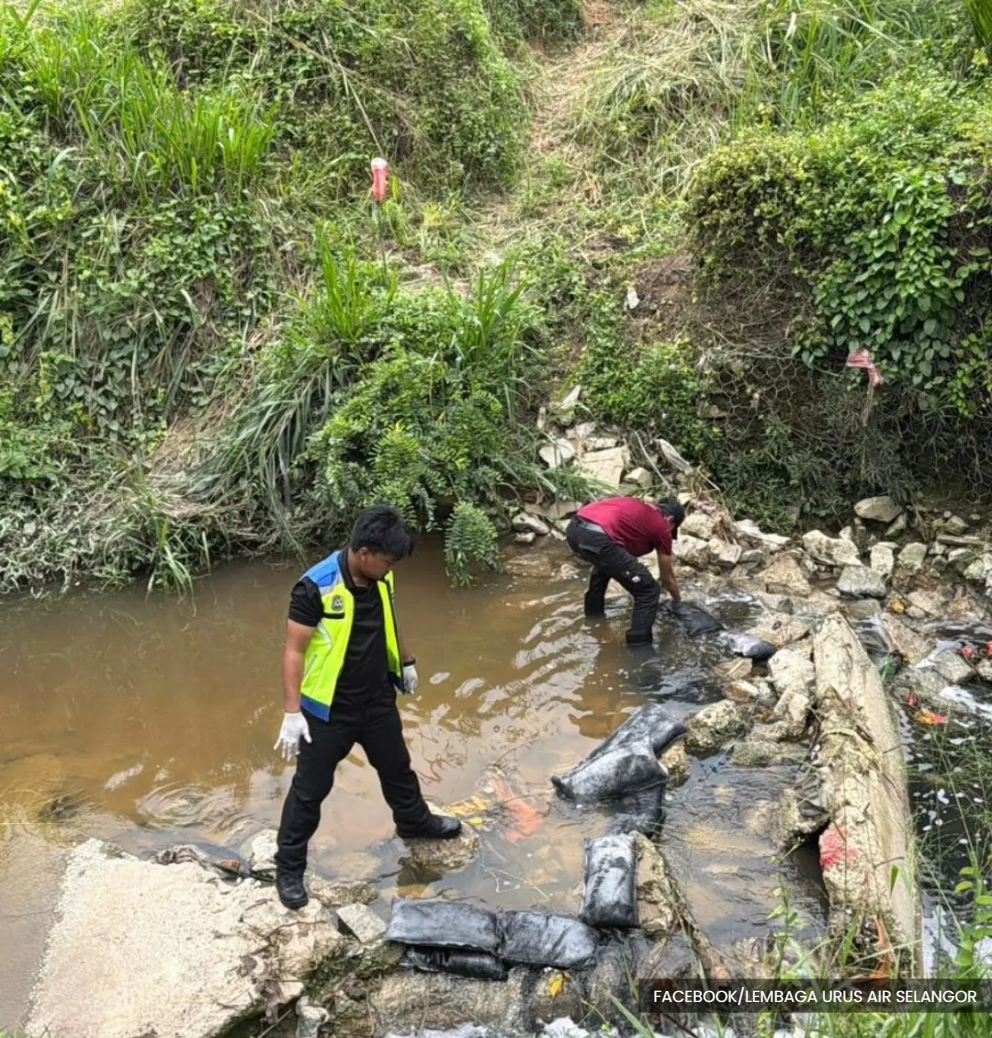
SHAH ALAM, May 5 — A recycling facility suspected of causing the recent odour pollution in Sungai Semenyih was found to have violated its licence conditions under the state’s Zero Discharge Policy (ZDP).
State executive councillor for public health and environment Jamaliah Jamaluddin said investigations by the Selangor Water Management Authority (LUAS) revealed that the premises in Mahkota Beranang had failed to comply with requirements under its effluent discharge licence.
“Checks found that the premises had a Return Water Discharge Licence under the Regulations on Licensing of Discharge of Return Water, and Entry or Release of Waste and Pollutant Substances (State of Selangor) 2024, or ZDP, but failed to comply with the stipulated conditions,” she said in a statement today.
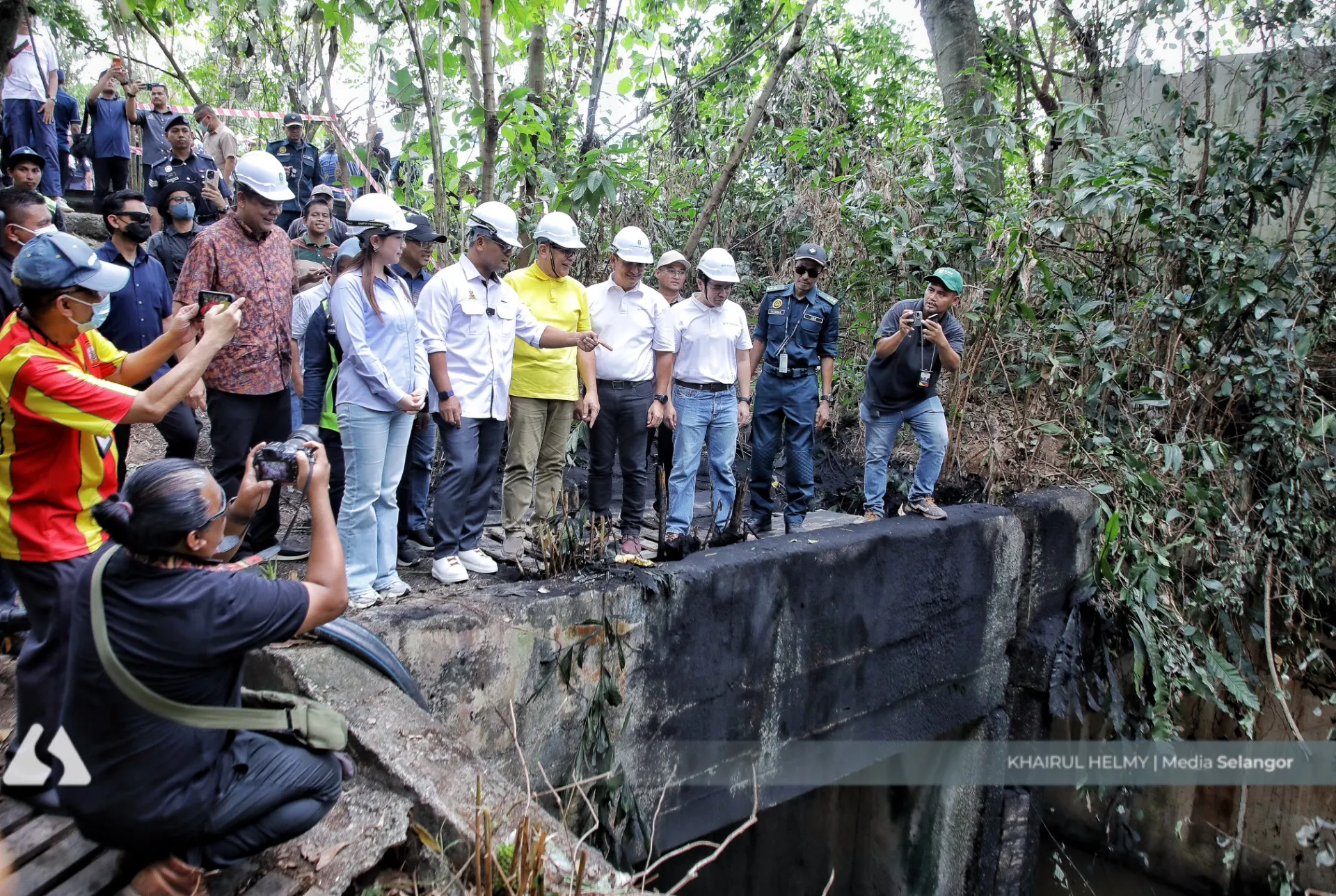
Despite holding a valid licence, the premise was found to discharge coloured effluent directly into the drainage system, which eventually flowed into Sungai Kabul, causing the odour pollution detected downstream in Sungai Semenyih.
LUAS has since opened an investigation paper under Section 79(4) of the LUAS Enactment 1999 for river pollution offences, as well as Section 59 for non-compliance with licence conditions.
“The Selangor government and LUAS will not compromise and will take firm action against any party found to have deliberately or negligently caused water pollution.

“All activities must be conducted with proper approvals and strict adherence to licence conditions. Failure to control safety and operational aspects can pose serious risks to water sources and disrupt water supply to the public,” Jamaliah said.
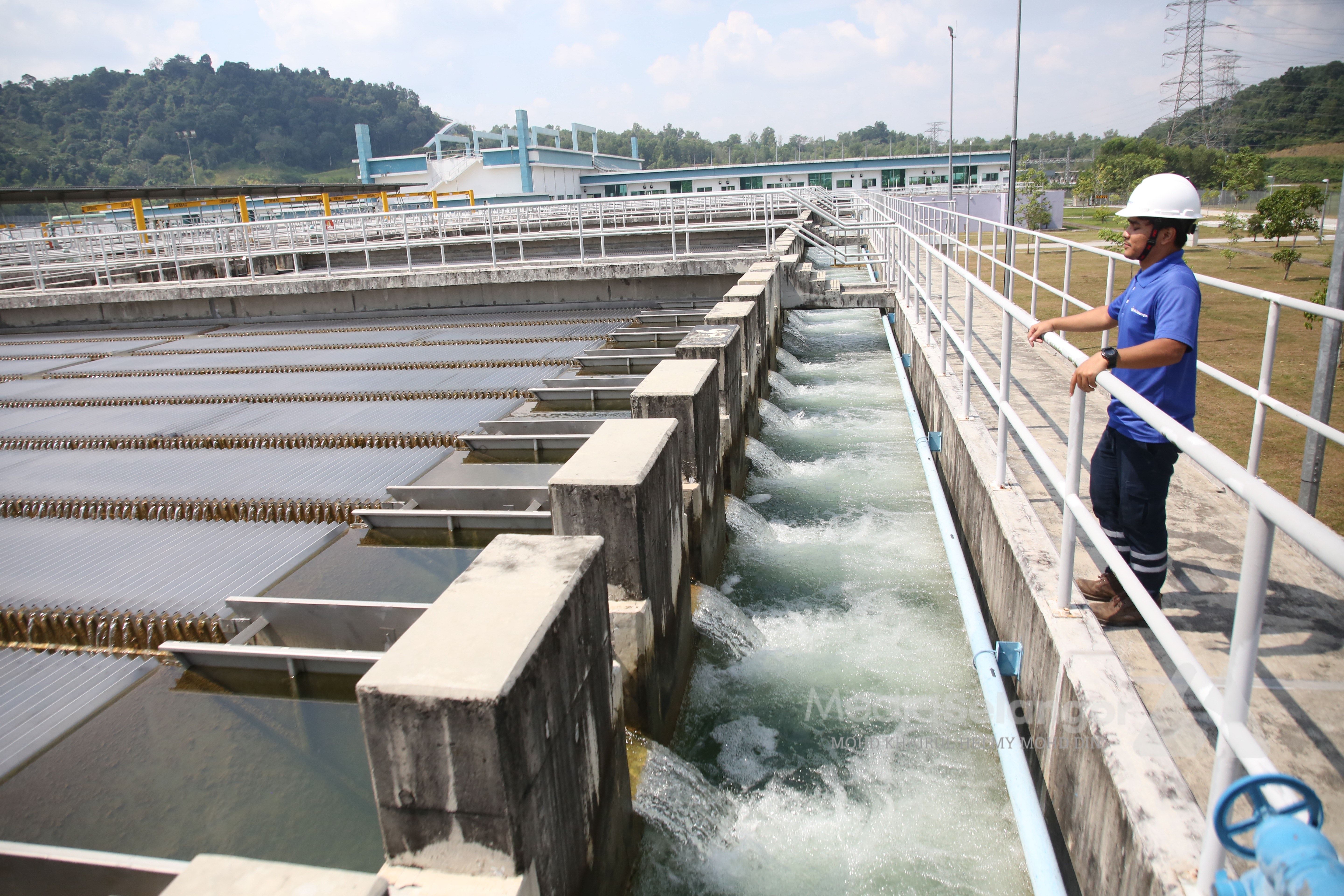
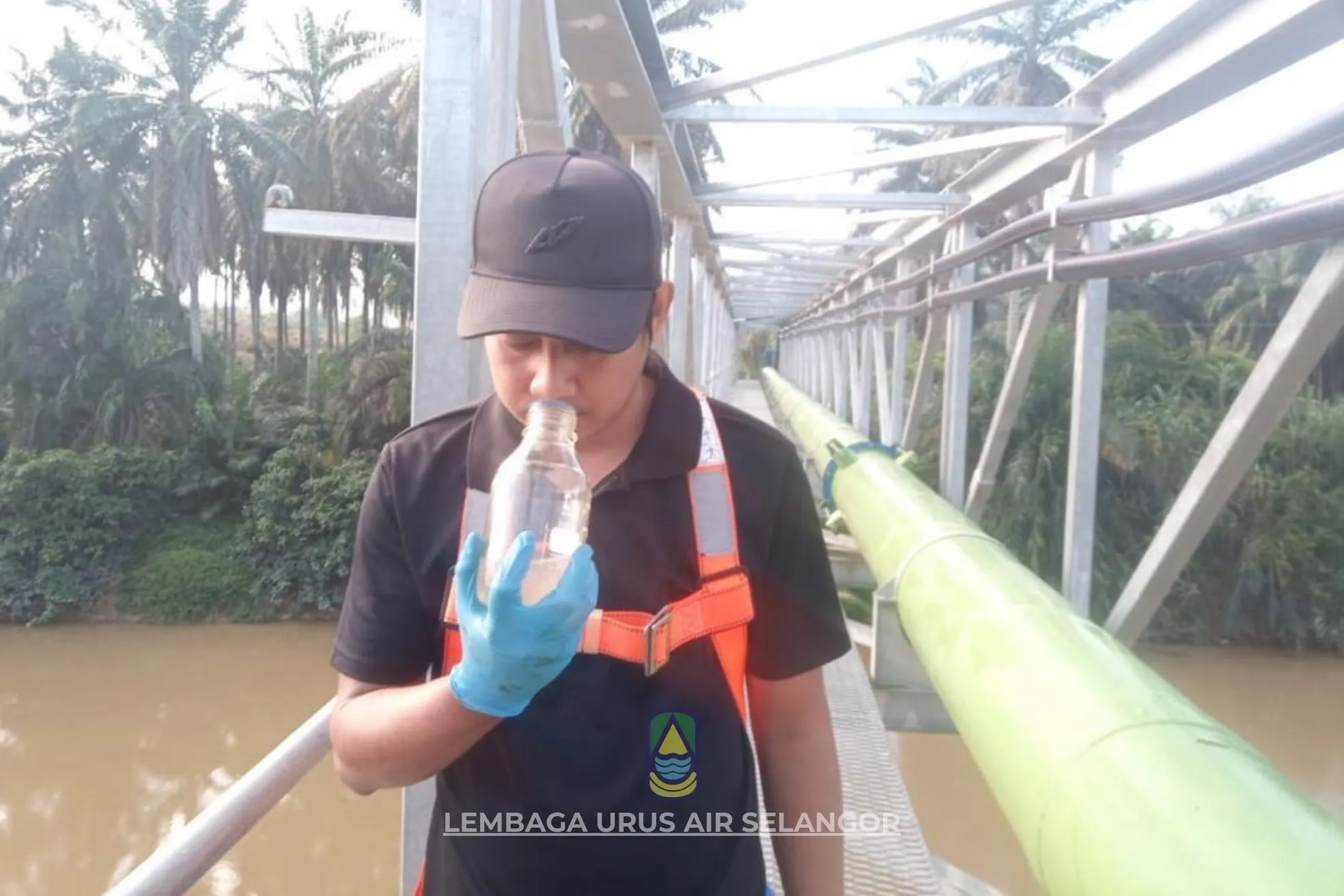
The pollution incident was first detected at 10.30am on Sunday (May 3), when abnormal odour readings of up to 2 Threshold Odour Number were recorded in Sungai Semenyih, posing a risk to operations at nearby water treatment plants (WTP), including Sungai Semenyih and Bukit Tampoi.
LUAS then activated a Code Yellow emergency response under Selangor’s water pollution manual to facilitate immediate investigation, mitigation and preventive measures.
A joint inspection with Pengurusan Air Selangor Sdn Bhd was conducted early the next morning, which traced the source of pollution to the industrial premises.
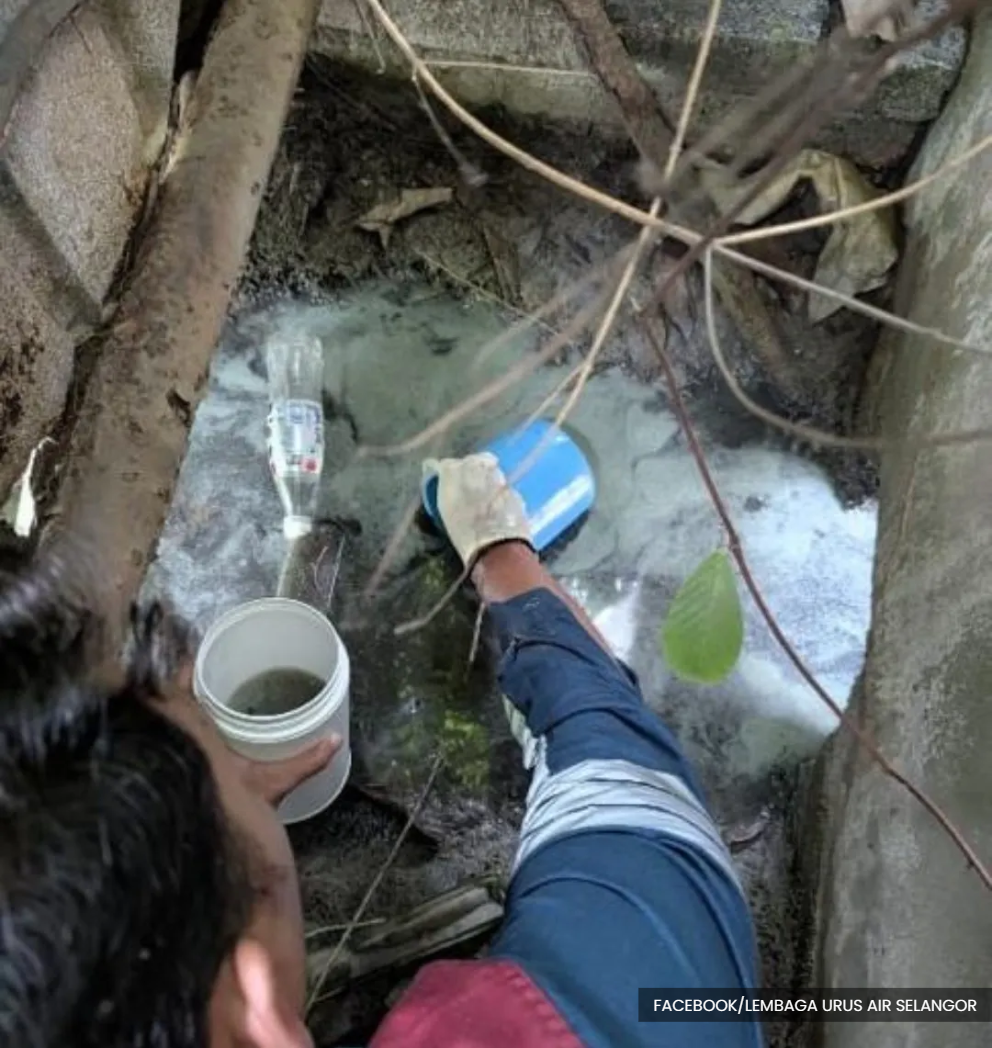
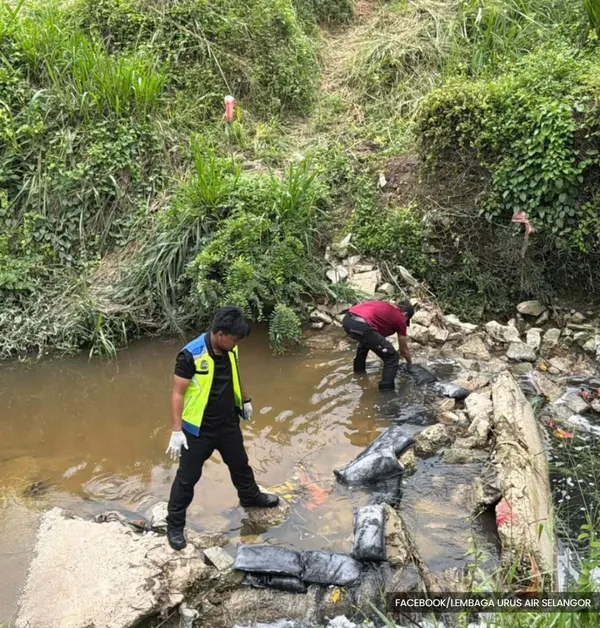
“LUAS has issued a directive under Section 121(1) of the LUAS Enactment for the premises to immediately cease the discharge and carry out clean-up and control works at the site,” she said.
As part of mitigation efforts, approximately 100kg of activated carbon was deployed at affected locations in Sungai Kabul to neutralise odour, while intensive monitoring was conducted along both rivers.
The authorities also activated the Raw Water Security Scheme (SJAM), channelling up to 770 million litres per day of water from alternative sources to ensure an uninterrupted raw water supply to treatment plants.
“Sampling has been conducted at the affected locations and submitted to the Chemistry Department for further analysis,” Jamaliah said.
As of 8pm yesterday, monitoring confirmed that no abnormal odour was detected in either Sungai Semenyih or Sungai Kabul, and that river conditions had returned to normal. Operations under the SJAM were subsequently halted, and the Sungai Semenyih WTP resumed normal operations.