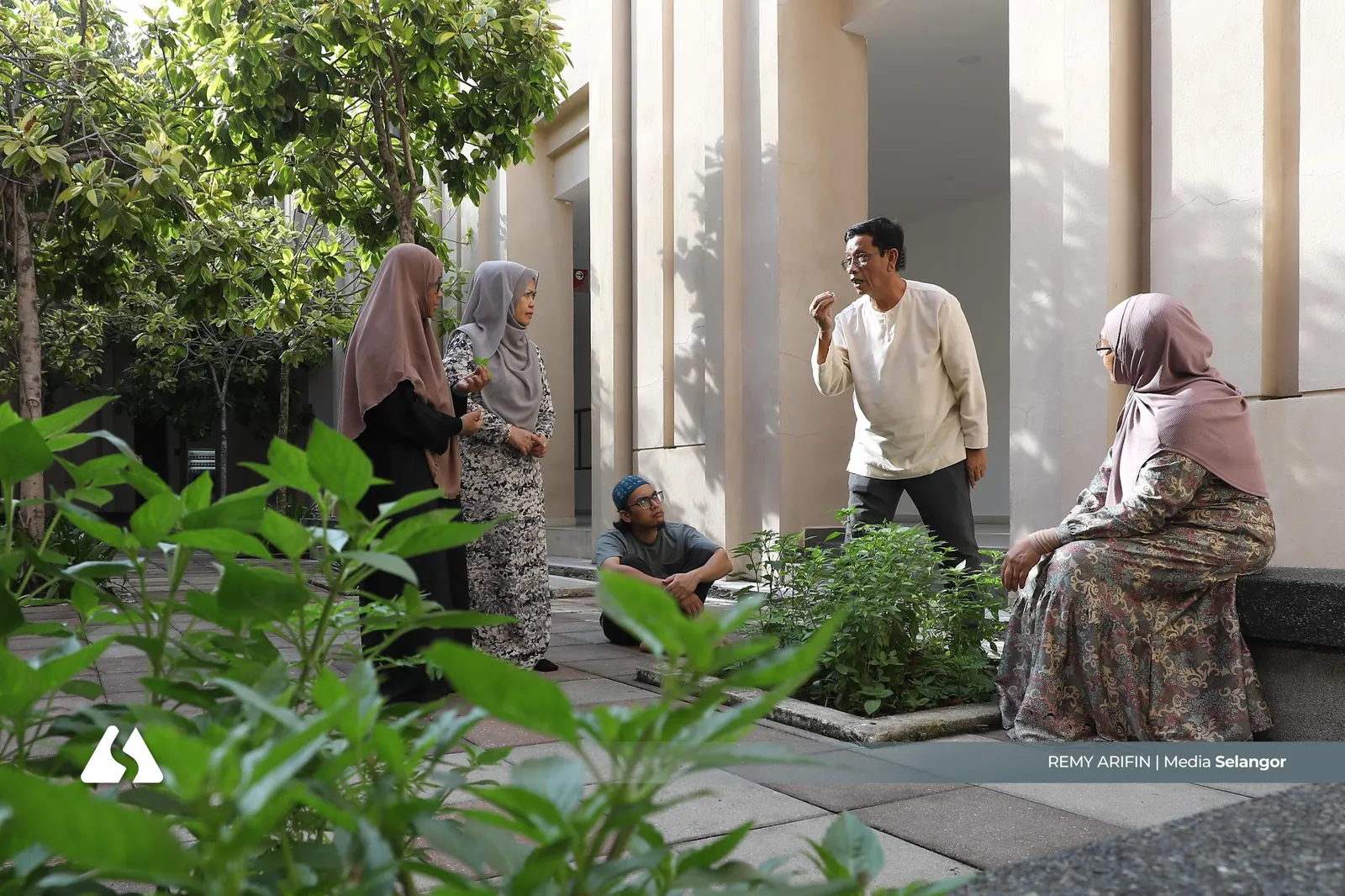
SHAH ALAM, May 4 — In suburban housing areas such as Legenda 2 in Bukit Jelutong, small spaces in home gardens are increasingly being given new meaning as they become starting points for knowledge-sharing on gardening among residents.
Through the ‘Interactive Session: Green Living’ programme held here, more than 200 residents gathered in a relaxed setting to listen to practical sharing on basic agriculture that can be easily applied at home.
“Many are interested, but when they receive the wrong guidance on planting, they fail halfway and eventually give up,” said agricultural speaker and community educator Alias Saad.
He also stressed the importance of basic education as a first step before moving on to the use of technology.
Keeping it simple
He advised beginners to start with easy-to-grow plants as an initial step to build confidence.
“If we want to start, do not plant fig or pomegranate trees that we have no knowledge of. We start with plants that are easy,” he said.
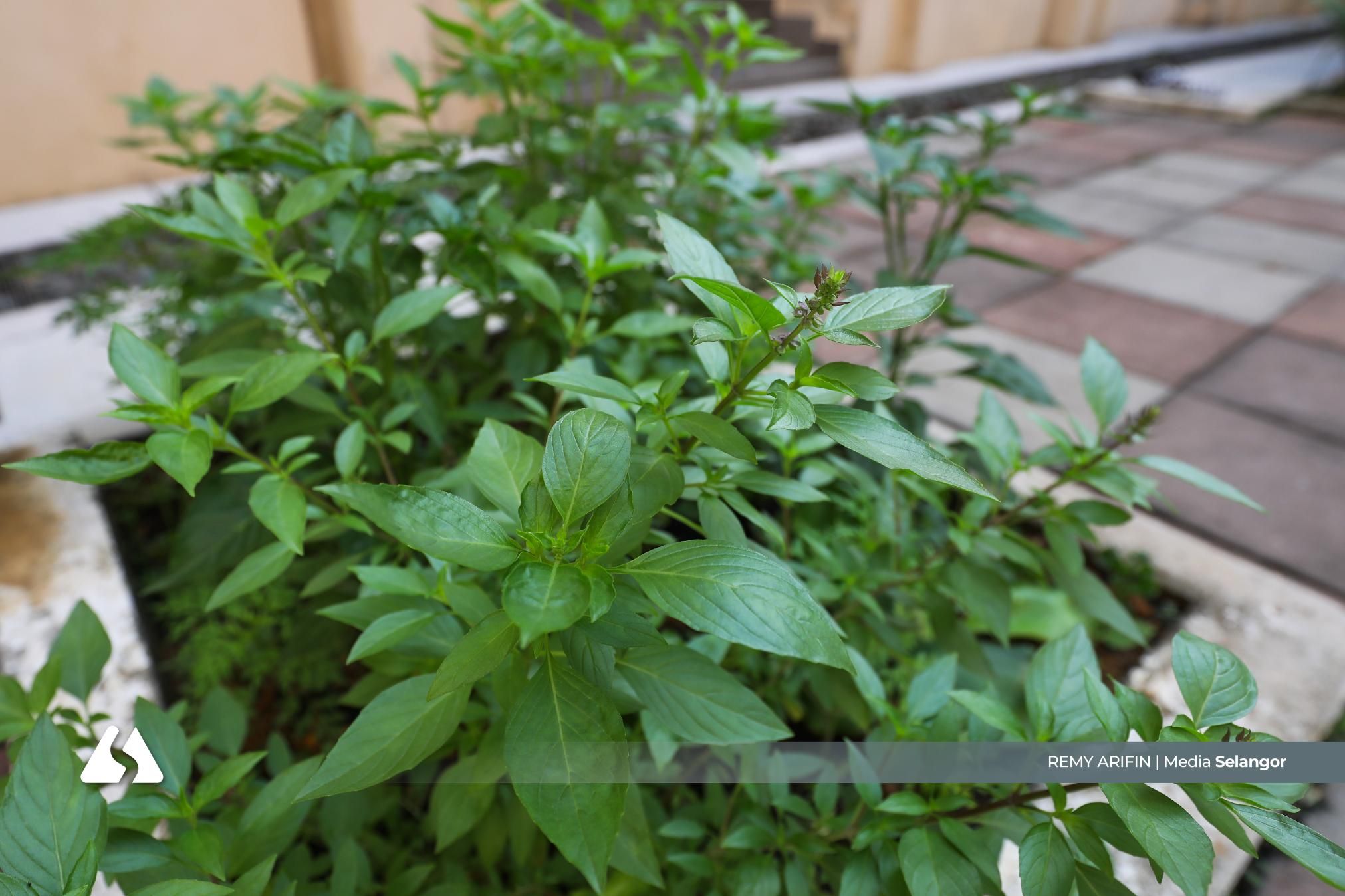
Examples of recommended plants include Brazilian spinach, lemuju and basil, which are easy to grow and require minimal maintenance.
Such plants not only provide quick yields but also help residents understand basic care such as watering, sunlight exposure and plant growth in a practical way.
This approach helps avoid early failures that often cause interest in gardening to fade.
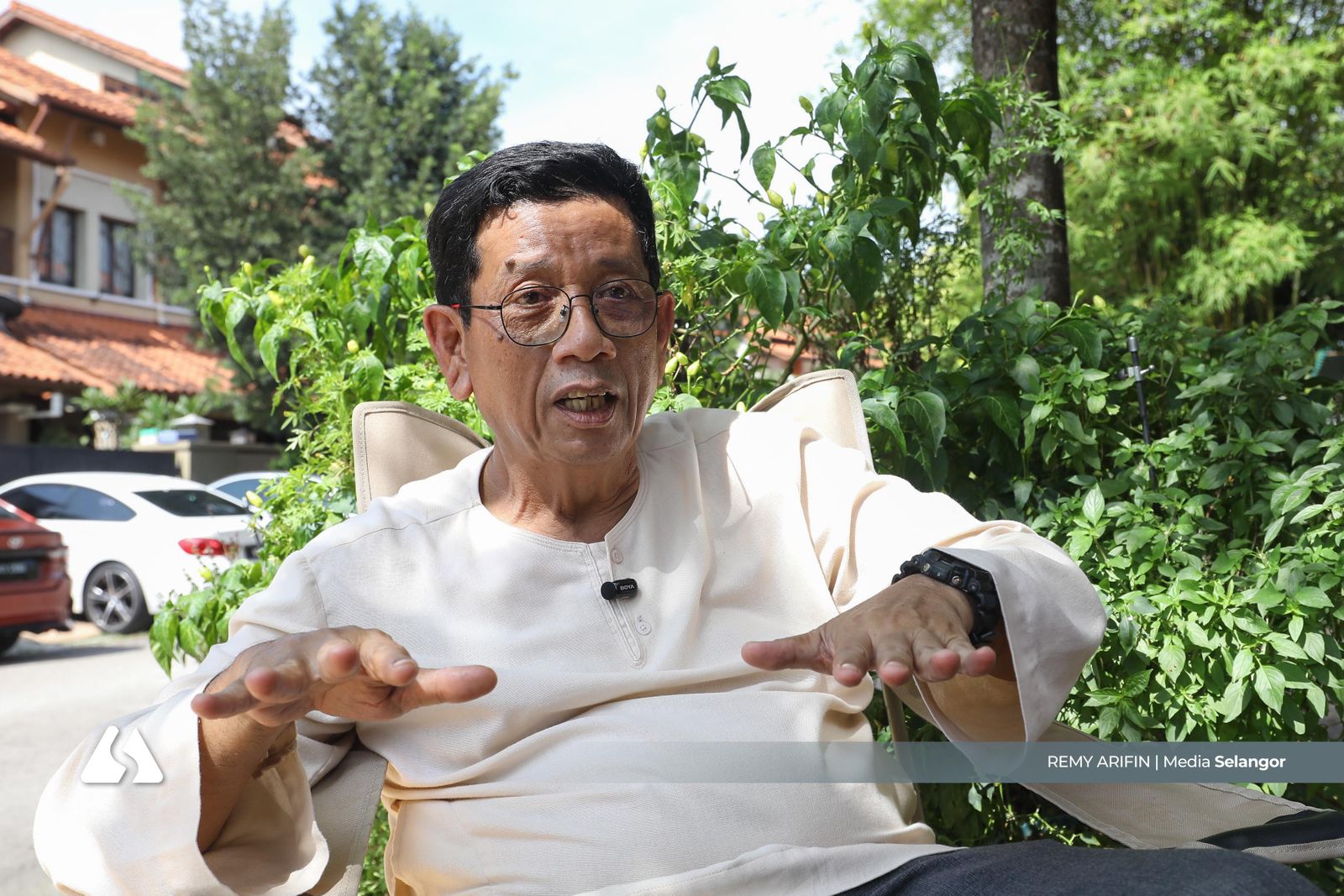
At the same time, Alias explained that gardening should not be viewed solely as a food production effort, but can also be combined with landscaping elements to beautify homes.
“We should not plant crops solely for food purposes, as it is our place of residence, so we should beautify it through landscaping,” he said.
He suggested choosing plants with varied features such as green foliage, flowers and fruit to create a more attractive home environment.
This combination not only makes the space more lively but also gives homeowners satisfaction when their plants can be directly utilised.
Understanding sunlight
He also highlighted sunlight as an important factor, especially for those living in multi-storey homes.
“As planters, we need the sun,” he said.
He explained that each plant has different requirements for sunlight, so plant selection must be matched to the home’s exposure to the morning, afternoon or evening sun.
Plant failures in condominium areas are not due to lack of space, but rather a lack of understanding of basic plant needs.
According to him, with some knowledge and observation of the environment, residents can still grow various plants even in limited spaces.
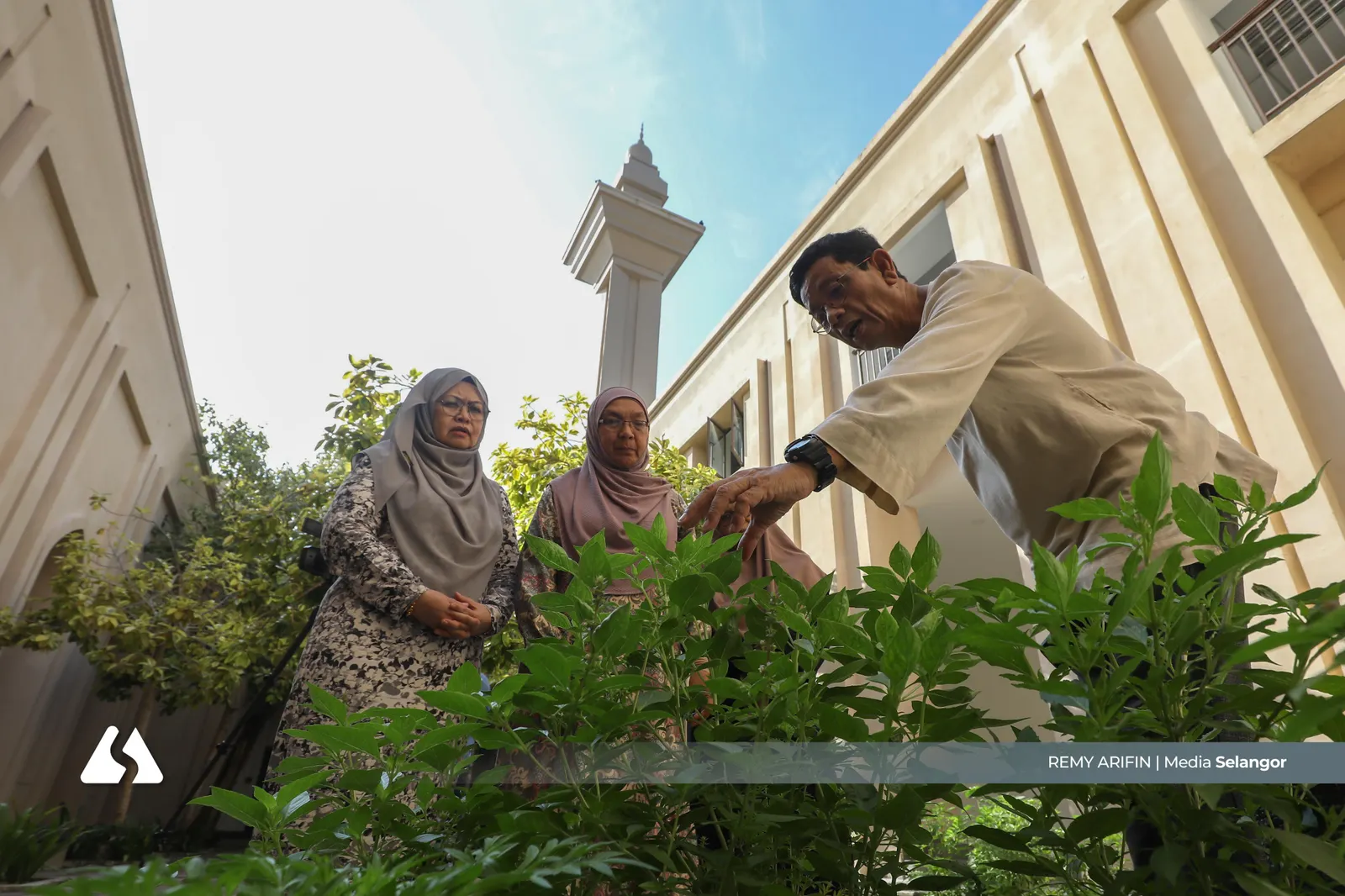
In the same session, he also encouraged a gardening approach that returns to natural ecosystem concepts by mimicking plants’ original habitats.
This includes understanding the role of soil, microbial balance and an environment that supports growth without excessive reliance on chemicals.
Improper use of pesticides can negatively affect plant health by disrupting natural processes such as photosynthesis.
Instead, understanding plant nutrition needs and biological processes is more important to ensure healthy growth.
Participants were also exposed to practical methods, including the best timing for planting to help roots adapt to new environments.
Proper timing and planting techniques can increase success rates without incurring high costs.
In Legenda 2, initiatives like this show that small home garden spaces are not just for greening surroundings, but also serve as a foundation for building a more knowledgeable and self-reliant community.