PUTRAJAYA, May 3 — The Enforcement Agency Integrity Commission (EAIC) has identified several forms of high-risk governance misconduct that could occur in managing an energy supply crisis following conflicts in West Asia, particularly involving the distribution of aid and fuel subsidies.
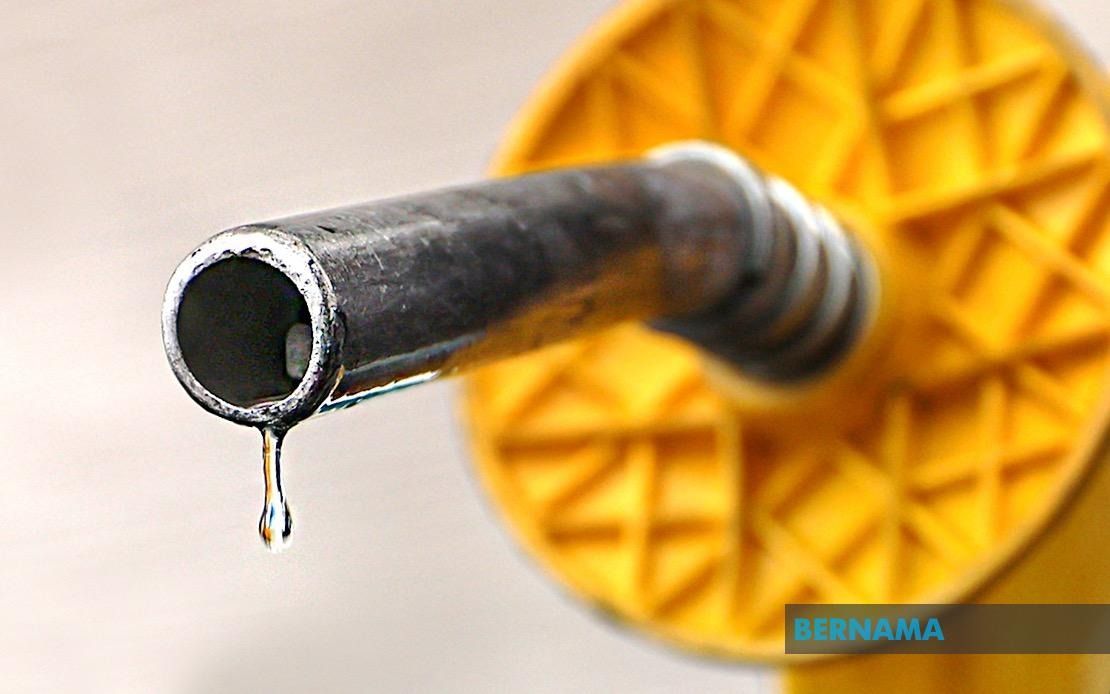
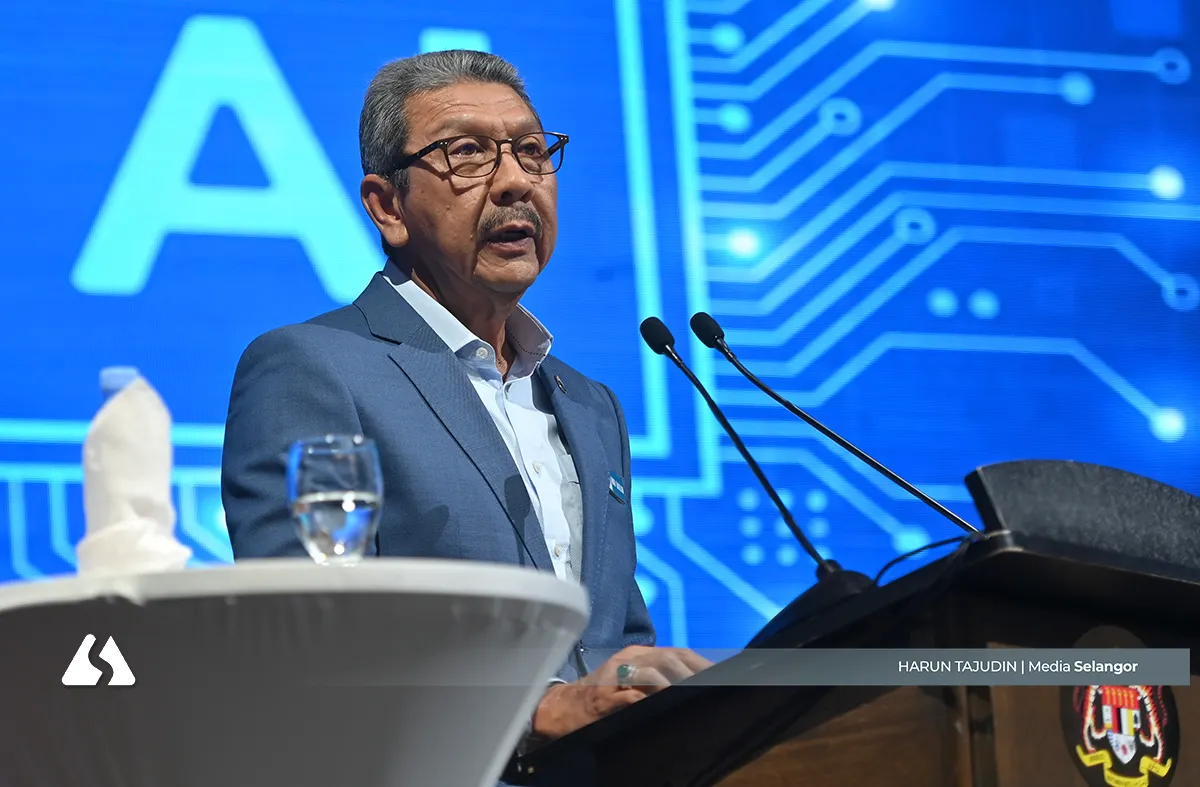
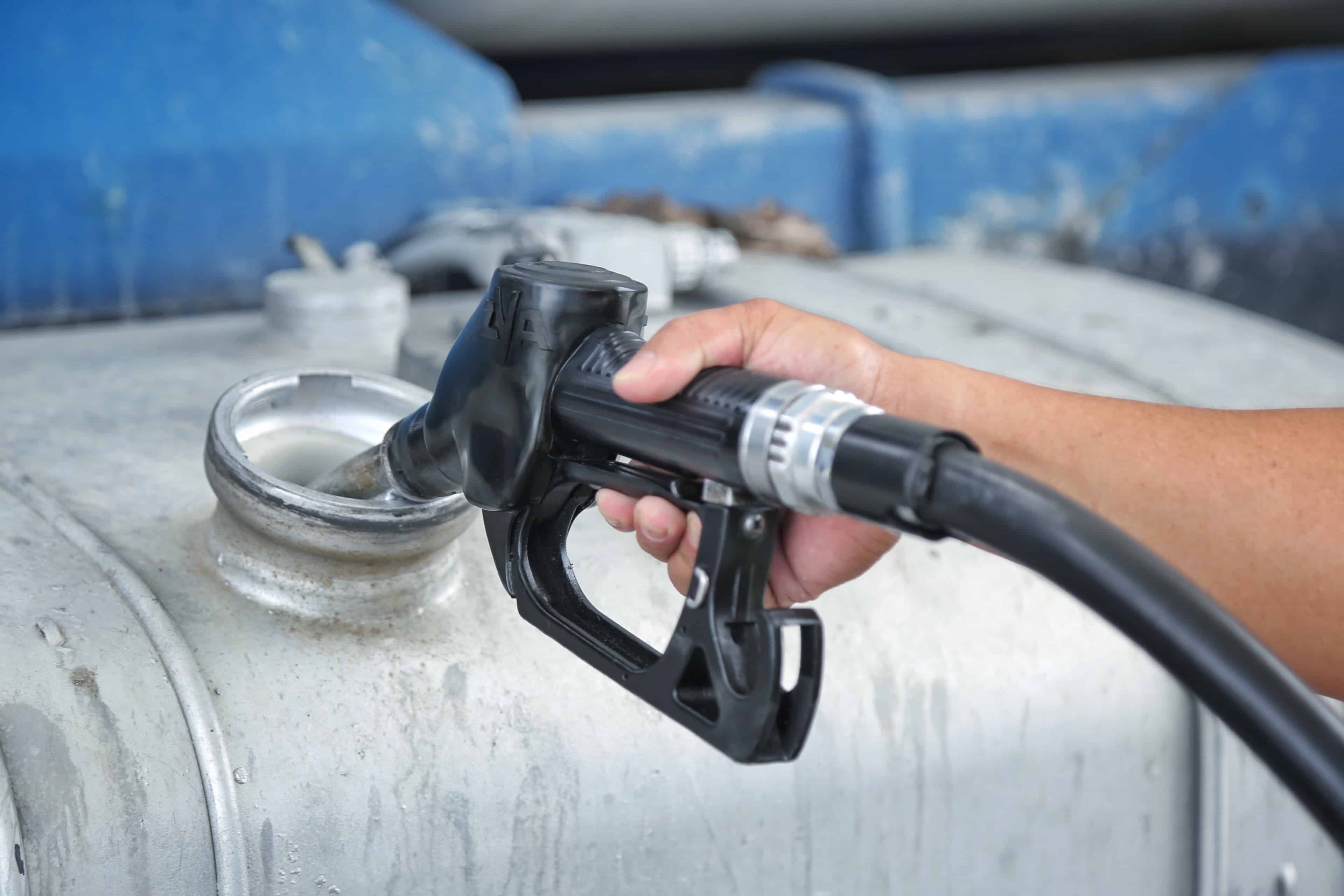
Its chairman Tan Sri Ismail Bakar said the risks arise when enforcement actions are carried out under urgent conditions to curb leakages of public resources, including subsidies for RON95 petrol, diesel, and liquefied petroleum gas.
Based on the EAIC’s mandate to oversee 20 enforcement agencies, three main risk areas during crisis periods were identified: smuggling of subsidised fuel, especially at the border, and enforcement officers abusing their authority or failing to comply with standard operating procedures (SOPs).
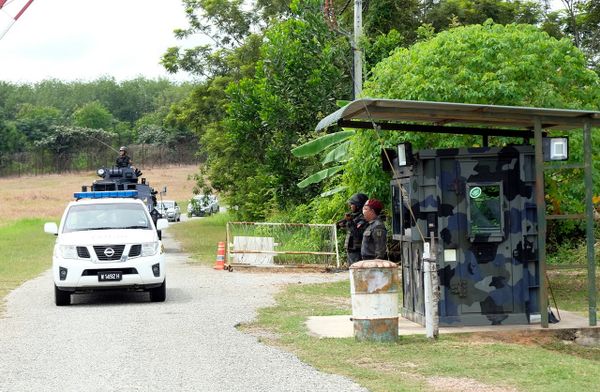
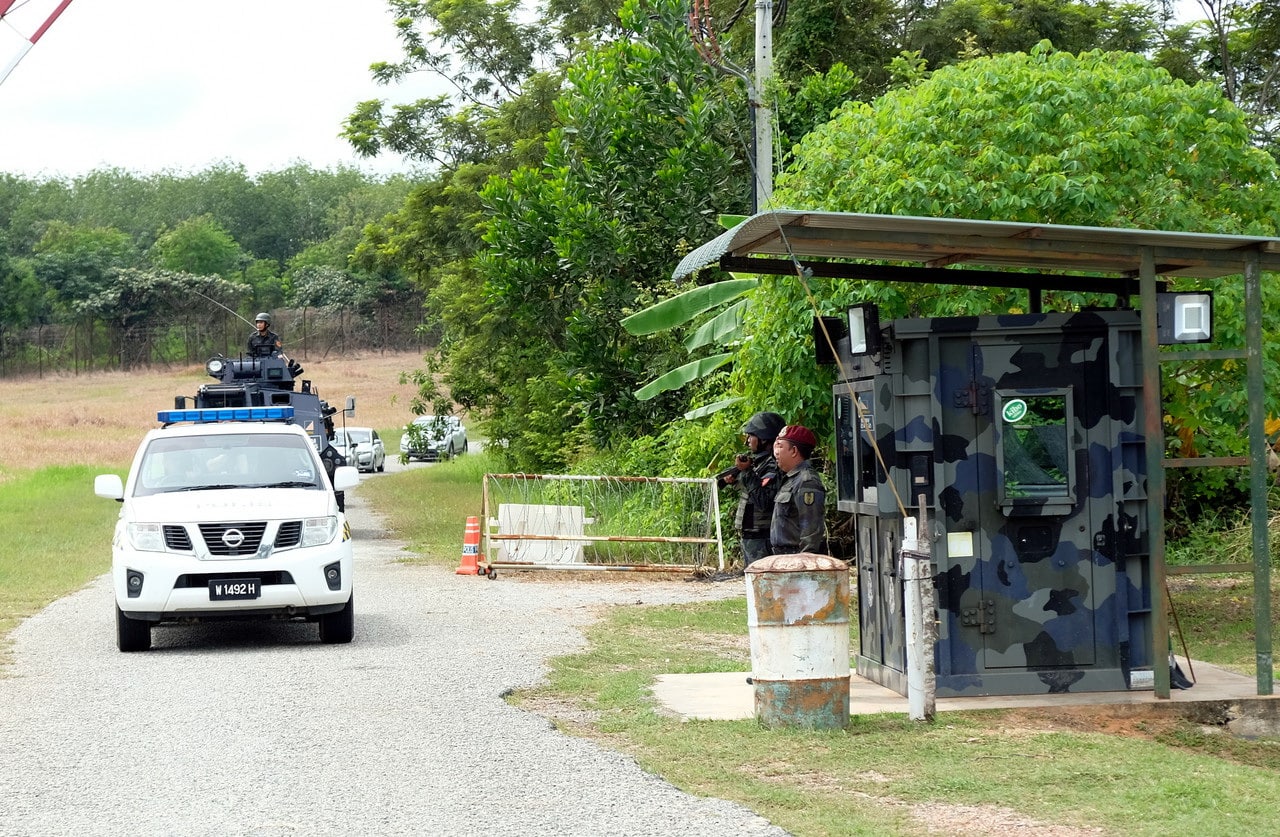
“For example, enforcement officers stationed at border entry points may allow vehicles carrying subsidised fuel to pass through if inspections are not conducted strictly and thoroughly, resulting in the fuel being successfully smuggled out by irresponsible parties,” he told Bernama.
Ismail added that they also identified risks of fuel-supply misappropriation among enforcement personnel, particularly when fuel allocated for operational purposes is misused for personal gain.
The commission has previously received complaints and conducted investigations into cases of the misuse of departmental fuel supplies, highlighting the need for stricter internal controls over operational resources.
He emphasised that effective monitoring at petrol stations and high-risk areas is a critical factor in combating leakages of subsidised fuel, including cases where individuals misuse subsidies by allowing their identity cards to be used by ineligible parties.
Commenting on the government’s move to temporarily deploy Royal Malaysia Police (PDRM) personnel at 151 high-risk petrol stations, Ismail described the initiative as a proactive measure that could strengthen enforcement and curb fuel subsidy leakages.
“This step also allows enforcement officers from the Domestic Trade and Cost of Living Ministry (KPDN) to focus on other high-risk locations such as fishermen’s diesel depots, unbranded stations, illegal jetties, as well as ship-to-ship oil transfers or illegal bunkering activities,” he said.
However, the effectiveness of these measures is still in its early stages and requires continuous monitoring to assess their actual impact on reducing subsidy leakages.
So far, the EAIC has not detected any clear early signs of abuse of power or governance misconduct following the implementation of the government’s intervention measures, but monitoring of public complaint trends will continue to be strengthened as the handling of subsidised materials remains a high-risk area during crises.
Coordination among enforcement agencies during crises needs to be strengthened through a more structured approach to avoid overlapping duties and on-the-ground implementation delays, while improving operational efficiency.
“Among the key measures that can be implemented is the establishment of a crisis coordination centre or command centre at the national or ministerial level to ensure instructions are centrally coordinated, and each agency carries out its responsibilities in an orderly manner,” Ismail said.
Establishing clear SOPs for enforcement duties is an important element in strengthening governance during crises, including defining jurisdictions, workflows, and official communication channels to ensure each agency understands its role and avoids functional overlaps that could undermine operational effectiveness.
“Centralised information sharing through digital systems or shared platforms also enables all agencies to act based on uniform data, thereby reducing inconsistencies and delays in enforcement actions.”
“This approach can enhance monitoring efficiency and facilitate quicker detection of integrity issues, especially in crisis situations that require immediate responses,” he said.
Appointing liaison officers or “focal persons” for each enforcement agency also plays an important role in coordinating inter-agency actions and ensuring information is conveyed accurately and consistently.
Meanwhile, the EAIC will continue to conduct proactive integrity risk assessments through monitoring and targeted investigations to identify potential weaknesses in the enforcement system, with a focus on preventing misconduct and strengthening integrity in the implementation of government intervention policies.
Transparency of information to the public is also a key element in ensuring that emergency policies or targeted assistance are implemented effectively without causing confusion.
“Transparency in implementing emergency policies or targeted assistance requires clear, accurate, and consistent communication through official channels, with all decisions and implementation criteria reviewed and coordinated in advance among agencies to ensure the public receives verified and consistent information,” Ismail said.
Crisis communication must be coordinated through an inter-agency verification process to avoid conflicting statements or the dissemination of inaccurate information that could undermine public trust.
“Any weaknesses in coordination or inaccuracies in information that affect public trust could be matters of concern from the perspective of governance and integrity compliance,” he said.