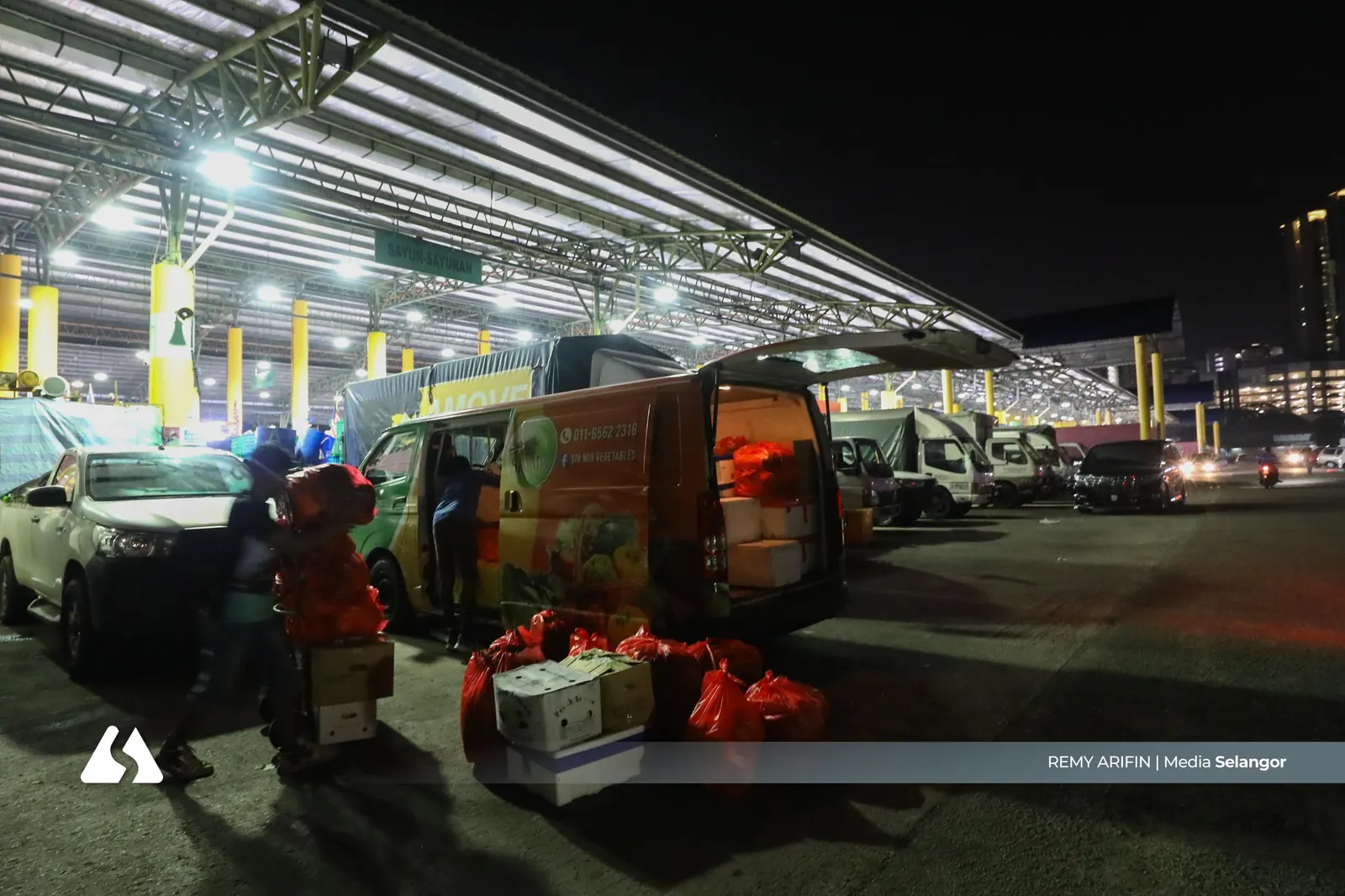


SHAH ALAM, May 1 — While most of Malaysia sleeps, a bustling network is already in motion.
Unloading produce, preparing food, and making deliveries, these workers form a largely unseen economy that powers the nation’s early-morning rhythm.
They may not wear corporate suits or work nine to five in air-conditioned offices, but the contributions of this small group — often unnoticed and under-appreciated — are vital in keeping the economy moving.
From wholesale market traders to truck drivers, the individuals behind the “3am economy” work either out of a sense of service to the community or simply to make ends meet.
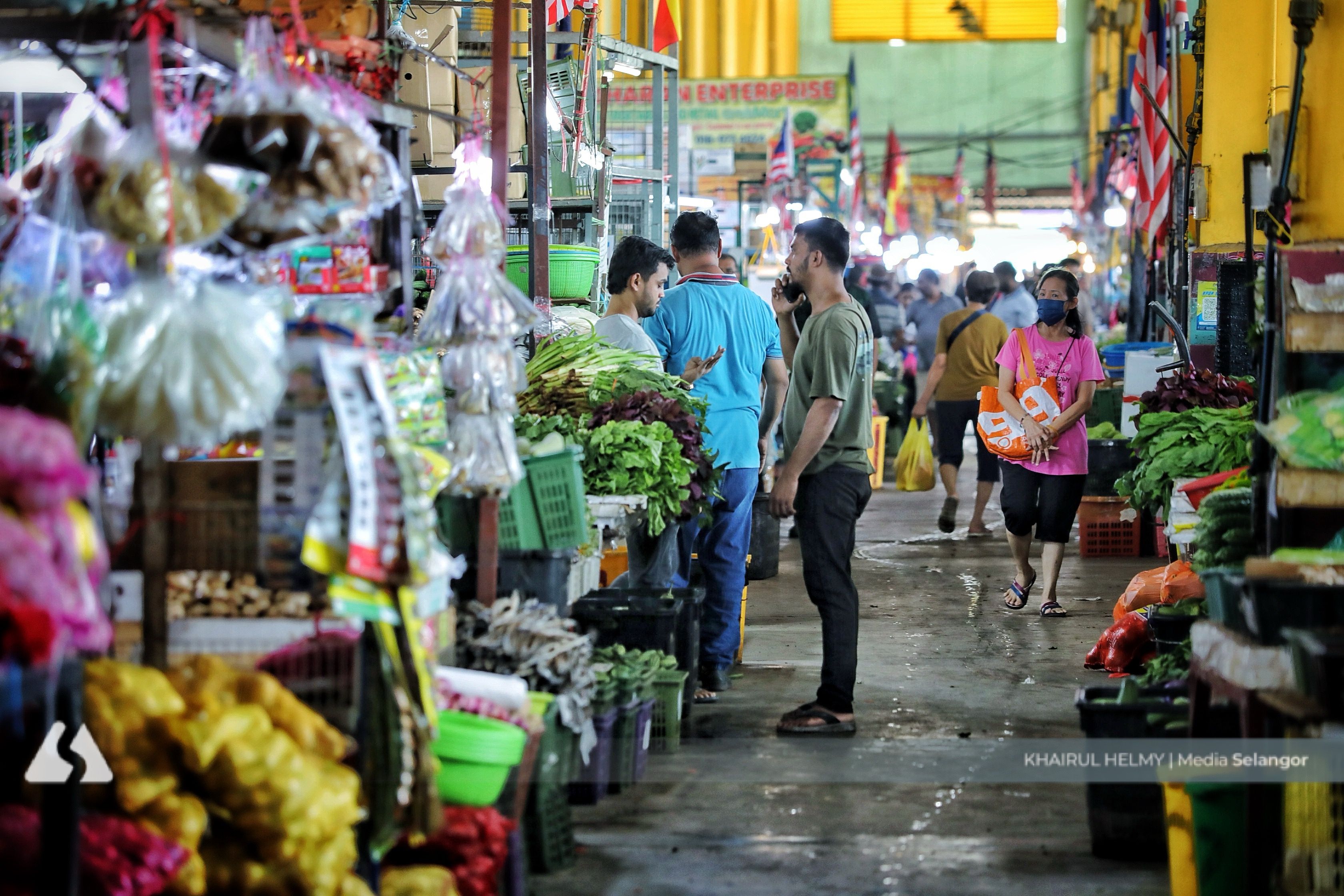
For 52-year-old vegetable trader Mohd Khairi Abu Samah, the early start to his day is not a matter of choice, but a necessity to put food on the table.
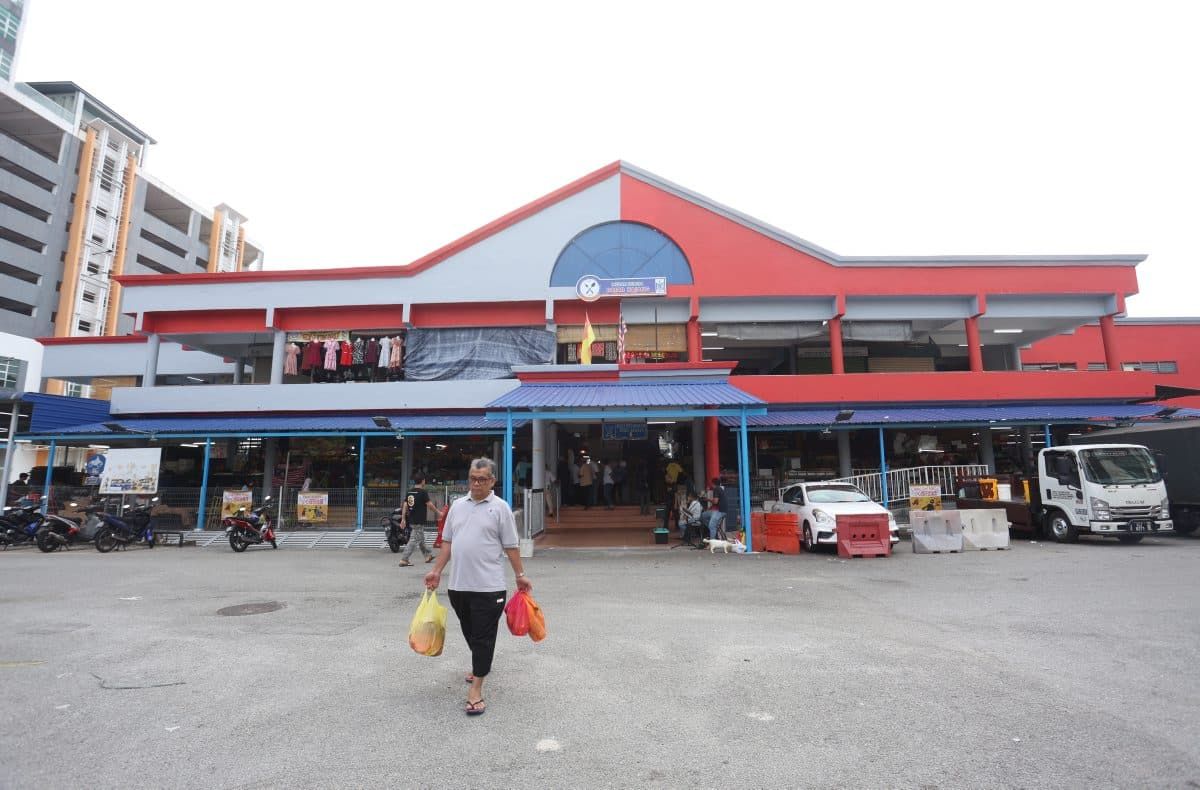
“I start as early as 2am. It is not about motivation; it is about responsibility,” he told Media Selangor, describing a routine shaped by discipline as he prepared his produce ahead of opening hours at the Seri Kembangan fresh market.
But despite the pressures of his job, Khairi said the early hours bring some relief, with quieter surroundings allowing work to flow more smoothly before the crowd builds.

“The biggest challenges come from unstable vegetable prices that frequently rise and fall, alongside customers who expect produce that is cheap, fresh, and of good quality, a balance that is increasingly difficult to maintain.
“At times, profits are so tight that even paying workers becomes a challenge,” he said with a hint of fatigue in his voice.
Khairi, who has been in the wholesale market industry for just over a year, also pointed to a changing landscape, with fewer locals willing to take on such early and demanding work, leaving foreign workers to fill the gap.
Raw ingredients trader Zulkifli Ab Ghani, 45, who has 20 years of experience in the wholesale market, said his work begins early behind the scenes as he prepares and processes raw goods, including by cutting meat, bones, and organs into smaller portions for sale, ensuring everything is ready before the market crowd builds to its peak.
“Supply is usually prepared early, so we are ready before business starts,” he said.
Like others in the market, Zulkifli faces fluctuating supply prices and small margins.
“Business tends to pick up during peak periods, particularly when food operators such as tomyam sellers are most active, increasing demand for raw ingredients,” he said, adding that customer service remains a key part of sustaining the business.

Economic ‘drivers’
If Khairi represents the front line of trading, some others form the backbone that keeps goods moving through the night.
Lorry driver Shahrul Ramlee, 41, begins his shift around 10pm and works until about 6am, navigating long hours on the road to keep deliveries on schedule.
His work starts well before the engine is turned, involving checking orders, packing and arranging goods, and carefully loading them onto the lorry before setting off.
"The job is a constant race against time, and timing is critical, because if you arrive too early, there is no one (to receive the goods; arrive late and customers start calling.

"Fatigue is among the biggest risks, especially with overnight driving, compounded by uneven road conditions, traffic congestion, and the possibility of accidents," Shahrul said.
Fuel-related challenges can also disrupt operations, particularly for long-distance or heavy vehicles, adding further uncertainty to an already demanding job. Yet, his priority remains the same: to ensure goods arrive smoothly and on time.
Another worker who shares the burden is 47-year-old van driver Knavaraj Kuppsami, who has spent the past decade navigating the same routes and delivering goods to multiple locations each day.
Operating within a small fleet of four vans, his work is structured yet unpredictable, often stretching to 10 hours and sometimes even 12, depending on the workload.

“In my line of work, there is no fixed end time. We work until all deliveries are done.
“Each day follows a familiar routine of collecting goods, following delivery schedules, and making multiple stops across different locations before finally returning," he said when met as he loaded up his van with supplies for the next delivery.
Despite working unseen before dawn, these workers form the quiet backbone of the economy, ensuring daily life runs smoothly through their discipline, sacrifice, and resilience.