SHAH ALAM, April 30 — The proposed Sungai Lang Fisheries Zone (ZIPS) is set to transform Sabak Bernam into a high-value blue economy hub while strengthening Selangor’s fisheries base, with experts emphasising its potential to spur industrialisation, job creation, and downstream growth.
Prof Dr Yeong Yik Sung, director of Universiti Malaysia Terengganu’s Institute of Climate and Marine Biotechnology (ICAMB), described the model as a “very good” concept that could catalyse economic transformation in the largely rural district.
“The zone acts as an important ‘blue economy’ sector because it processes fisheries products from neighbouring districts like Bagan Datuk (in Perak) and Kuala Selangor, which ensures there is synergy within the region.
“ZIPS will help create a compounding effect by bringing other sectors into operation, including tourism and manufacturing.
“This, however, must be accompanied with the consideration of what suitable aquaculture species such as value, market demands, local expert availability and technology, that would be developed and produced in the country,” he told Media Selangor recently.

Yeong, who is also World Aquaculture Society-Asia Pacific Chapter director and ASEAN Fisheries Education Network secretary, stressed the need to carefully identify suitable aquaculture species for ZIPS based on market demand, value and available expertise.
Echoing a similar opinion, Universiti Sains Malaysia lecturer Prof Dr Illisriyani Ismail, who specialises in fisheries and agriculture economics, said ZIPS could significantly enhance Selangor’s fisheries sector given the state’s existing strong production base.
“Selangor is consistently among the top three states in Malaysia in terms of fish landings, and it is also a major producer of aquaculture products, particularly for white shrimp, tiger prawn, and seabass.
“This means the state already has a strong production base to support a large-scale fisheries industrial zone,” she told Media Selangor recently.
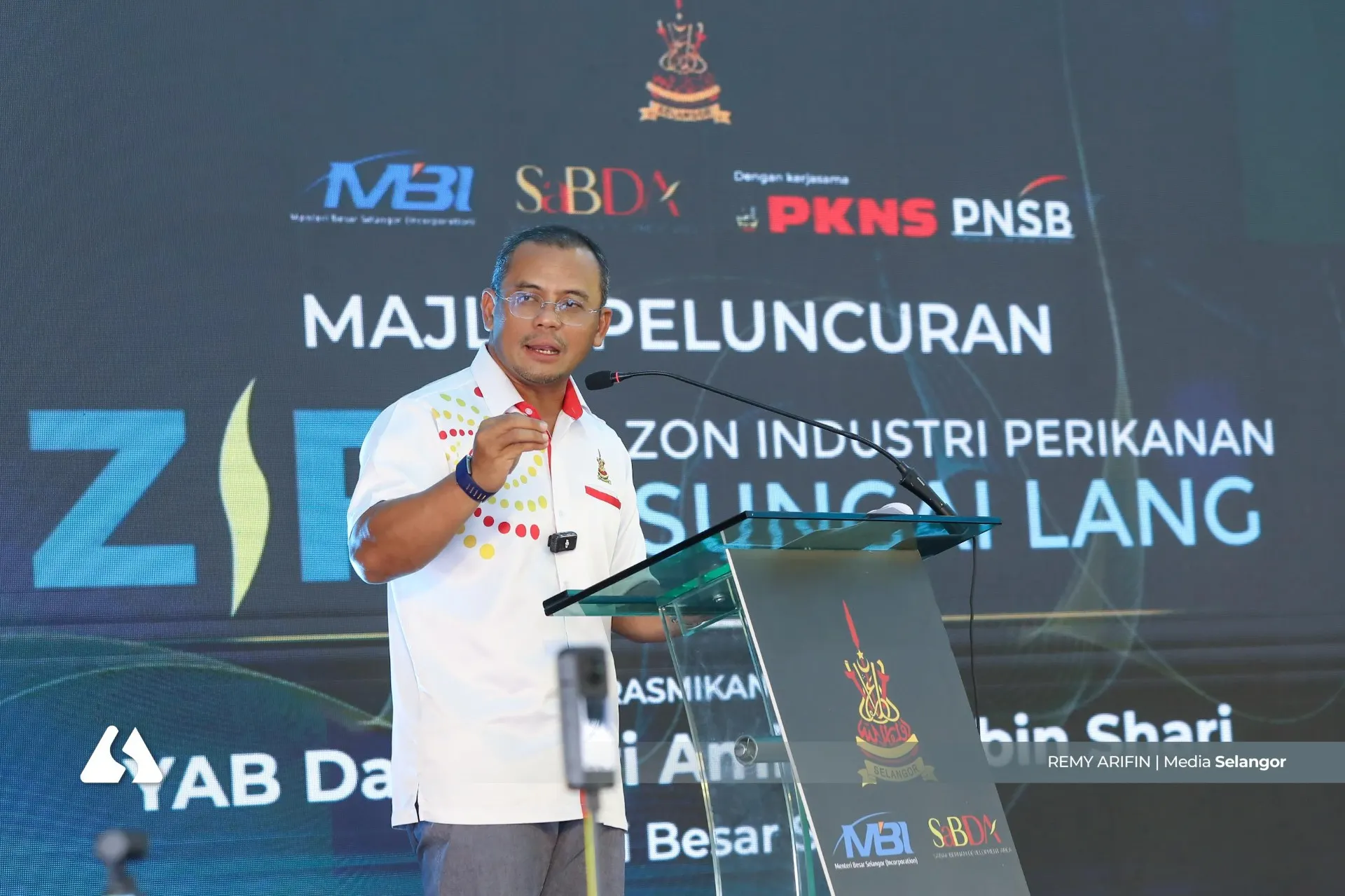
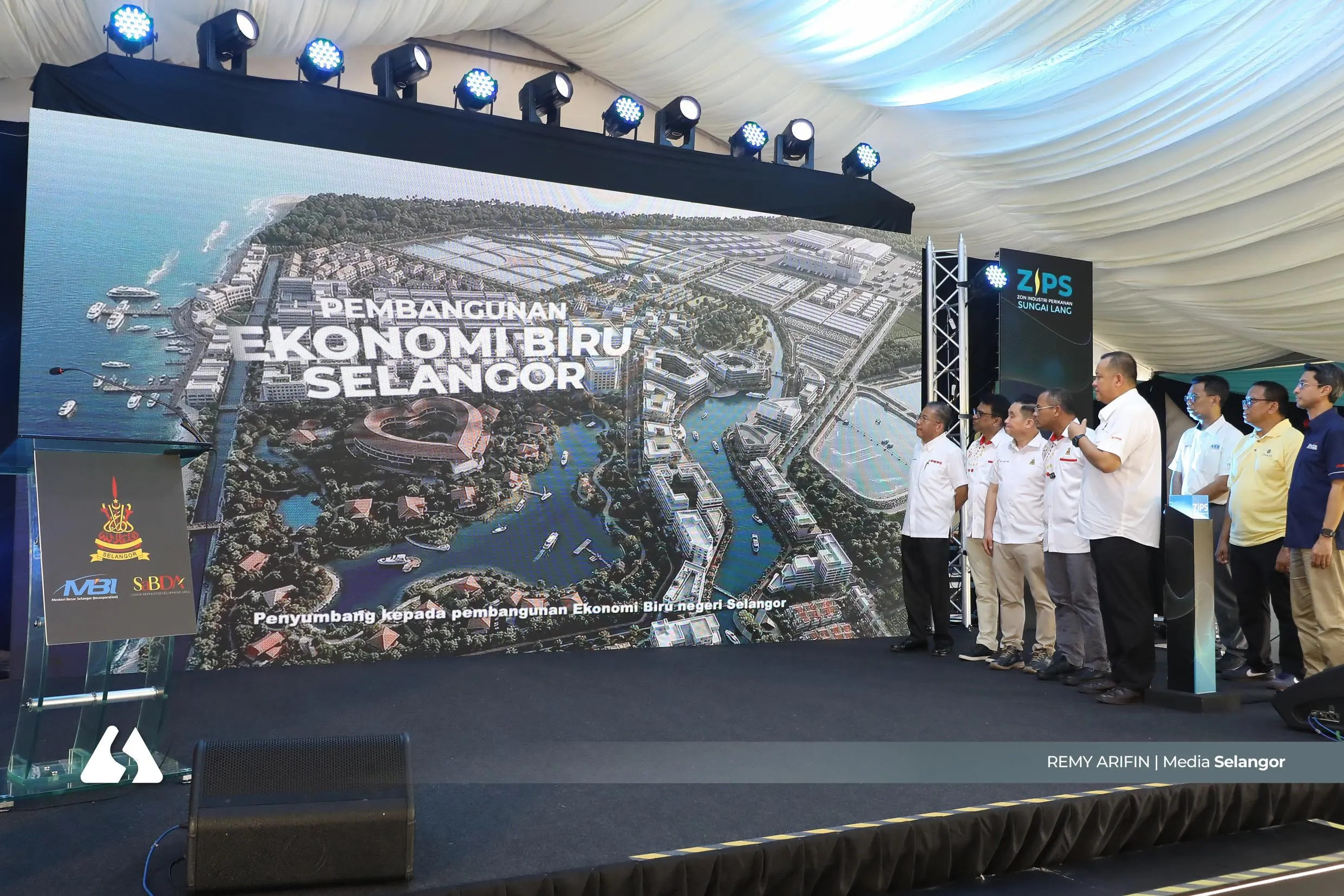
On April 25, the Selangor government launched a 242ha ZIPS site in Sabak Bernam, which Menteri Besar Dato’ Seri Amirudin Shari said would be equipped with a processing and logistics hub, frozen supply chain facilities, and a research and innovation centre, aimed at strengthening the state’s fisheries supply chain value from production to marketing.
ZIPS is a strategic initiative under the Sabak Bernam Development Area (SABDA) and will be implemented by Menteri Besar Selangor (Incorporation), or MBI, with cooperation from Permodalan Negeri Selangor Bhd (PNSB) and the Selangor State Development Corporation (PKNS).
Economic and implementation challenges
Both Yeong and Illisriyani cautioned that several economic and implementation challenges must be addressed to ensure ZIPS’ success, especially amid global uncertainties.
Yeong highlighted the high capital requirement for infrastructure that could heavily burden public-private partnerships, and rising costs driven by international logistics disruptions and fluctuating oil prices.
“Internally, there is an implementation gap that requires the speed of infrastructure construction to correspond exactly to the involvement of investors and the training of local workforce,” he said.
He also warned of potential reliance on foreign expertise due to limited local experience in large scale aquaculture projects.
Meanwhile, Illisriyani said the sectors’ dependence on imported input such as feed, fuel and machinery makes it vulnerable to exchange rate fluctuations and rising costs.
“These costs are highly vulnerable to exchange rate fluctuations, which can directly affect production costs and profit margins.”

In Peninsular Malaysia, the current cost-profit ratio is between 40:60 and 50:50, compared with the pre-pandemic ratio of 30:70.
“Global uncertainties such as supply chain disruptions, rising fuel prices, trade restrictions, and tensions in key shipping routes can increase logistics costs and reduce export competitiveness.
“Since Malaysia’s fisheries industry is increasingly connected to international markets, stricter import regulations from markets such as China, EU and the US — particularly for sustainability, traceability, and food safety standards, may also create barriers to market access if local players are not prepared,” she said.
She stressed the need for strong inter-agency coordination and to address skilled labour shortages in areas such as automation, aquaculture technology, and seafood processing.
“There may be resistance from traditional fishers and small-scale operators if they feel excluded from the development process or are unable to adapt to new technologies,” Illisriyani said.