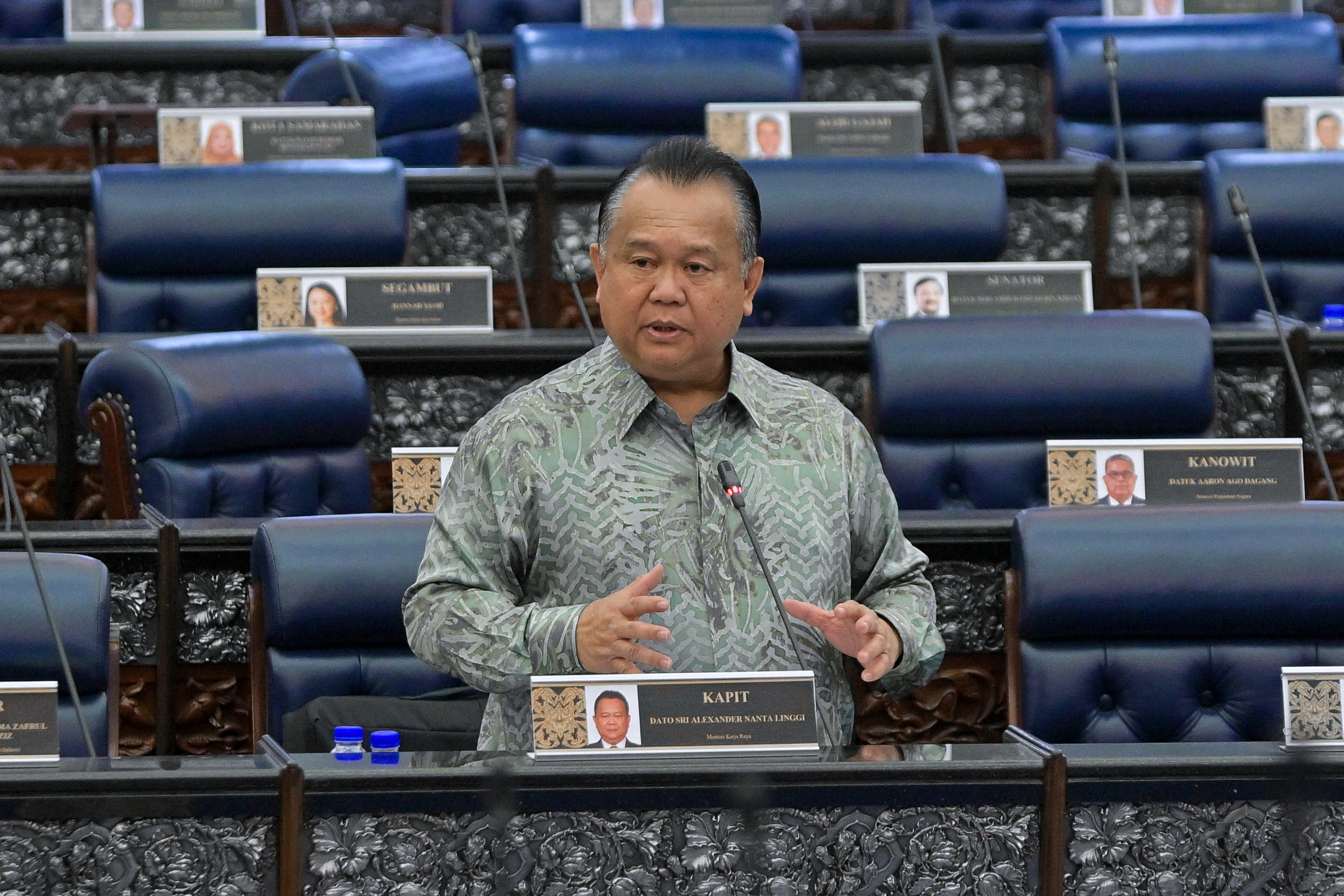
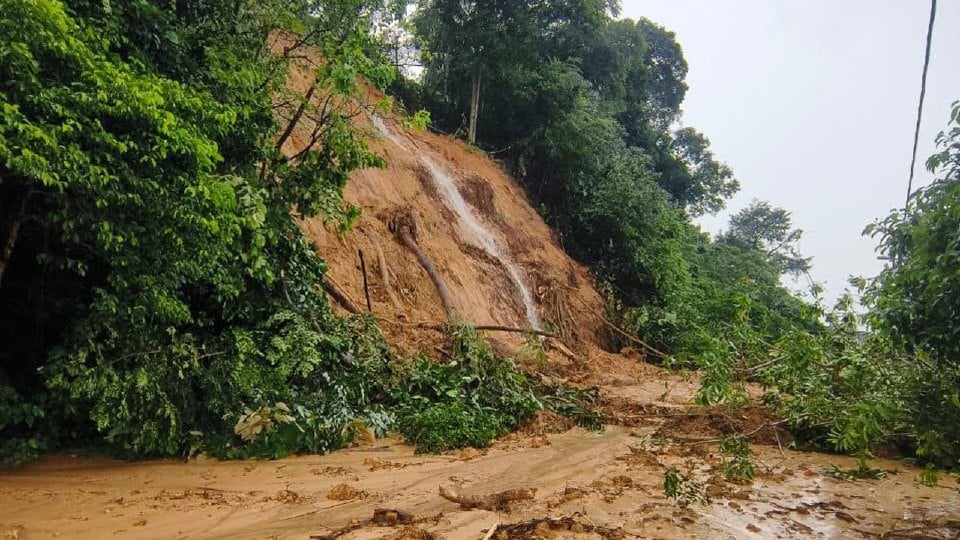

KUALA LUMPUR, April 29 — The nation must shift its slope management policy from a reactive to a preventive approach to safeguard national infrastructure and ensure the continuity of transport networks, said Works Minister Datuk Seri Alexander Nanta Linggi.
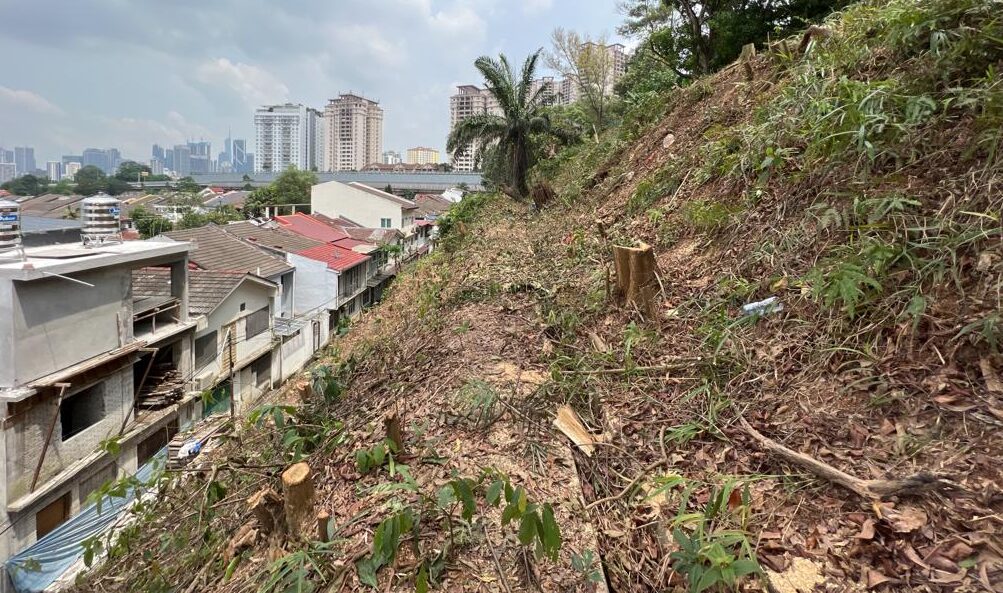
Slopes should no longer be viewed merely as technical issues, but as critical assets that directly affect public safety, transport system stability and the country’s operational resilience.
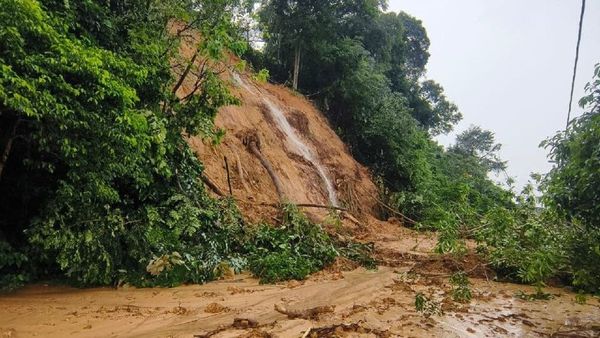
"The reality is that slope failures have consequences far beyond physical damage. They can disrupt vital links between urban and rural areas, interrupt logistics chains, increase operating costs, and most importantly, undermine public confidence in the quality and reliability of our national infrastructure," he said.
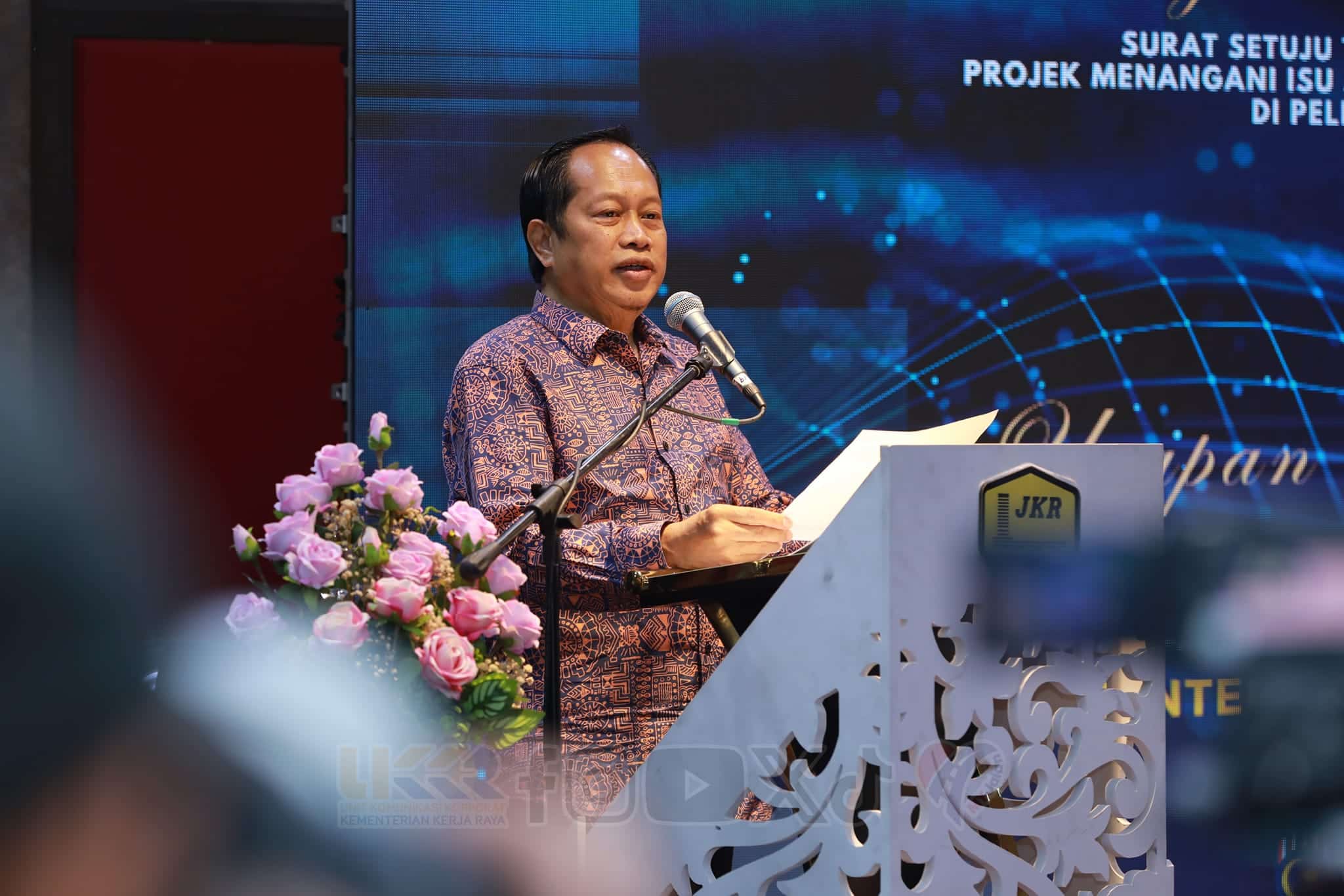
Speaking at the opening of the International Conference on Slope 2026 (ICOS 2026) today, Nanta said policy priorities should focus on preventive investment and early, data-driven interventions to maximise safety outcomes, with slope management viewed through three key lenses: service resilience, cost efficiency, as well as governance and finance.
Infrastructure, particularly the road network, must remain functional during extreme weather to reduce the risk of disruption and enable swift recovery, while a preventive approach is more cost-effective than repairing damage after slope failures.
He added that slope-related issues required coordinated management involving multiple parties and clear governance frameworks.
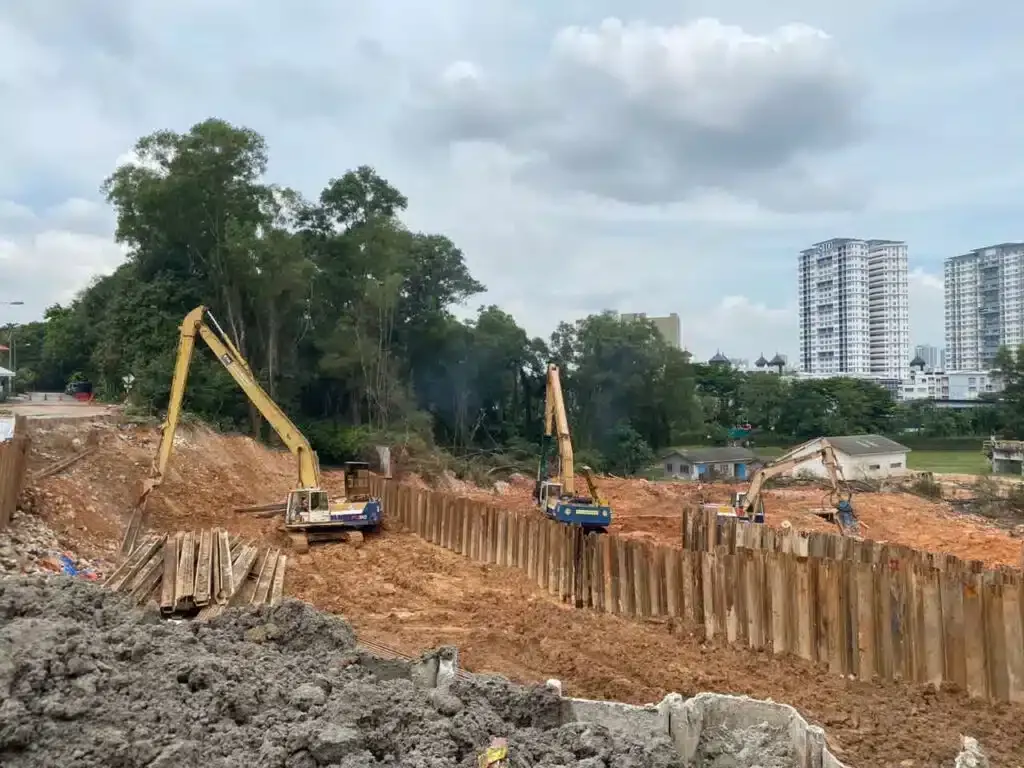
Meanwhile, the minister said that ICOS 2026 served as a platform to develop an action plan on slope management, strengthen early warning systems and introduce practical, innovative solutions to address operational challenges.
"Slope safety is not merely a technical task, but a long-term commitment we owe to the people," Nanta said.
He also expressed appreciation to international experts attending the conference, saying global expertise and shared insights were vital in addressing slope management challenges amid climate uncertainty.