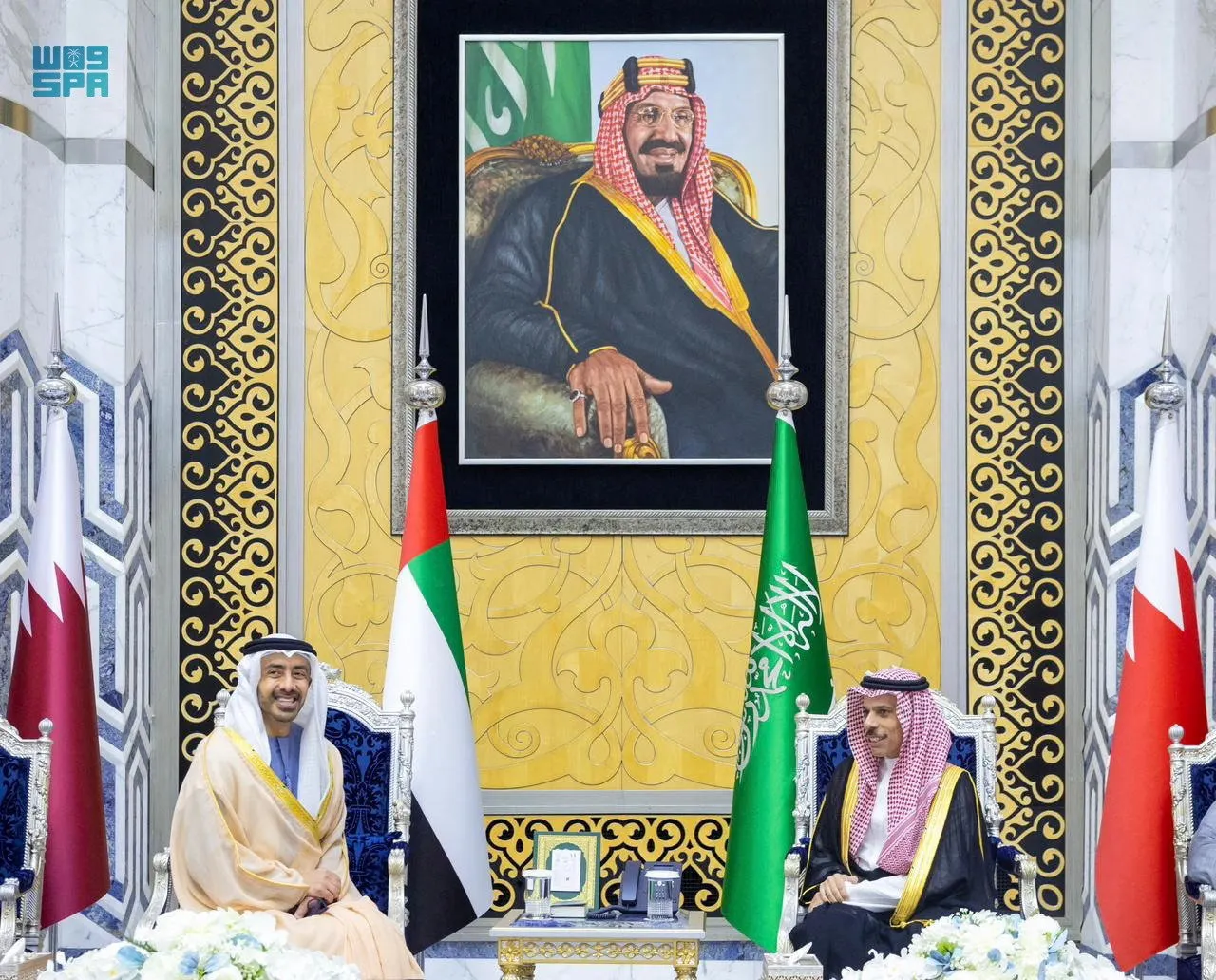
MOSCOW, April 29 — Russia plans to stay in the Organisation of the Petroleum Exporting Countries Plus (OPEC+) despite a decision by the United Arab Emirates (UAE) to leave, the Kremlin said on Wednesday, expressing hope that the alliance of oil producers would continue to operate amid turmoil in the global energy market.
The UAE said on Tuesday it would quit OPEC, dealing a blow to the group as an energy crisis triggered by the Iran war has exposed rifts among Gulf nations.
It was the fourth-largest producer in the OPEC+ grouping of OPEC members and its allies, while Russia is second, behind Saudi Arabia.
OPEC+ helps 'minimise fluctuations', says Peskov
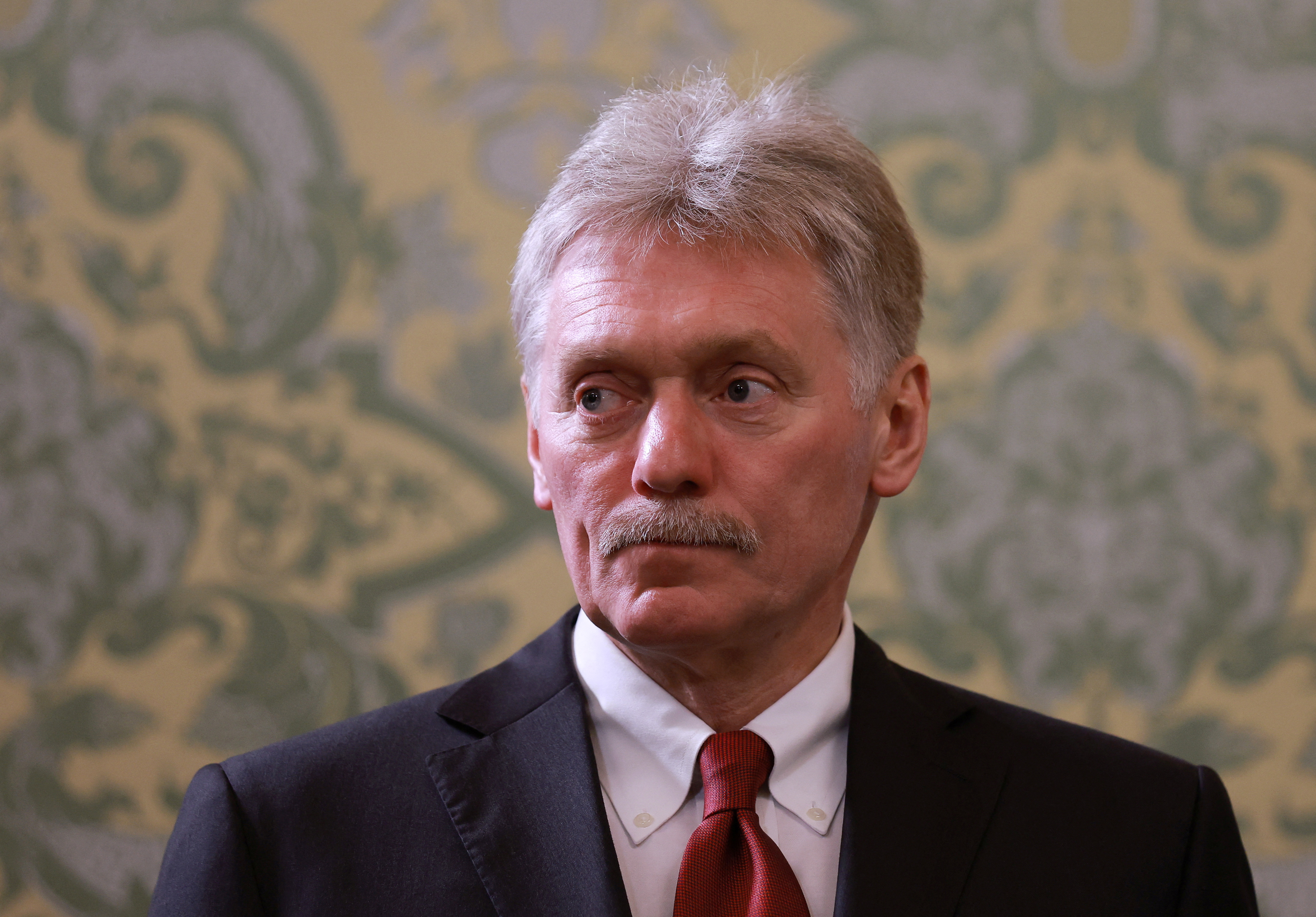
Kremlin spokesman Dmitry Peskov said OPEC+ remains an important organisation, especially during the current turmoil on global markets.
"This format helps to substantially, let us say, minimise fluctuations in energy markets and makes it possible to stabilise those markets," he told a daily briefing.
Peskov added that Russia respected the UAE's decision to leave, however, and hoped Moscow's energy dialogue with the Gulf state would continue.
Russia joined OPEC+ in 2016. The International Energy Agency estimates that the group produced nearly half the world's oil and oil liquids last year.
Peskov later said that the UAE had not warned Moscow in advance about its plan to withdraw from OPEC+.
"No, they did not warn us; this is a sovereign decision of the United Arab Emirates. We respect this decision," he said, as reported by the state RIA news agency.
Weaker OPEC coordination feared
On Wednesday, Russian Finance Minister Anton Siluanov said that the UAE's decision could prompt countries to boost production, bringing down global prices in the future.
"If OPEC countries conduct their policies in an uncoordinated manner (after the UAE's exit) and produce as much oil as their production capacities allow and as much as they want, prices will go down accordingly," he said.
Siluanov noted that for now, oil prices were supported by the blockade of the Strait of Hormuz, and any oversupply would only become a risk after the Strait reopens.