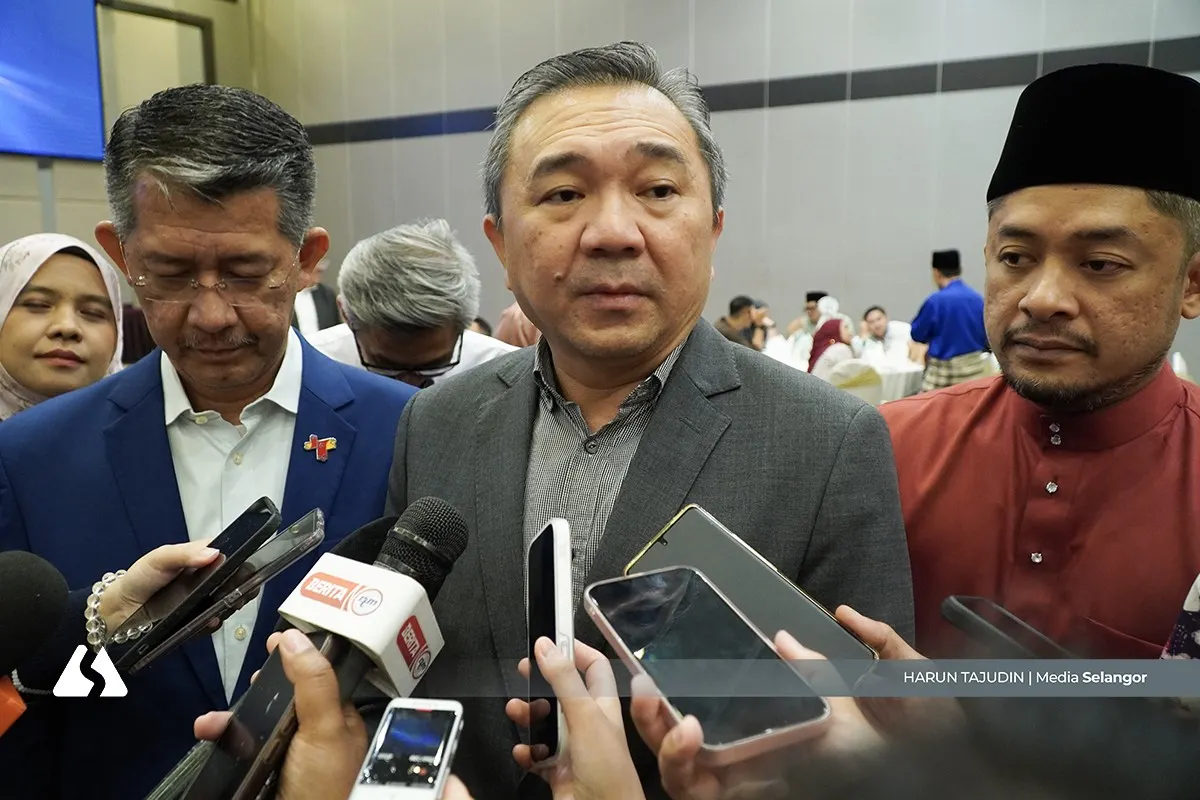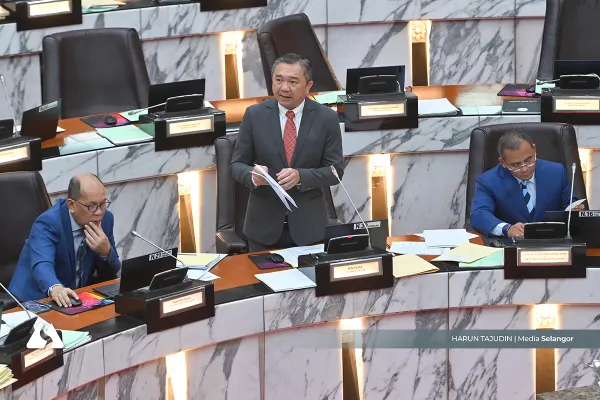
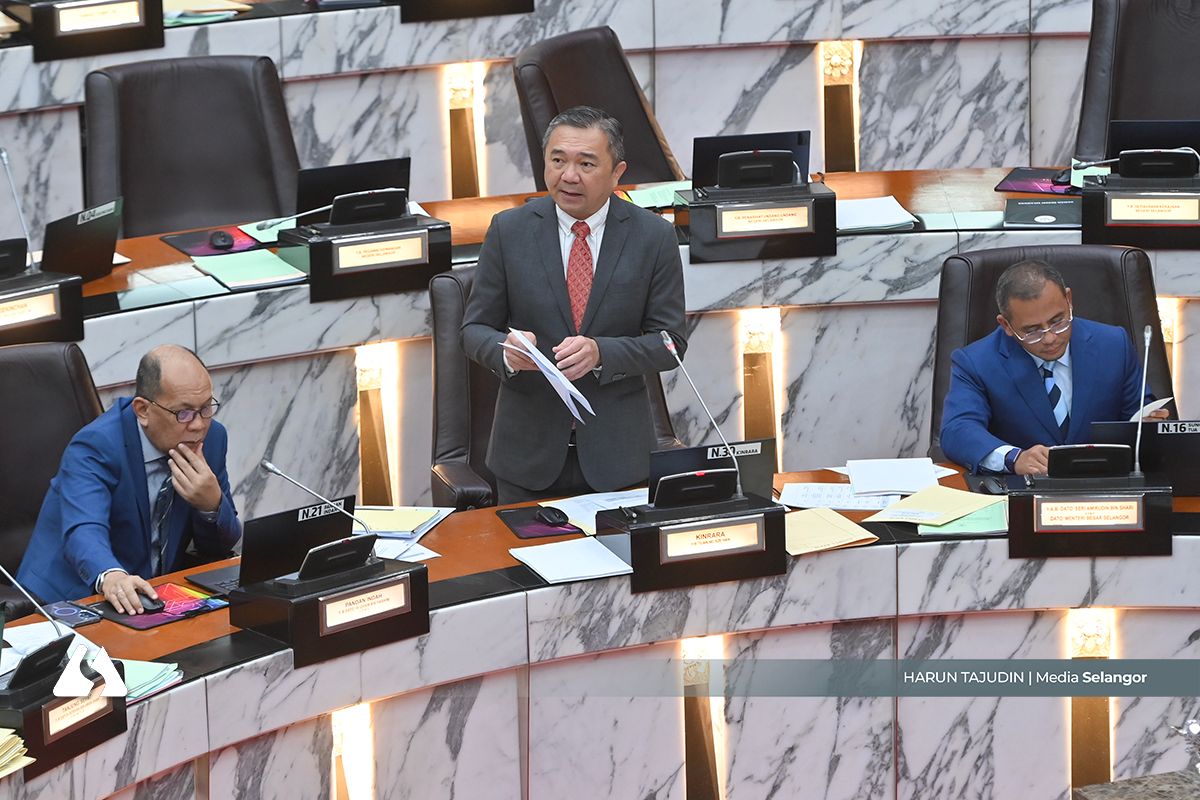
SHAH ALAM, April 27 — Data centre developments in Selangor will be subject to stringent technical assessments to ensure they do not disrupt water and electricity supply to households, hospitals, schools and public facilities, said state executive councillor for investment, trade and mobility Ng Sze Han.
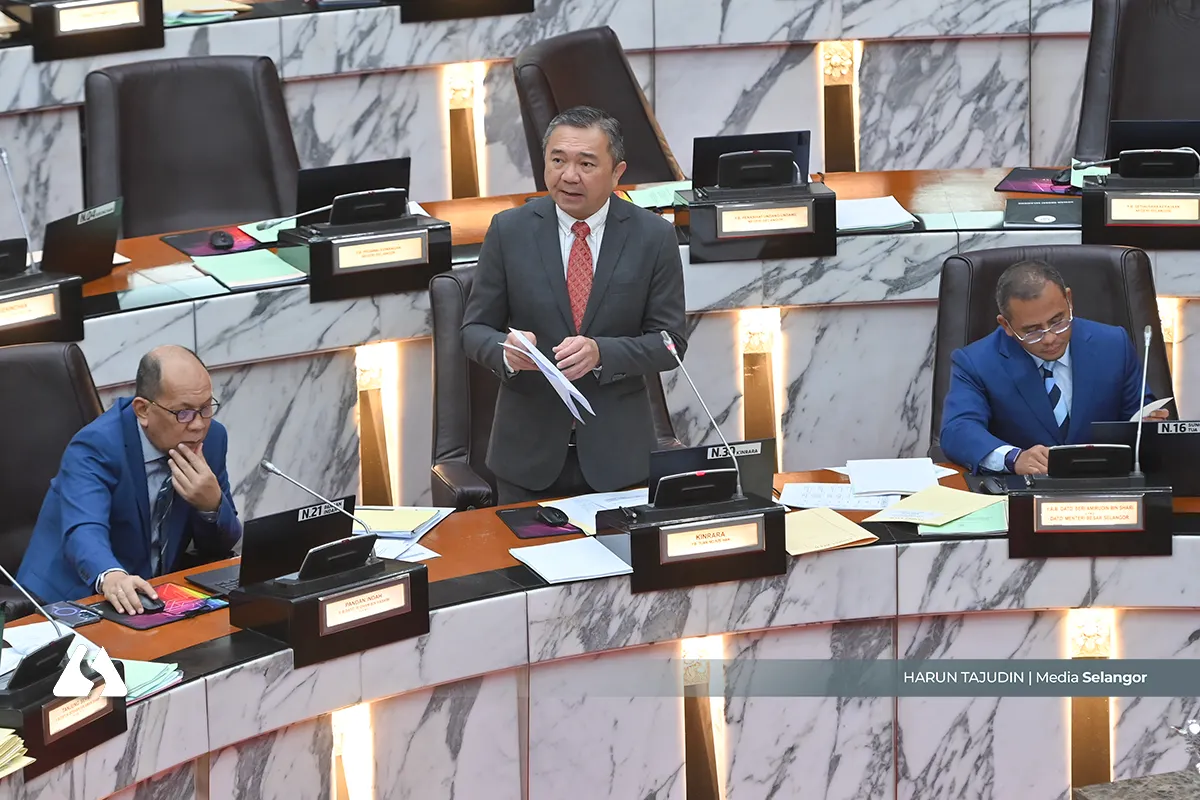
“Every proposal for data centre development can only be considered after thorough assessment with the relevant technical agencies such as LUAS (Selangor Management Water Authority), TNB, local authorities, and the town planning department (PLANSelangor),” he said during his wind-up speech at the Selangor State Legislative Assembly sitting here today.
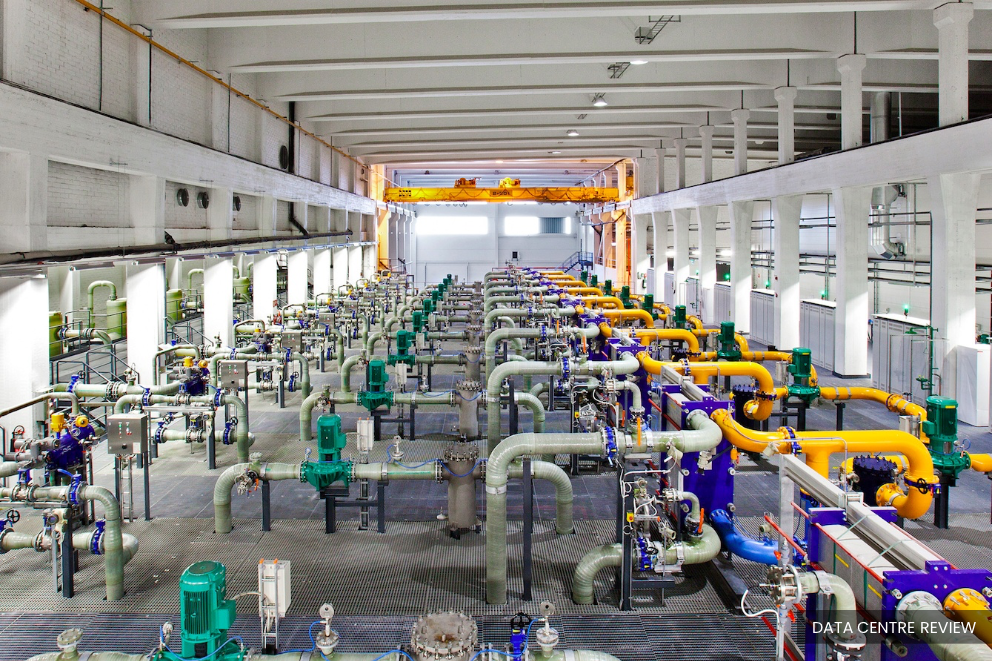
Ng emphasised that approval would not be granted if there is uncertainty over utilities capacities that could affect domestic users and public services, adding that water governance is being tightly regulated under LUAS, where projects consuming more than two million litres of water per day are required to submit water availability studies.
He said these studies assess supply sufficiency and potential impact on existing users, while approval remains subject to the state government.
To strengthen oversight, he said operators are required to install abstraction meters and monitoring systems to track actual water usage.
“Implementation of water usage monitoring systems, including installation of abstraction meters, is mandatory to ensure actual consumption can be recorded and controlled,” he said.
Additionally, he said abstraction charges and excess water usage fees are being enforced to promote responsible consumption.
Alternative water sources encouraged
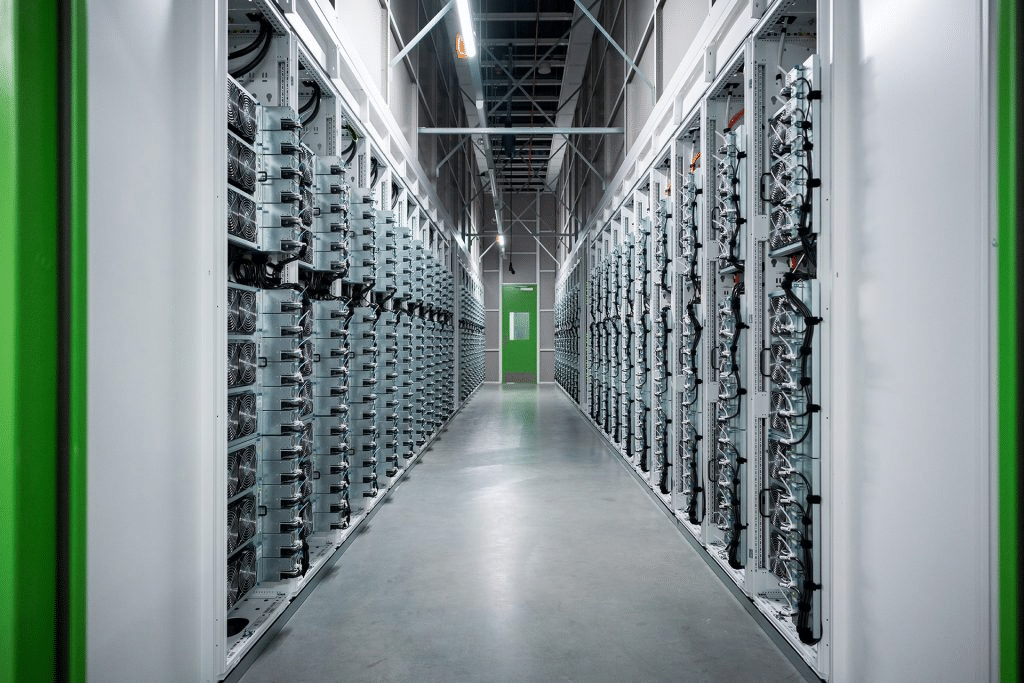
Ng said data centre operators are encouraged to reduce reliance on treated water by adopting alternative sources such as recycled industrial water and implementing efficient cooling systems.
Earlier today, during the question-and-answer session, state executive councillor for infrastructure and agriculture Dato’ Izham Hashim said Selangor will revamp its water management by strengthening long-term supply to improve environmental safeguards, including measures governing water consumption by data centres.
Izham said rising demand poses a growing challenge for water planning in the state, as such facilities require large volumes of treated water, often in the tens of millions of litres per day, and that these concerns are applicable to high electricity consumption.
However, Ng emphasised that domestic supply remains the state’s top priority despite voicing support for digital economic growth through data centre expansions.
“The state government holds firmly to the principle that domestic supply must always be prioritised. The interests of Selangor residents to access water and electricity will be protected.”
Ng added that Selangor’s approach is to balance economic growth with sustainability and utilities security.