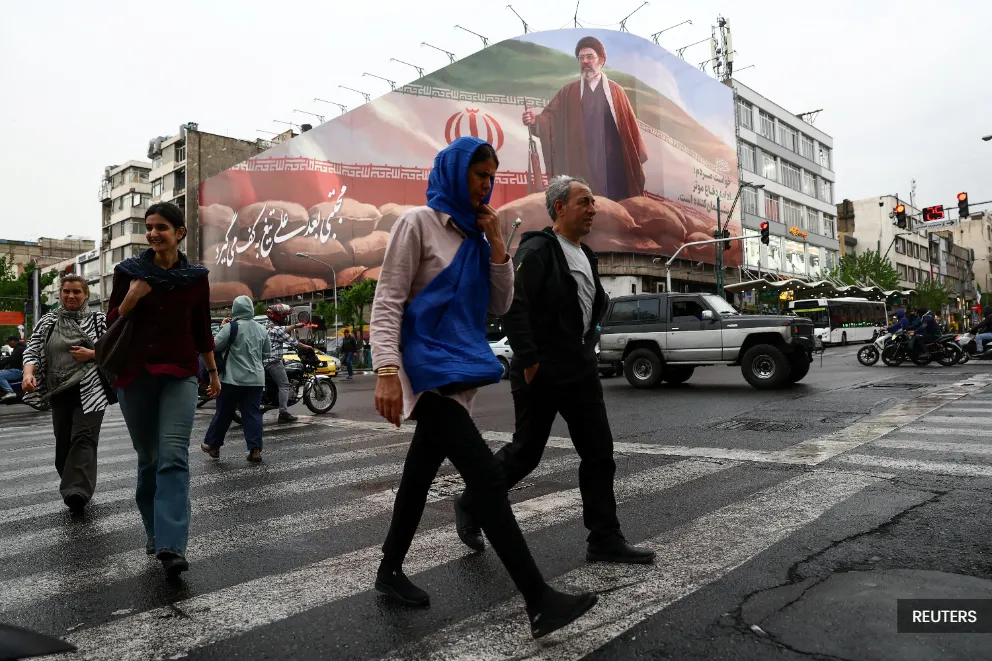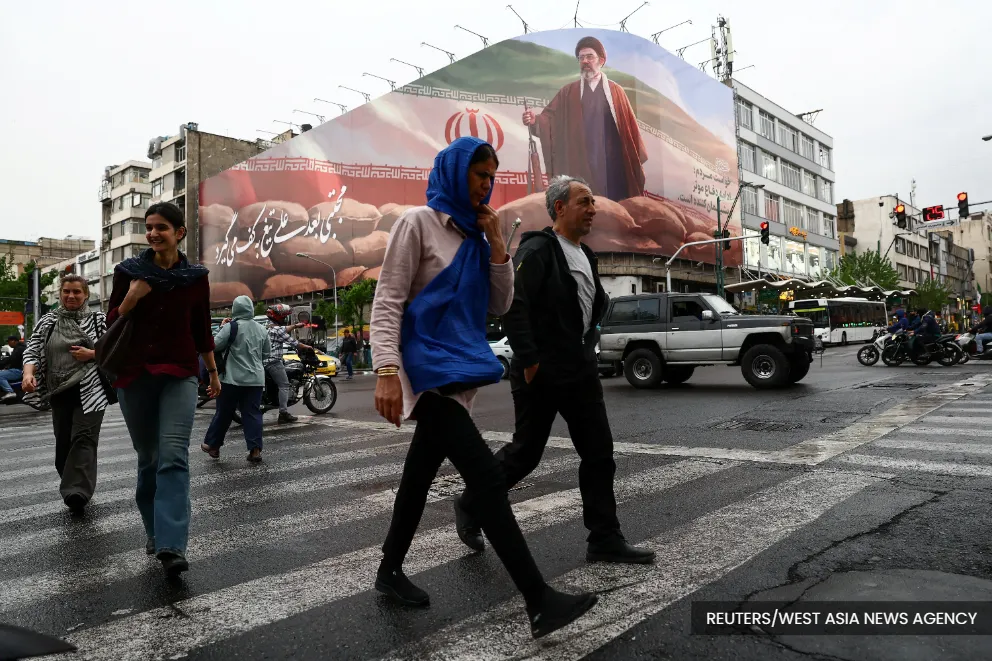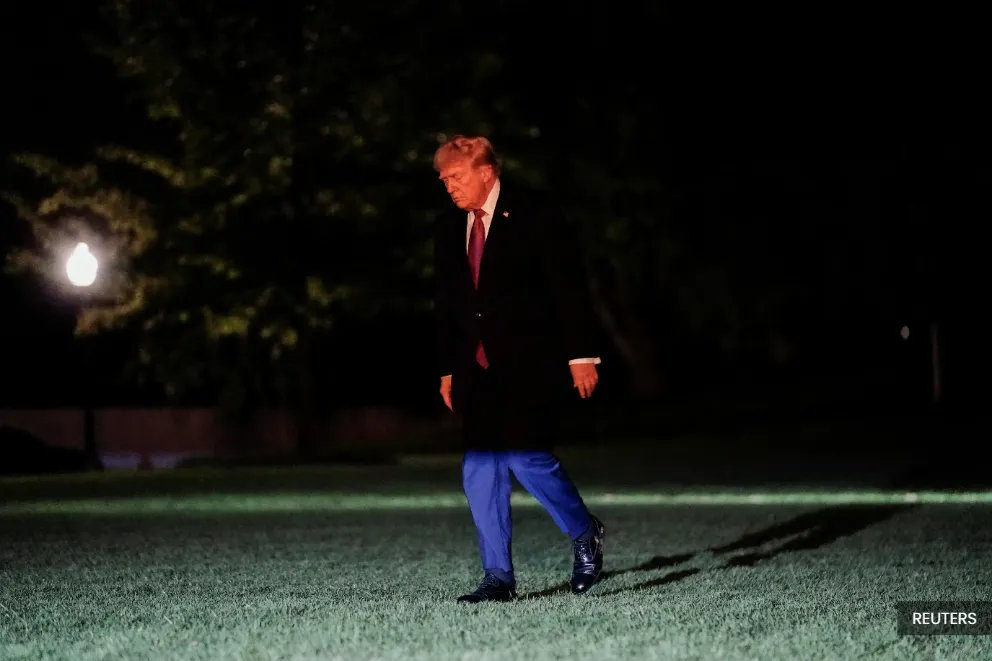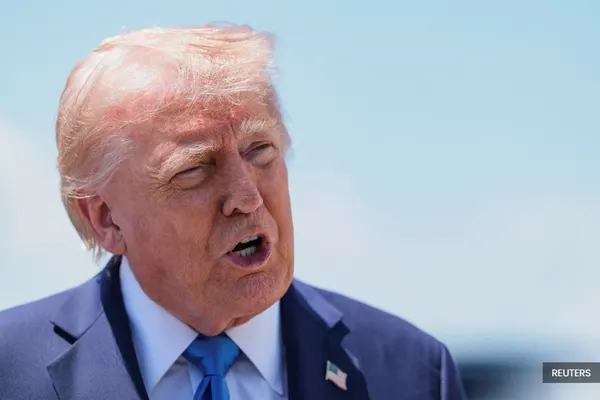
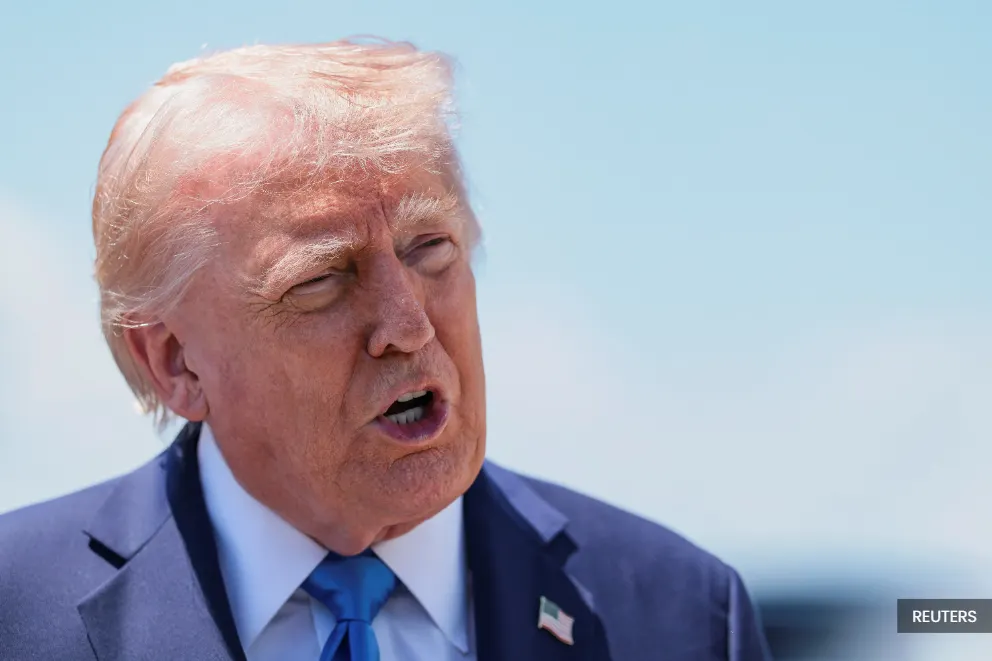
WASHINGTON/ISLAMABAD, Apr 27 — President Donald Trump said yesterday that Iran could make contact if it wanted to negotiate an end to their two-month war, stressing that Tehran must never be allowed to possess a nuclear weapon, after Iran said the United States should remove obstacles to a deal, including its blockade of Iranian ports.
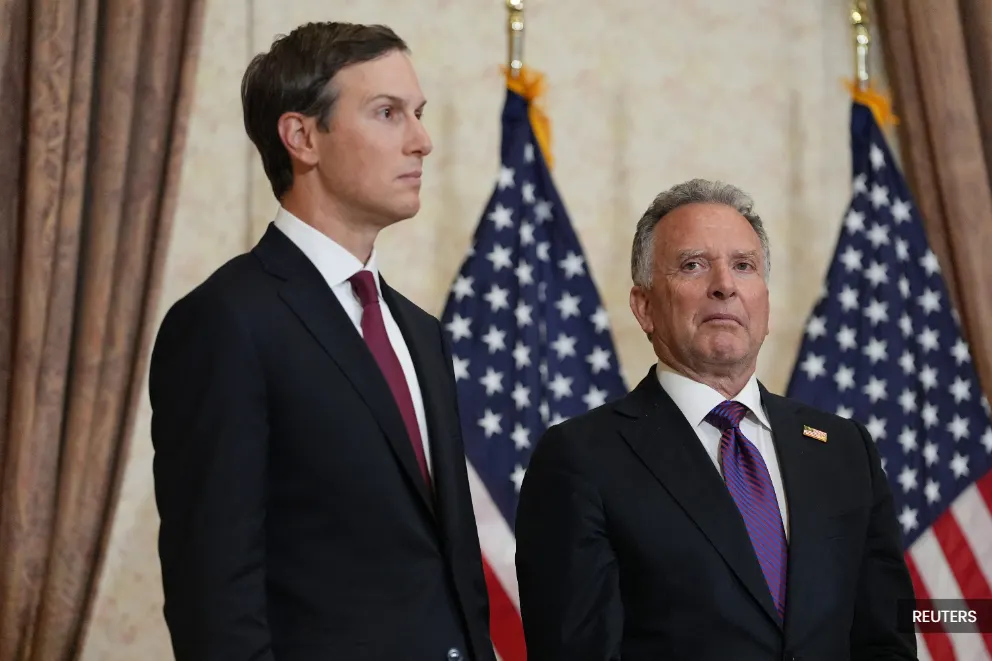
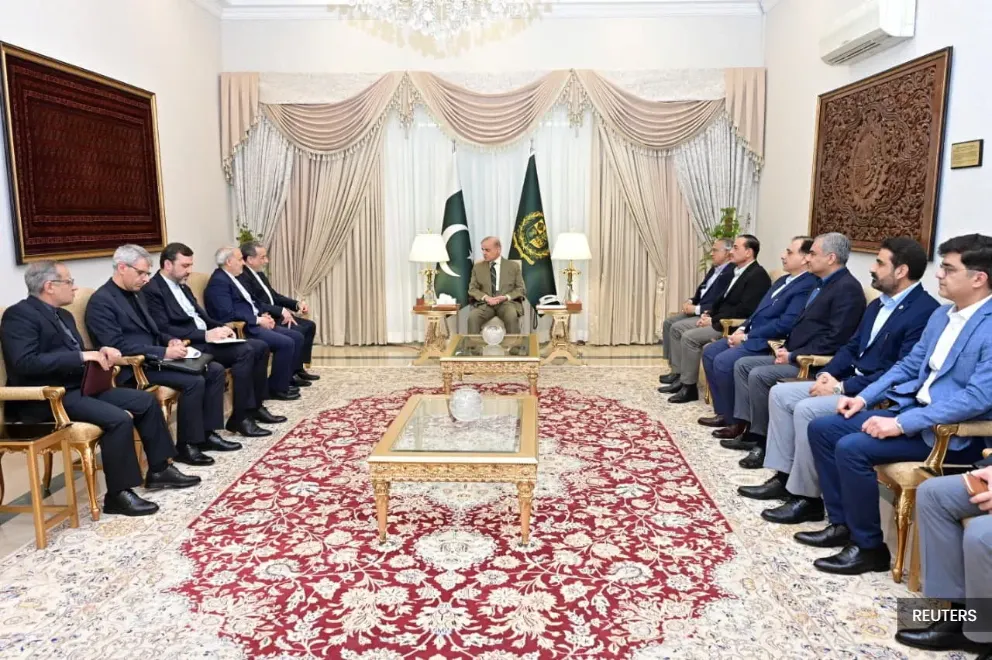
Hopes of reviving peace efforts faded on Saturday when Trump cancelled a planned visit to Islamabad by his envoys, Steve Witkoff and Jared Kushner. Iranian Foreign Minister Abbas Araqchi travelled between mediators Pakistan and Oman yesterday before heading to Russia, where he is scheduled to meet President Vladimir Putin.
Oil prices rose, the dollar edged higher and US stock futures slipped in early Asia trade on Monday after US-Iran peace talks stalled over the weekend, leaving Gulf shipping disrupted.
“If they want to talk, they can come to us, or they can call us. You know, there is a telephone. We have secure lines,” Trump told ‘The Sunday Briefing’ on Fox News.
“They know what has to be in the agreement. It’s very simple: they cannot have a nuclear weapon, otherwise there’s no reason to meet,” he added.
Iran has long demanded that Washington acknowledge its right to enrich uranium, which Tehran says is for peaceful purposes, but which Western powers believe is aimed at developing nuclear weapons.
Although a ceasefire has paused full-scale fighting in the conflict, which began with US-Israeli strikes on Iran on February 28, no agreement has been reached on terms to end a war that has killed thousands, driven up oil prices, fuelled inflation and darkened the global economic outlook.
Trump faces domestic pressure to end war
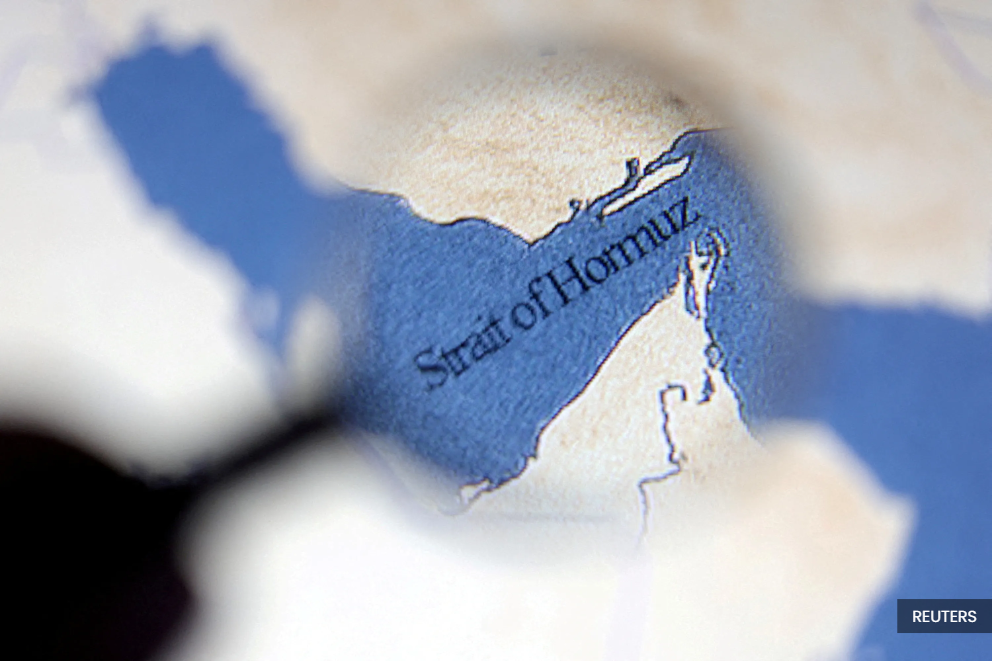
With his approval ratings falling, Trump is facing growing domestic pressure to end the unpopular war. Iran’s leadership, though weakened militarily, has gained leverage in negotiations through its ability to disrupt shipping in the strategically vital Strait of Hormuz, which normally carries about a fifth of global oil shipments.
Tehran has largely restricted access to the strait, while Washington has imposed a blockade of Iranian ports.
Araqchi returned to Islamabad after talks in Oman on Sunday, another mediator in the conflict, before heading to Russia.
Iran’s envoy to Russia, Kazem Jalali, said in a post on X that Araqchi would meet Putin “in continuation of the diplomatic jihad to advance the country’s interests and amid external threats”.
“Iran and Russia stand united against the campaign of totalitarian forces targeting independent and justice-seeking nations, as well as those seeking a world free from unilateralism and Western domination,” Jalali said.
Iranian state media reported that Araqchi discussed security in the strait with Oman’s leader, Haitham bin Tariq Al Said, and called for a regional security framework free from external interference.
Araqchi said on X that discussions in Oman “included ways to ensure safe transit for the benefit of all neighbours and the world”.
Iran’s semi-official Tasnim news agency reported that talks with Pakistani officials covered proposals including a new legal regime governing the Strait of Hormuz, compensation, guarantees against renewed military aggression and the lifting of the naval blockade.
Trump, speaking in Florida on Saturday, said he cancelled his envoys’ visit due to excessive travel costs for what he viewed as an inadequate Iranian offer. Iran “offered a lot, but not enough”, he said.
Iranian President Masoud Pezeshkian told Pakistani Prime Minister Shehbaz Sharif by phone on Saturday that Tehran would not enter “imposed negotiations” under threats or blockade, according to an Iranian statement.
He said the United States must first remove obstacles, including its maritime blockade, before negotiations could proceed.
US and Iran have extensive disagreements
Disagreements between the United States and Iran extend beyond Tehran’s nuclear programme and control of the strait.
Trump is seeking to limit Iran’s support for regional proxies, including Hezbollah in Lebanon and Hamas in Gaza, as well as its ballistic missile capabilities. Iran, meanwhile, is pushing for sanctions relief and an end to Israeli attacks on Hezbollah.
Earlier talks in Islamabad this month saw US Vice President JD Vance lead the US delegation against Iran’s parliamentary speaker Mohammad Baqer Qalibaf, but they ended without agreement.
Following the cancellation of the latest diplomatic visit, two US Air Force C-17 aircraft carrying security personnel, equipment and vehicles used to protect US officials departed Pakistan, according to two Pakistani government sources.
Trump said on Saturday there was “tremendous infighting and confusion” within Iran’s leadership.
Pezeshkian, however, said last week there were “no hardliners or moderates” in Tehran, adding that the country remained united behind its supreme leader.
The conflict has destabilised the Middle East, with Iran striking Gulf neighbours and renewed clashes between Israel and Iran-backed Hezbollah in Lebanon.
In Lebanon, Israeli strikes killed 14 people and wounded 37 yesterday, according to the health ministry. The Israeli military has warned residents to evacuate seven towns beyond the “buffer zone” it occupied before a ceasefire that has yet to fully halt hostilities.