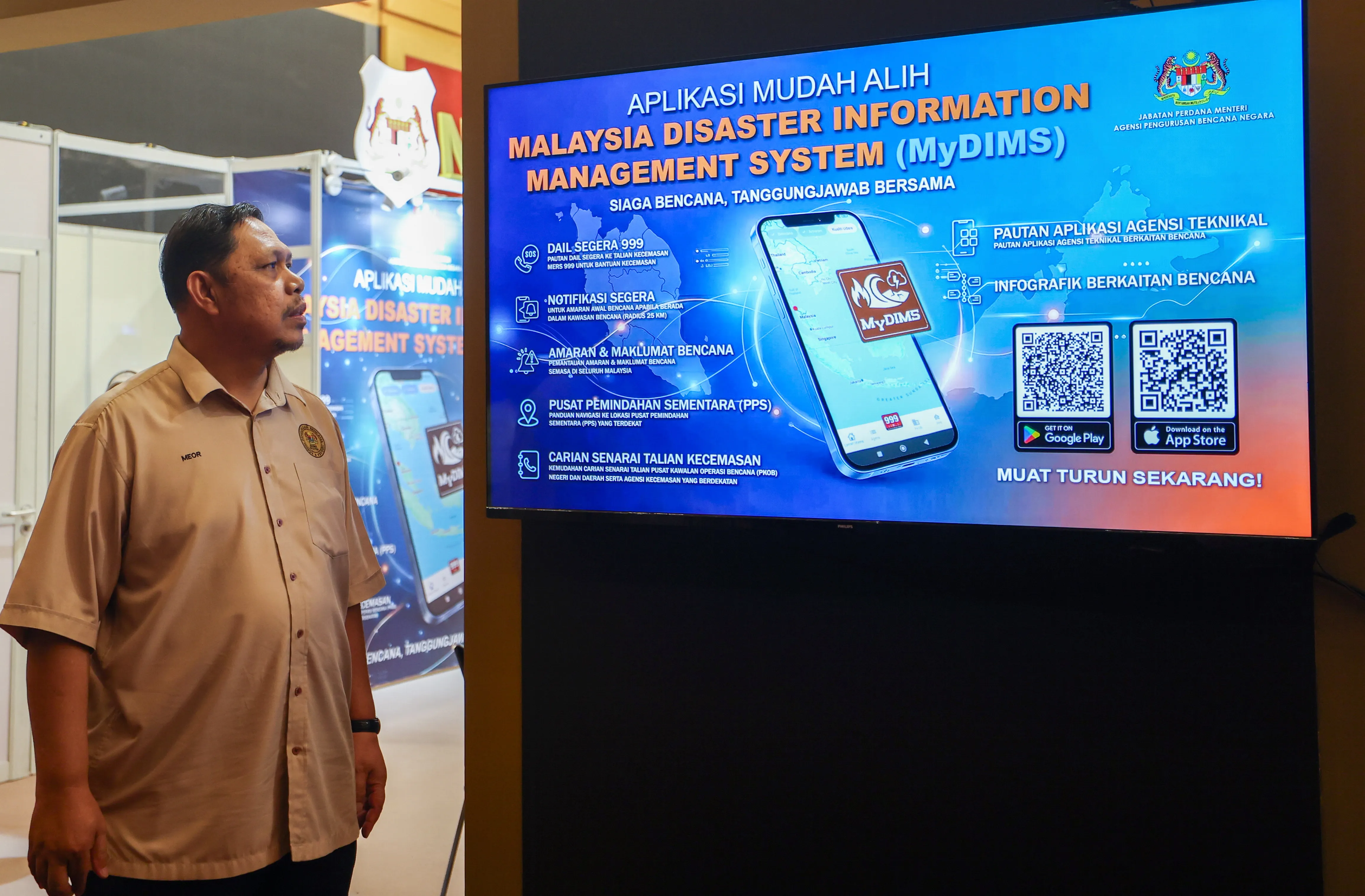

SHAH ALAM, April 25 — Malaysia is integrating artificial intelligence (AI) into its disaster management framework to slash response times and improve life-saving efforts, the National Disaster Management Agency (NADMA) announced at Resilient Asia 2026 Expo and Forum in Kuala Lumpur yesterday.
NADMA deputy director-general Datuk Abdul Gapar Abu Bakar said predictive AI now allows for real-time analysis of monsoon and rainfall data.
“We use these techniques for early warning, such as forecasting high rainfall during both the dry and monsoon seasons,
“This is what we call ‘predictive AI’, which helps us anticipate weather conditions,” he said, as quoted by The Star.
Gapar added that the data is sent to NADMA, where it is combined and analysed with input from other organisations to improve decision-making and response planning.
This shift eliminates previous delays where agencies spent days manually coordinating data. Now, predictive AI analyses data in real-time, instantly categorising warning levels from routine incidents to severe threats.
Looking forward, Gapar outlined plans to combine drone technology with predictive AI to locate trapped victims and to precisely determine where to deploy rescue assets and teams.
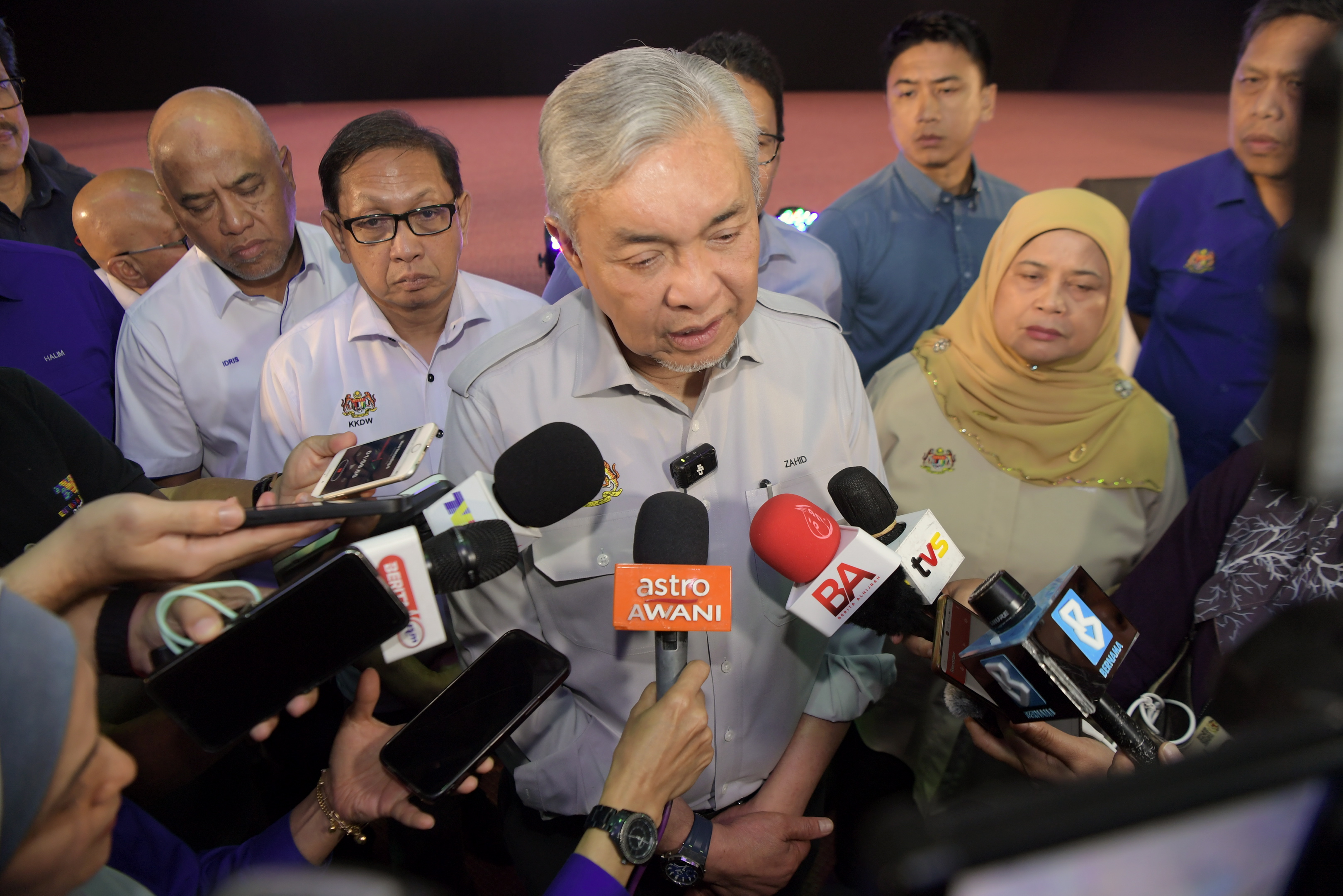
Meanwhile, Deputy Prime Minister Datuk Seri Ahmad Zahid Hamidi said the expo theme — “AI for Future-Proofing Disaster Management Towards Stronger Communities” — is fitting as efficiency gains with AI-driven resource allocations could reduce response times by 30 to 40 per cent.
“In disaster response, every second counts, and quicker response saves lives.
“Our focus must therefore shift from tools and technology to developing systems that are faster, more coordinated, and more responsive on the ground,” he said, as quoted by The Star.
Zahid added that the global leadership has helped Malaysia emerge as a training hub for international rescue teams, as it hosts delegates from Russia, Qatar, and ASEAN nations at the event.
Resilient Asia 2026 Expo and Forum gathered international experts, technical agencies, response units, technology leaders, and industry stakeholders from all over Asia to discuss technology-driven transformations in disaster management.