GENEVA, April 24 — An El Nino event is expected to develop from mid-2026, impacting global temperature and rainfall patterns, according to the World Meteorological Organisation (WMO).
Xinhua reported that based on the latest monthly Global Seasonal Climate Update, the UN body said this signals a clear shift in the equatorial Pacific: sea-surface temperatures are rising rapidly, pointing to a likely return of El Niño conditions as early as May-July 2026.
Forecasts indicate a "near-global dominance of above-normal land surface temperatures" over the next three months, along with regional variations in rainfall patterns.
"After a period of neutral conditions at the start of the year, climate models are now strongly aligned, and there is high confidence in the onset of El Nino, followed by further intensification in the months that follow," said its climate prediction chief Wilfran Moufouma Okia in a news release on Friday.
The WMO explains that El Nino is characterised by a warming of ocean surface temperatures in the central and eastern equatorial Pacific. It typically occurs every two to seven years and lasts around nine to twelve months.
El Nino events affect temperature and rainfall patterns in different regions, and typically have a warming effect on the global climate.
Thus, 2024 was the hottest year on record due to the combination of the powerful 2023-2024 El Nino and human-induced climate change driven by greenhouse gas emissions.
There is no evidence that climate change increases the frequency or intensity of El Nino events. But it can amplify associated impacts because a warmer ocean and atmosphere increase the availability of energy and moisture for extreme weather events such as heatwaves and heavy rainfall.
Each El Nino event is unique in terms of its evolution, spatial pattern, and impacts.
However, it is typically associated with increased rainfall in parts of southern South America, the southern United States, the Horn of Africa and central Asia, and with drought in Australia, Indonesia, and parts of southern Asia.
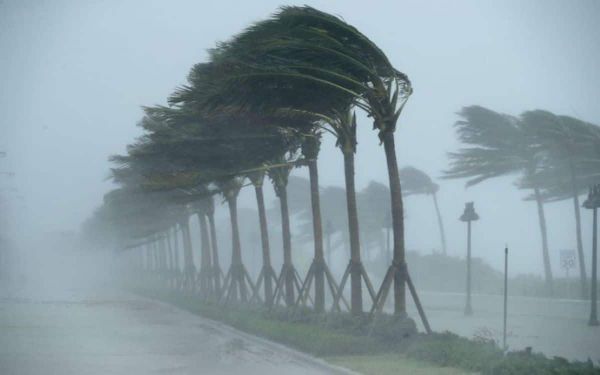
During the boreal summer, El Nino's warm waters can fuel hurricanes in the central and eastern Pacific Ocean, while hindering hurricane formation in the Atlantic Basin.