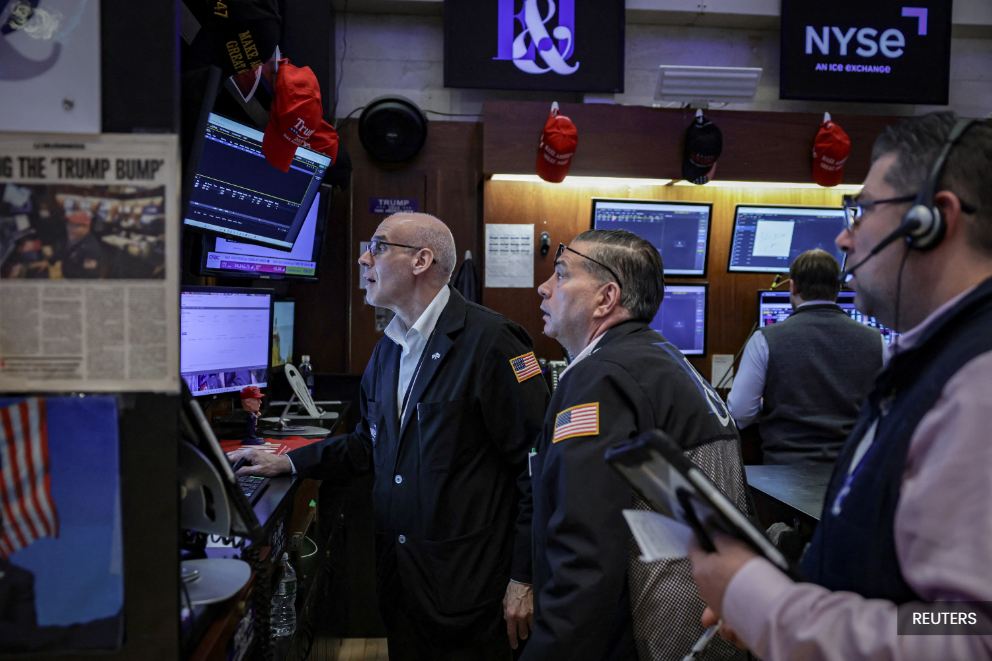
LONDON, April 24 — Global stock markets faltered and oil prices held well above US$100 a barrel on Friday, as fears of a renewed military escalation in the Middle East kept investors on edge heading into the weekend.
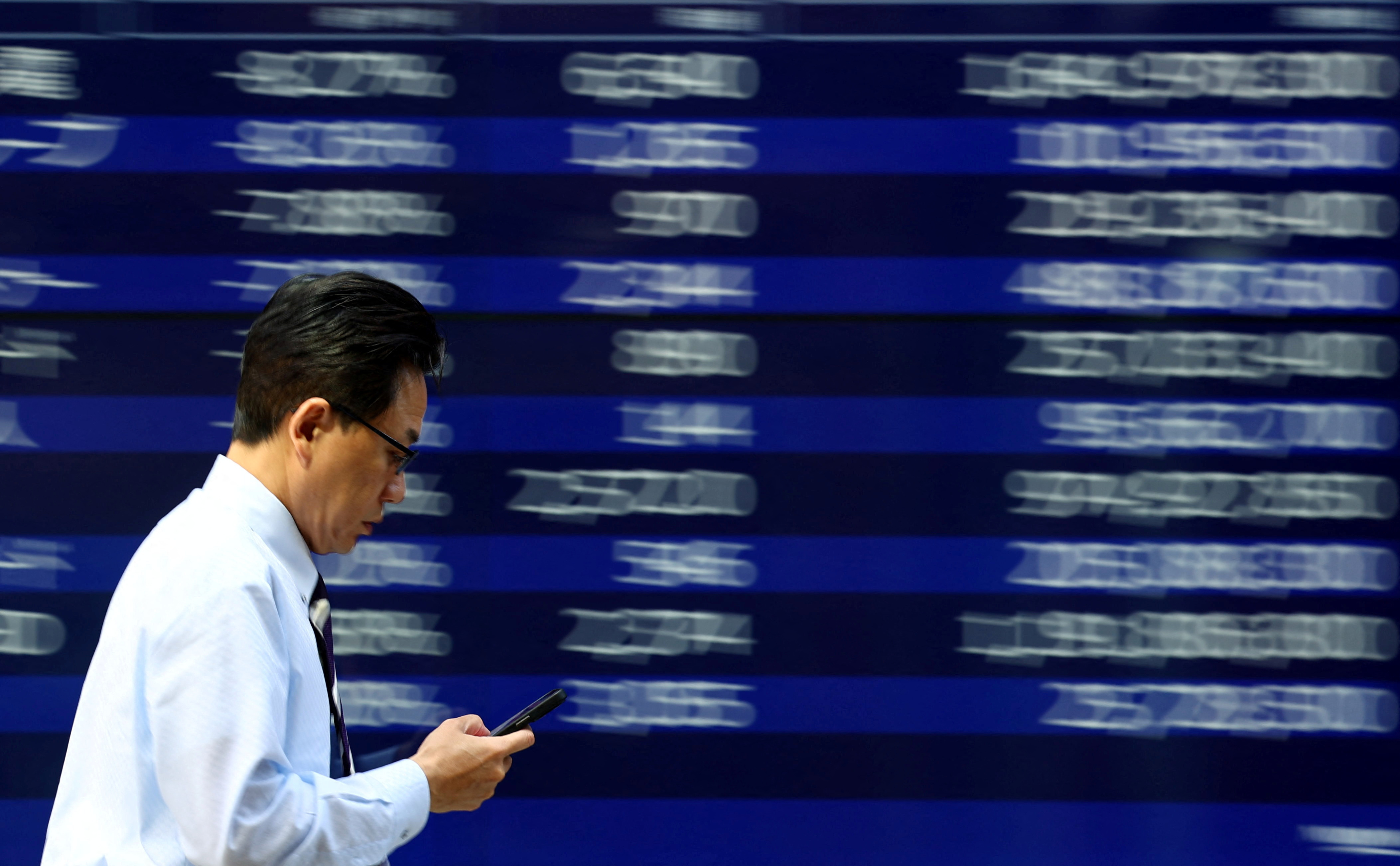
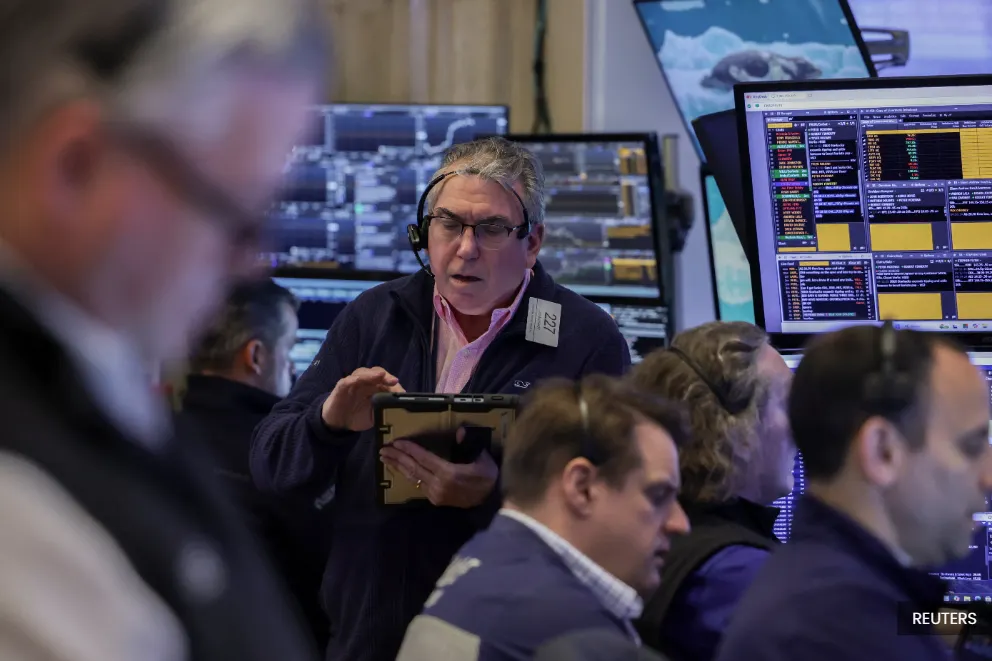
European shares fell broadly, although in Asia, Japan's blue-chip Nikkei gained almost one per cent, and United States (US) stock futures were mixed.
Oil prices, trading above US$107, faced renewed upward pressure after Iran released footage of commandos boarding a cargo ship in the Strait of Hormuz and reports that Tehran's air defences had engaged "hostile targets".
Oil has jumped more than 18 per cent this week, set for its biggest weekly rise since the first week of war in March; a sign that hopes for a swift end to the conflict are fading.
"The week has ended with an escalation after a de-escalation, and that has taken the edge off sentiment," said financial planning firm Wren Sterling's chief market strategist Rory McPherson.
While Iran has flaunted its tighter grip over the key Strait of Hormuz, US President Donald Trump said he had ordered the Navy to "shoot and kill" Iranian boats laying mines in the waterway, and step up demining activity.
His comments came just days after he said he would indefinitely extend what had been a two-week ceasefire with Iran to allow for further peace talks.
MSCI's world stock index was a touch lower on the day, but not too far from last week's record highs.
"We are aware that markets had a strong run from the lows of March, and we would focus on the fundamentals, which look strong.
"You have markets that are sensitive to oil, such as Europe and Japan, and you have sectors such as semiconductors in the United States that are up strongly," said McPherson.
The S&P 500 tech index has rallied 16 per cent so far in April and is set for its best month since 2002.
Morgan Stanley Investment Management's Portfolio Solutions Group chief investment officer Jim Caron said that investors could be underestimating upside potential in stock markets, focusing on downside risks amid the uncertainty generated by the war in Iran.
"What I think people do not talk about enough are the positive aspects of the market, and there is an upside-down tail risk as well. Earnings have been strong," he said.
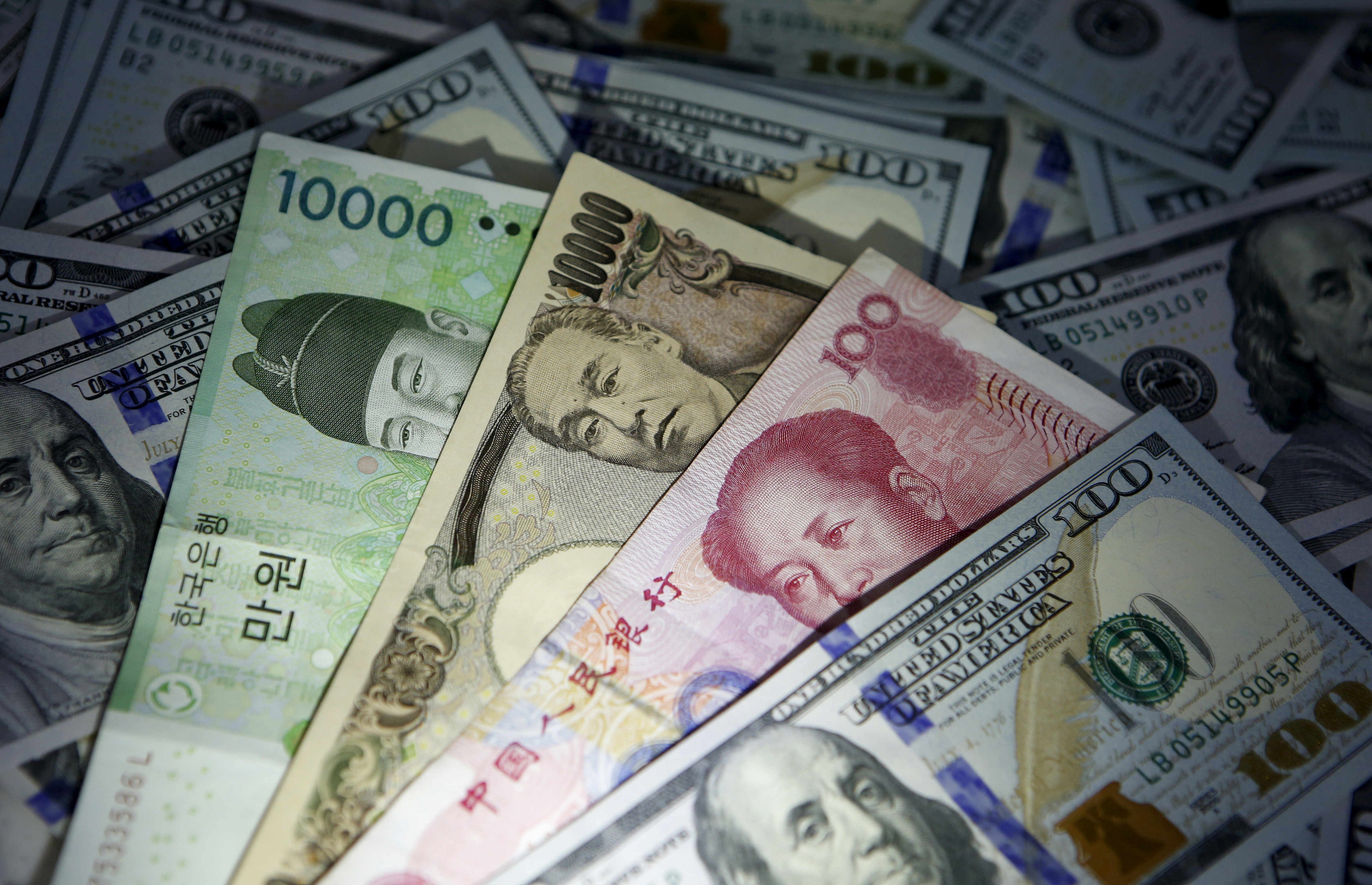
Yen on the cusp of 160
In currency markets, the dollar was on track for its first weekly gain in three on dampened hopes for an immediate easing of Middle East tension.
That left Japan's yen teetering near 160 to the dollar, and currency traders were uneasy about the prospect of Japanese authorities intervening to bolster the currency.
Finance Minister Satsuki Katayama reiterated a verbal warning on intervention, saying authorities could take "decisive" action against speculative moves in the foreign exchange market, a day after saying Japan had a "free hand" to intervene and that past interventions had been effective.
The euro firmed a touch to around US$1.17, while sterling gained almost 0.2 per cent to US$1.3492.
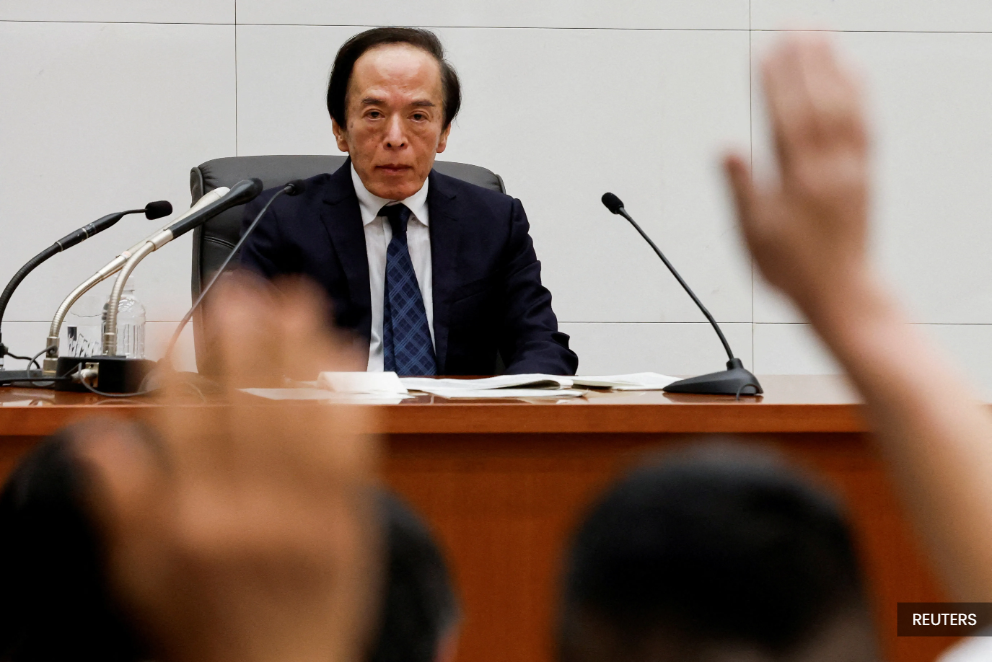
Major central banks, including the Bank of Japan, the US Federal Reserve (US Fed), the European Central Bank (ECB), and the Bank of England, meet next week, with investors awaiting policymakers' comments on the war's impact on inflation and the economy.
"I would be very surprised if the ECB did anything next week. The US Fed will not do anything next week, and the Bank of England likewise, but I am always careful what I say about the Bank of England because they can surprise," said London-based senior fixed income portfolio manager Jamie Niven.
Elsewhere, spot gold was down just 0.1 per cent to US$4,688 an ounce.