

NILAI, April 24 — The Malaysian Anti-Corruption Commission (MACC) is tracing the flow of funds related to the embezzlement of RM230 million by a non-governmental organisation (NGO).
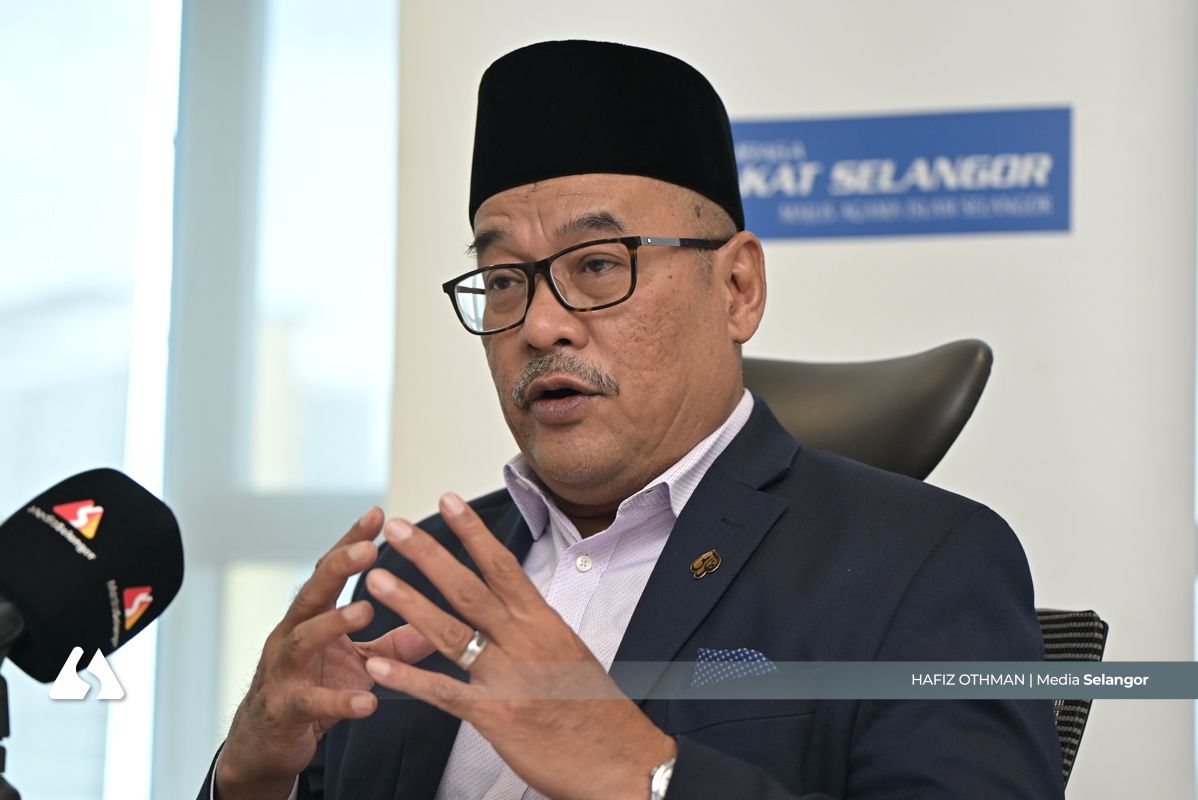
Its Chief Commissioner Tan Sri Azam Baki said the commission is obtaining detailed financial records from several banking institutions, aiming to secure them within a week.
“We are gathering more information and statements, including awaiting confirmation from banks on the volume of funds transferred into personal accounts. While we want the data as soon as possible, banks usually take at least a week to process such requests.
“This case does not just involve 2025, if it did, the (information) might be faster … however, we have requested bank (statements) from 2018 to the present, so it takes some time, but I believe the banks will provide the necessary documents soon,” he said.
Azam was speaking to the media this after witnessing the signing of a Memorandum of Agreement between the MACC and the Enforcement, Leadership, and Management University (ELMU) today. The MACC was represented by acting commissioner Datuk Mohd Hafaz Nazar, while ELMU was represented by its chief financial officer Datin Noraini Aripin.
He added that investigations found clear leads that the funds were misused for personal gain, including the purchase of assets.
The MACC is also investigating Pertubuhan IKRAM Malaysia and has not ruled out the possibility of summoning additional individuals to assist in the investigation, including family members who may have benefited from the funds.
“Any party identified as a recipient of the funds will be called for questioning. Once we receive bank records showing other recipients, they will be summoned to provide an explanation,” Azam said.
Yesterday, the MACC seized immovable assets estimated at RM18.36 million. The assets include 14 properties: seven residential houses worth RM15.53 million, including a bungalow valued at RM10 million; three office spaces worth RM1.53 million; and four plots of land worth RM1.3 million, all in Kundang, Marang, and Temasya Glenmarie.
He previously confirmed that the RM230 million embezzlement case did not involve zakat funds but public donations.
Meanwhile, Azam said that Malaysia needs a new mechanism or law to monitor and supervise funds entering NGOs to prevent misuse.
“Currently, no specific law monitors funds given to NGOs through various platforms, including those that exploit religious sentiments. The public donates in good faith, but the funds are being misappropriated,” he said, noting that the commission is collaborating with relevant authorities on the matter.